Fifteen Discourses
1928
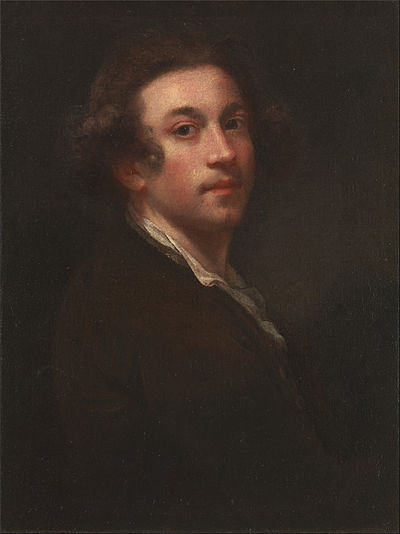
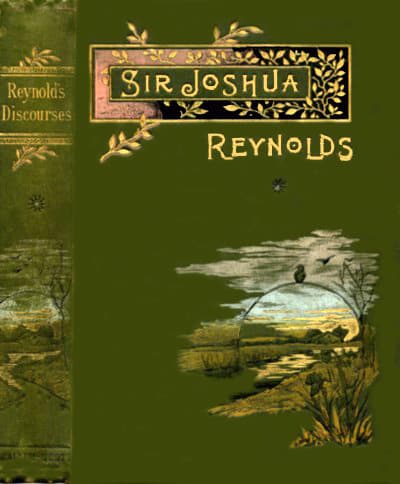
These fifteen discourses represent something far more than academic lectures. Delivered to the Royal Academy between 1769 and 1790, they constitute the philosophical manifesto of the first great institution dedicated to formal art education in England. Sir Joshua Reynolds, the era's most celebrated portraitist and the Academy's first president, crafted these addresses to articulate a vision of art that would shape Western artistic practice for over a century. Reynolds argues that true greatness in art emerges from the disciplined study of idealized nature, the grand conceptions of the Italian masters rather than mere technical virtuosity. He positions himself in dialogue and sometimes opposition with the Venetian colorists, whose work he deeply admires but whose example he warns students against emulating too soon. The central thesis is uncompromising: mastery of form and beauty must precede any claim to originality. Only after absorbing the rules can an artist legitimately break them. These discourses remain essential reading for anyone seeking to understand the intellectual foundations of Western art education, the aesthetic debates that consumed 18th-century Britain, and the enduring tension between tradition and innovation that still defines artistic practice today.
Editions
X-Ray
“Simplicity is an exact medium between too little and too much””
— Joshua, Sir Reynolds
Link to this book
Add a free, dofollow link to Lex on your blog, forum, syllabus, or reading list.

<a href="https://lex-books.com/book/fifteen-discourses-2f11aa88-916e-46f5-adc2-463d4c6553d3"><img src="https://lex-books.com/badges/read-on-lex.svg" alt="Read Fifteen Discourses by Joshua, Sir Reynolds free on Lex" width="160" height="40"></a>[](https://lex-books.com/book/fifteen-discourses-2f11aa88-916e-46f5-adc2-463d4c6553d3)[url=https://lex-books.com/book/fifteen-discourses-2f11aa88-916e-46f5-adc2-463d4c6553d3][img]https://lex-books.com/badges/read-on-lex.svg[/img][/url]Read Fifteen Discourses by Joshua, Sir Reynolds free on Lex: https://lex-books.com/book/fifteen-discourses-2f11aa88-916e-46f5-adc2-463d4c6553d3Cite this book
Reading this edition for a paper or guide? Copy a citation.
Joshua, Sir Reynolds. Fifteen Discourses. Lex, lex-books.com/book/fifteen-discourses-2f11aa88-916e-46f5-adc2-463d4c6553d3.Joshua, S. R. (1928). Fifteen Discourses. Lex. https://lex-books.com/book/fifteen-discourses-2f11aa88-916e-46f5-adc2-463d4c6553d3Joshua, Sir Reynolds. Fifteen Discourses. Lex. https://lex-books.com/book/fifteen-discourses-2f11aa88-916e-46f5-adc2-463d4c6553d3.