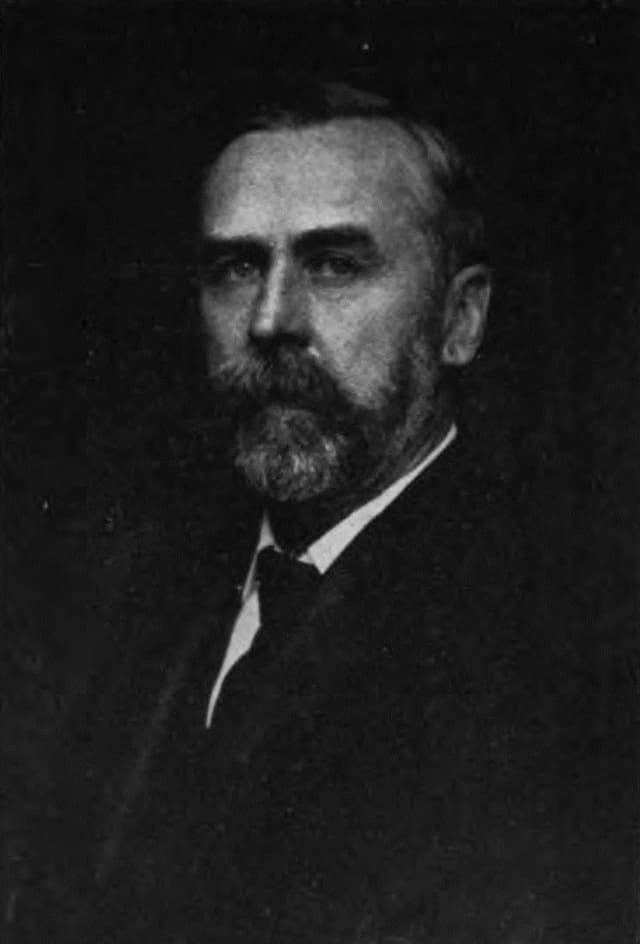
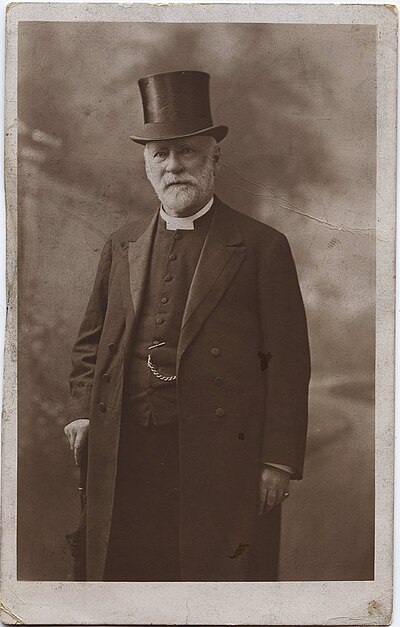
John Graham Brooks
John Graham Brooks was an influential American sociologist and political reformer known for his advocacy of labor rights and social reform. Initially a Unitarian minister, he left the ministry in 1891 to focus on labor relations, becoming a prominent voice in the early 20th-century discourse on social justice. Brooks rejected socialism, instead promoting the regulation of monopolies and progressive legislation aimed at alleviating the struggles of the working class. His lectures and writings reached a wide audience, making significant contributions to the understanding of labor issues in America. Among his notable works, 'The Social Unrest' (1903) and 'American Syndicalism' (1913) provided critical insights into the challenges faced by workers and the evolving landscape of labor movements. Brooks' ideas were instrumental in shaping the dialogue around labor rights and reform during a period of significant social change in the United States. His legacy endures through his writings and the preservation of his papers at Harvard University, reflecting his lasting impact on American sociology and political thought.
Famous Quotes
View all 1 quotes“On the food question father insisted that those who argued for a vegetable diet were in the right... He therefore promptly adopted a vegetable diet and requested mother to make the bread from graham flour instead of bolted flour. Mother put both kinds on the table... and while father was insisting on the foolishness of eating flesh, I came to her help by calling father's attention to the passage in the Bible which told the story of Elijah the prophet who, when he was pursued by enemies who wanted to take his life, was hidden by the Lord by the brook Cherith, and fed by Ravens; and surely the Lord knew what was good to eat, whether bread or meat. And on what, I asked, did the Lord feed Elijah? On vegetables or graham bread? No, he directed the ravens to feed his prophet on flesh... The Lord never would have sent flesh to Elijah by the ravens if graham bread were better.””
Books from the author







Link to this page
Add a free, dofollow link to Lex on your blog, forum, syllabus, or reading list.

<a href="https://lex-books.com/author/john-graham-brooks"><img src="https://lex-books.com/badges/read-on-lex.svg" alt="John Graham Brooks on Lex" width="160" height="40"></a>[](https://lex-books.com/author/john-graham-brooks)[url=https://lex-books.com/author/john-graham-brooks][img]https://lex-books.com/badges/read-on-lex.svg[/img][/url]John Graham Brooks on Lex: https://lex-books.com/author/john-graham-brooks