
William Henry Holmes
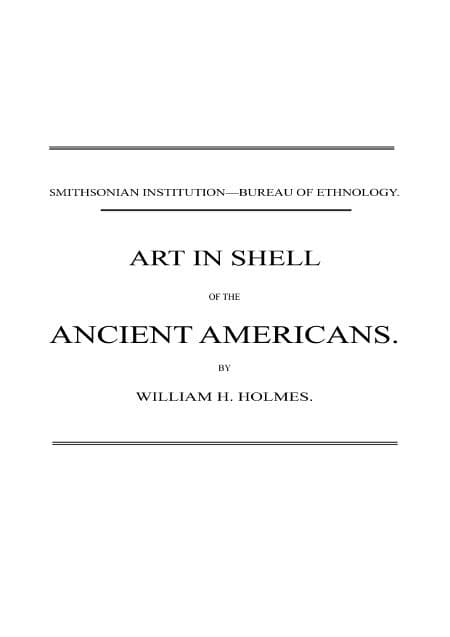
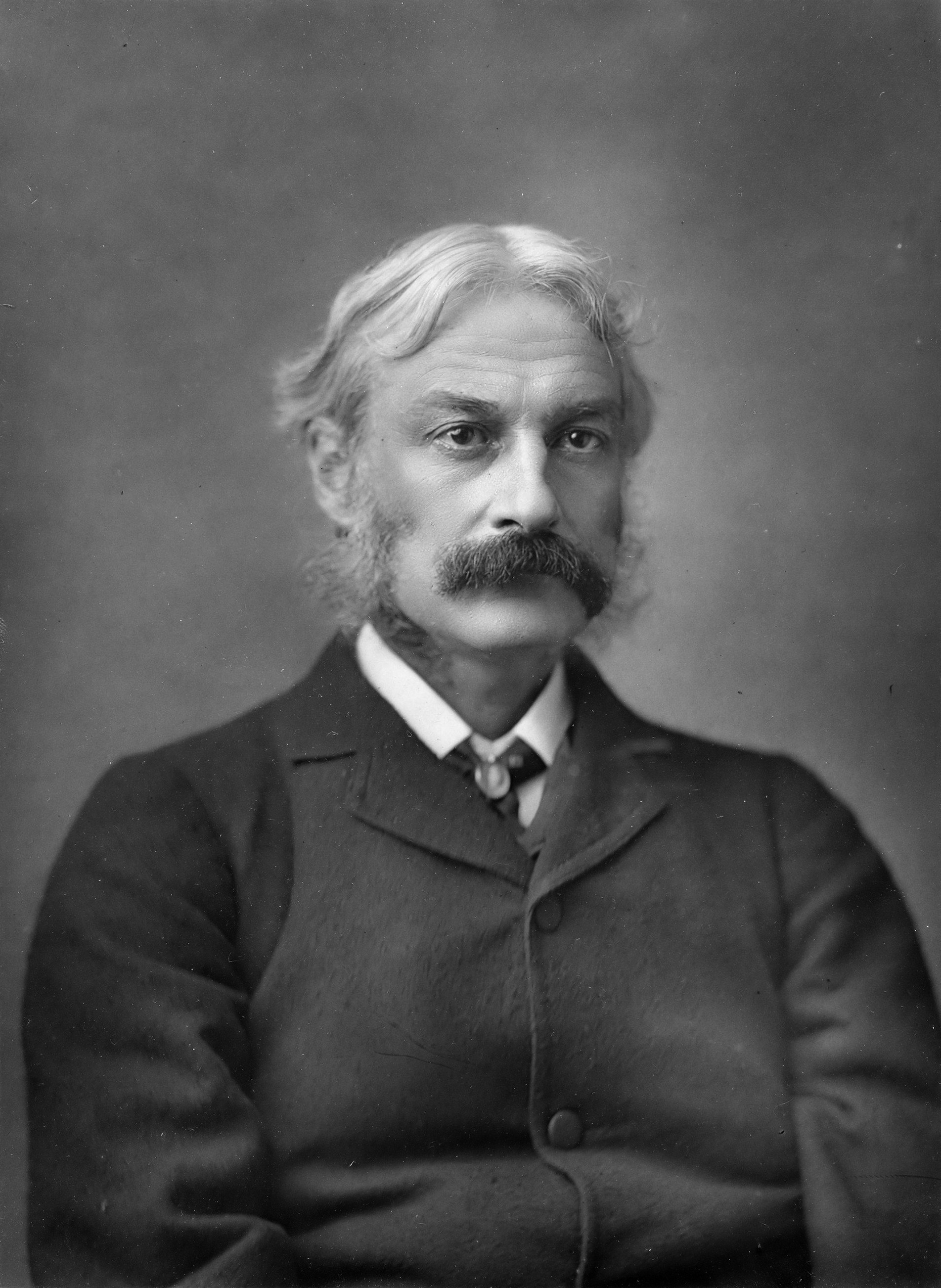
William Henry Holmes was a multifaceted American explorer and scientist whose contributions spanned anthropology, archaeology, and geology. He gained prominence for his work with the United States Geological Survey and the Smithsonian Institution, where he played a crucial role in the study of Native American cultures and the development of archaeological methods. Holmes was particularly known for his artistic skills, serving as a scientific illustrator and creating detailed maps that enhanced the understanding of the American landscape and its historical significance. Among his notable works, Holmes's studies of prehistoric pottery and his investigations into the ancient cultures of the American Southwest stand out. His approach to archaeology emphasized the importance of context and stratigraphy, laying the groundwork for modern archaeological practices. Holmes's legacy is marked not only by his extensive fieldwork but also by his influence on the fields of anthropology and geology, as he helped to establish a more scientific approach to the study of human history and the natural world. His diverse talents and dedication to exploration left an indelible mark on American science and culture.
Books from the author









Link to this page
Add a free, dofollow link to Lex on your blog, forum, syllabus, or reading list.

<a href="https://lex-books.com/author/william-henry-holmes"><img src="https://lex-books.com/badges/read-on-lex.svg" alt="William Henry Holmes on Lex" width="160" height="40"></a>[](https://lex-books.com/author/william-henry-holmes)[url=https://lex-books.com/author/william-henry-holmes][img]https://lex-books.com/badges/read-on-lex.svg[/img][/url]William Henry Holmes on Lex: https://lex-books.com/author/william-henry-holmes