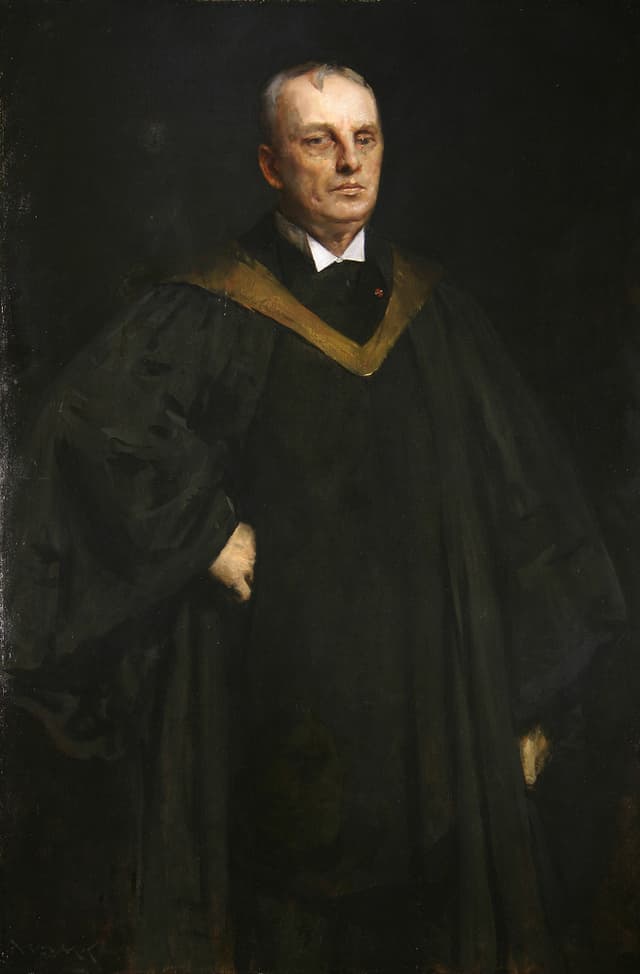
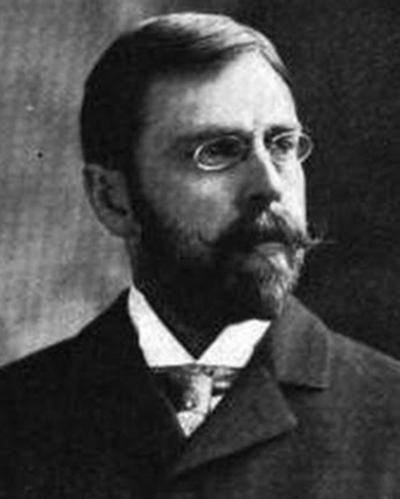
Elisha Benjamin Andrews
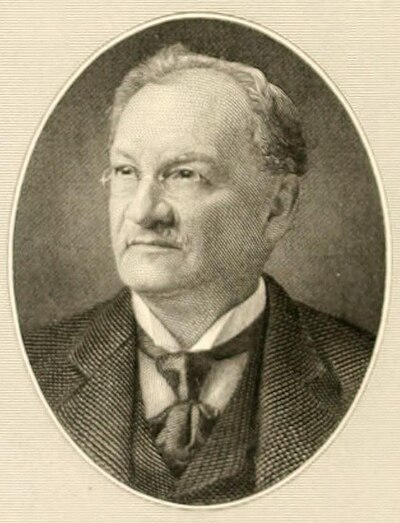
Elisha Benjamin Andrews was an influential American economist, soldier, and educator known for his contributions to the fields of economics and education reform. Born in 1844, he served as a soldier in the Union Army during the Civil War, an experience that shaped his views on social justice and economic equality. Following the war, Andrews dedicated himself to academia, becoming a prominent figure in higher education. He held various administrative positions, including the presidency of Brown University, where he advocated for progressive educational practices and the inclusion of social sciences in the curriculum. Andrews authored several significant works, including 'The Science of Society' and 'The Economics of Labor,' which explored the intersections of economics, sociology, and education. His writings emphasized the importance of understanding economic principles in relation to social issues, making him a pioneering figure in the field of social economics. Andrews's legacy lies in his commitment to education as a means of fostering social change and his role in shaping modern economic thought, particularly in the context of labor and social justice.
Famous Quotes
View all 1 quotes“[1768] The Billeting Act, which required the colonists to lodge and feed the British troops quartered among them, added fuel to the flames. In 1768 the New York legislature refused to comply, and Parliament suspended its legislative functions.”
Books from the author



Link to this page
Add a free, dofollow link to Lex on your blog, forum, syllabus, or reading list.

<a href="https://lex-books.com/author/elisha-benjamin-andrews"><img src="https://lex-books.com/badges/read-on-lex.svg" alt="Elisha Benjamin Andrews on Lex" width="160" height="40"></a>[](https://lex-books.com/author/elisha-benjamin-andrews)[url=https://lex-books.com/author/elisha-benjamin-andrews][img]https://lex-books.com/badges/read-on-lex.svg[/img][/url]Elisha Benjamin Andrews on Lex: https://lex-books.com/author/elisha-benjamin-andrews