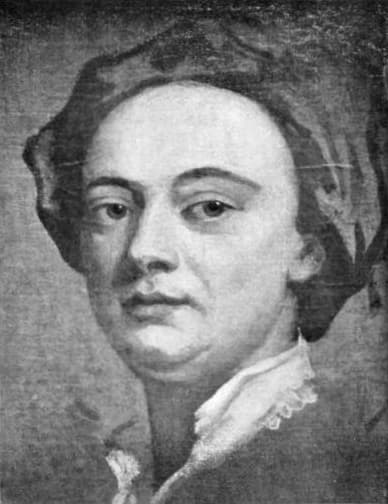
John Gay
John Gay was an influential English poet and dramatist, renowned for his sharp wit and keen social commentary. A prominent member of the Scriblerus Club, he was instrumental in the development of the ballad opera genre. His most celebrated work, The Beggar's Opera, premiered in 1728 and quickly became a cultural phenomenon. The opera's blend of popular music and satirical narrative not only entertained audiences but also critiqued the corruption and moral decay of early 18th-century London. Characters like Captain Macheath and Polly Peachum captured the public's imagination, solidifying Gay's place in theatrical history. Beyond The Beggar's Opera, Gay's contributions to literature included a variety of poems and plays that showcased his talent for blending humor with social critique. His works often reflected the complexities of human nature and the societal issues of his time, making him a significant figure in the landscape of English literature. Gay's legacy endures through his innovative approach to opera and his influence on subsequent generations of writers and composers, marking him as a pivotal figure in the evolution of musical theater.
Famous Quotes
View all 3 quotes“A man is always afraid of a woman that loves him too much”
“Love is so whimsical in both sexes that it is impossible to be lasting. But my heart is particular and contradicts my own observation.”
“My Own Epitaph Life's a jest, and all things show it. I thought so once, and now I know it.”
Books from the author


Link to this page
Add a free, dofollow link to Lex on your blog, forum, syllabus, or reading list.

<a href="https://lex-books.com/author/john-gay"><img src="https://lex-books.com/badges/read-on-lex.svg" alt="John Gay on Lex" width="160" height="40"></a>[](https://lex-books.com/author/john-gay)[url=https://lex-books.com/author/john-gay][img]https://lex-books.com/badges/read-on-lex.svg[/img][/url]John Gay on Lex: https://lex-books.com/author/john-gay