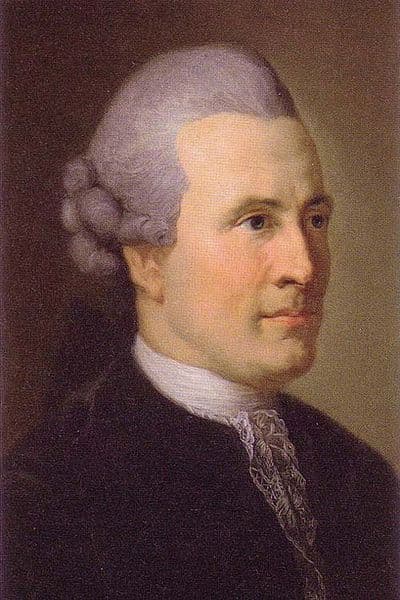
Johann Georg Zimmermann
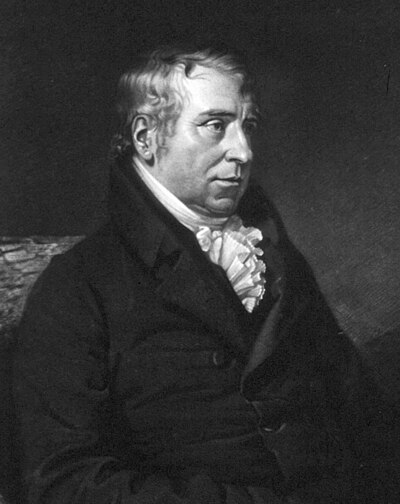
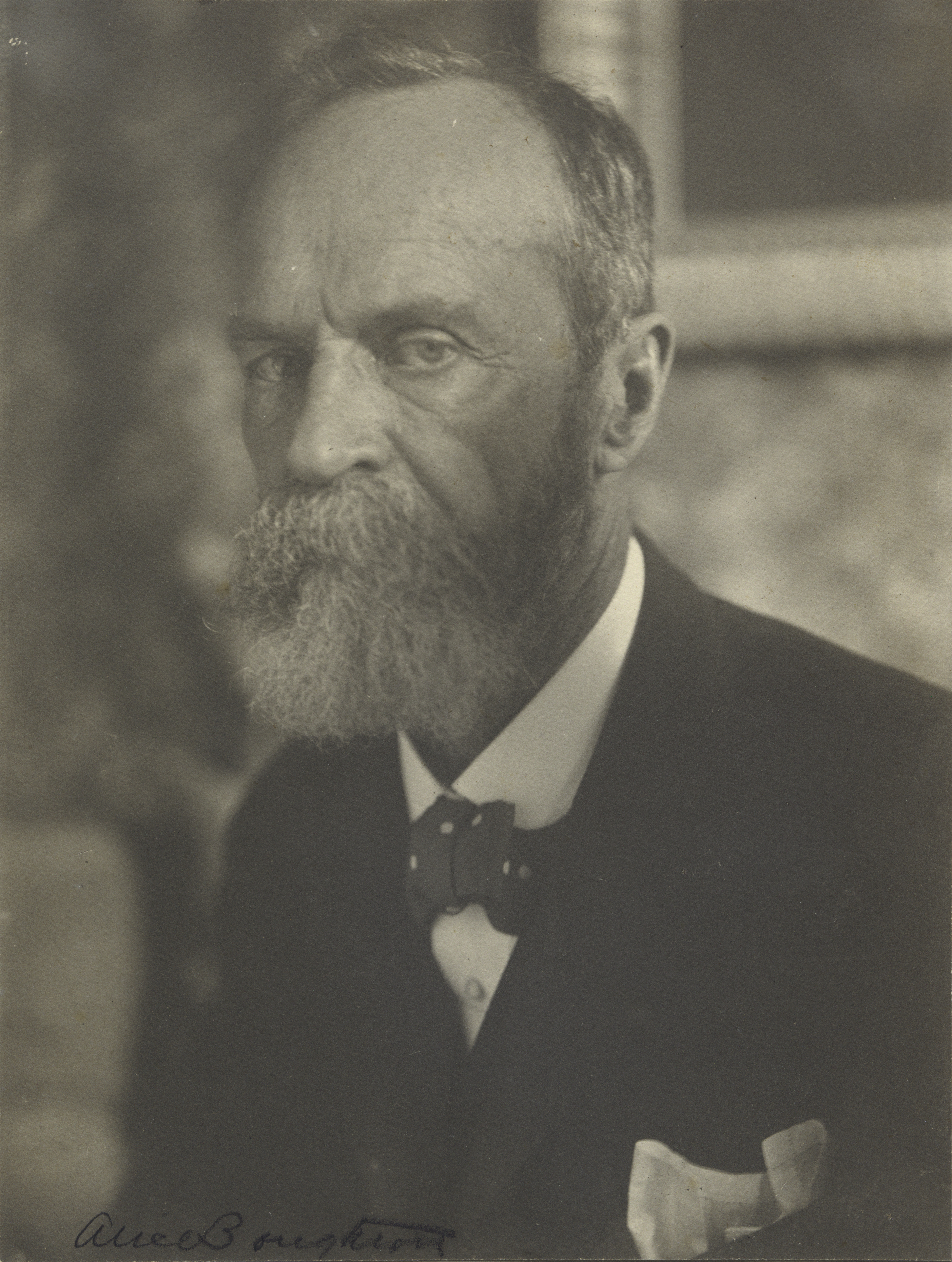
Johann Georg Zimmermann was a Swiss philosopher, naturalist, and physician known for his influential writings on the human condition and the nature of happiness. Born in Brugg, Aargau, he pursued a career in medicine, eventually becoming the private physician to notable figures such as King George III of Great Britain and Frederick the Great of Prussia. His medical background informed his philosophical inquiries, leading him to explore the interplay between health, society, and individual well-being. Zimmermann's most significant work, 'Die Einsamkeit' (Solitude), published in 1756, examined the benefits and drawbacks of solitude, arguing for its necessity in achieving personal fulfillment and mental clarity. This work, along with others like 'Über die Anfänge der Menschen' (On the Origins of Humanity), showcased his deep engagement with the philosophical questions of his time, particularly regarding human nature and social interaction. His writings contributed to the Enlightenment discourse, influencing contemporaries and later thinkers in their understanding of psychology and the importance of individual experience. Zimmermann's legacy endures as a precursor to modern discussions on mental health and the value of introspection.
Famous Quotes
View all 3 quotes“Beauty is worse than wine, it intoxicates both the holder and the beholder.”
“Be not so bigoted to any custom as to worship it at the expense of truth.”
“The more you speak of yourself, the more you are likely to lie”
Books from the author




Link to this page
Add a free, dofollow link to Lex on your blog, forum, syllabus, or reading list.

<a href="https://lex-books.com/author/johann-georg-zimmermann"><img src="https://lex-books.com/badges/read-on-lex.svg" alt="Johann Georg Zimmermann on Lex" width="160" height="40"></a>[](https://lex-books.com/author/johann-georg-zimmermann)[url=https://lex-books.com/author/johann-georg-zimmermann][img]https://lex-books.com/badges/read-on-lex.svg[/img][/url]Johann Georg Zimmermann on Lex: https://lex-books.com/author/johann-georg-zimmermann