
James Shirley
James Shirley was an English poet and playwright whose career flourished during the early 17th century. He emerged as a prominent figure in the theatrical world, writing plays from 1625 until the suppression of stage performances by the Parliament of England in 1642. Shirley's works are characterized by their lyrical quality and exploration of themes such as love, honor, and the human condition. His notable plays include 'The Cardinal,' 'The Contention of Ajax and Ulysses,' and 'The Royal Master,' which reflect the dramatic conventions of his time while also showcasing his unique voice. Although not as widely celebrated as some of his contemporaries, Shirley holds a significant place in English literature as the last major playwright of the Jacobean era. Charles Lamb acknowledged him as a key figure, noting that he represented a culmination of the moral and aesthetic values shared by his predecessors. His contributions to the stage and poetry, along with his ability to capture the spirit of his age, solidified his legacy as an important literary figure in the transition from the Renaissance to the Restoration period in England.
Famous Quotes
View all 3 quotes“The glories of our blood and state Are shadows, not substantial things; There is no armor against Fate. Death lays his icy hand on kings...”
“There is no armour against fate”
“Only the actions of the just Smell sweet and blossom in their dust”
Books from the author

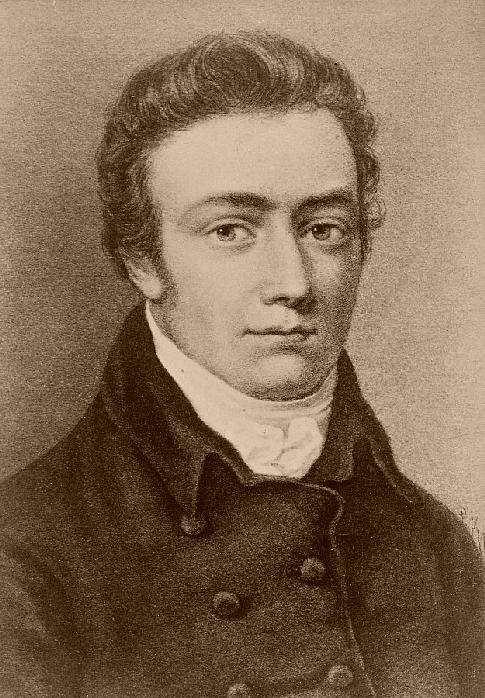
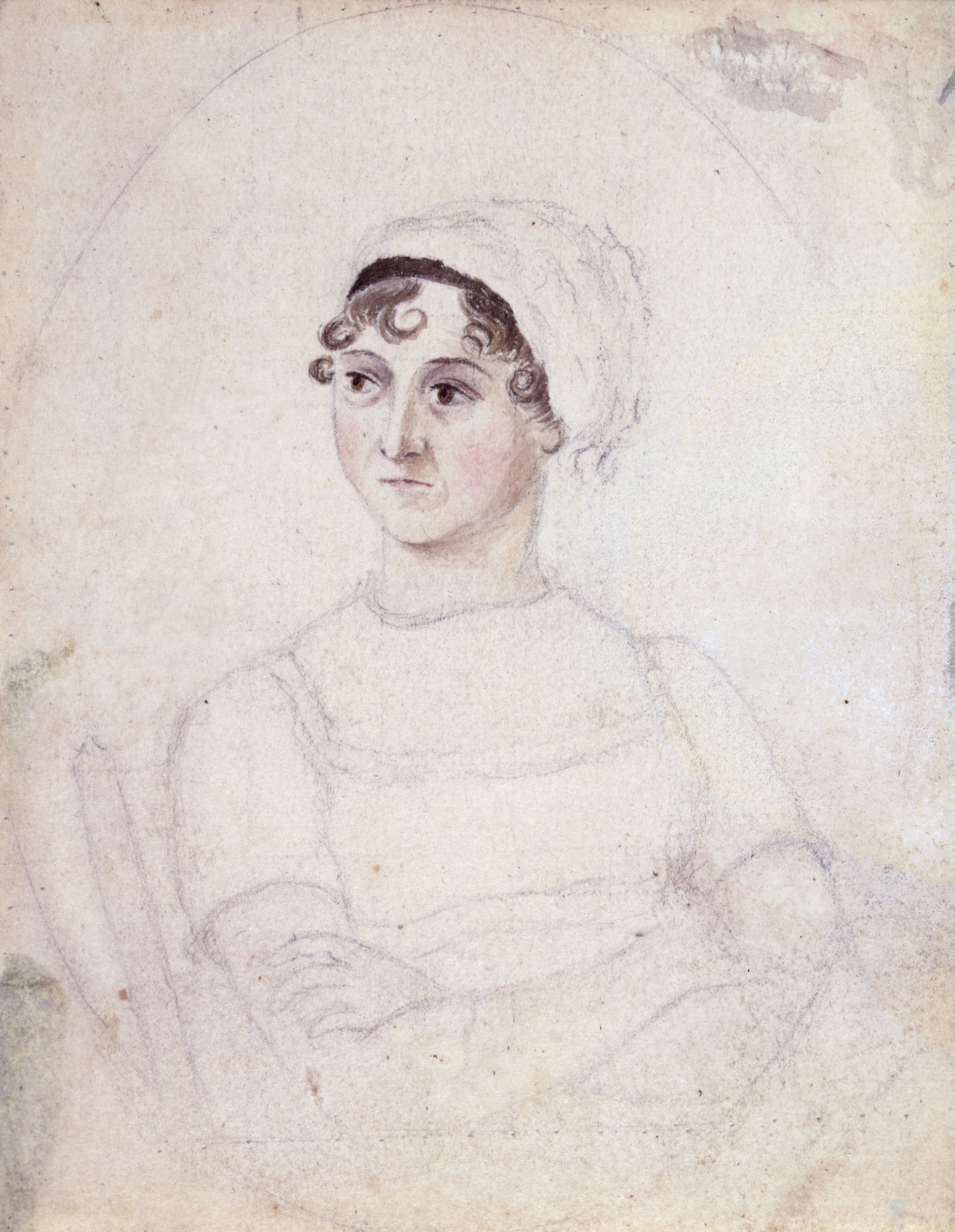
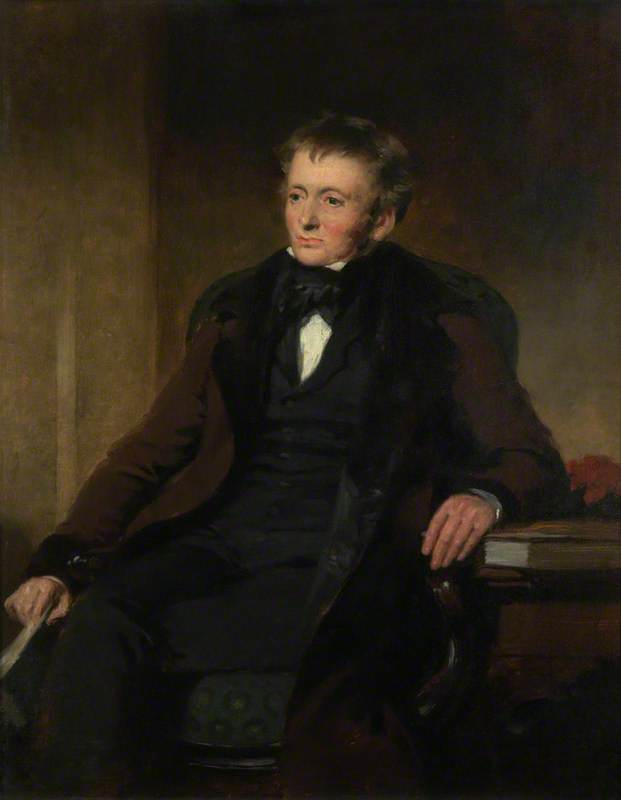
Link to this page
Add a free, dofollow link to Lex on your blog, forum, syllabus, or reading list.

<a href="https://lex-books.com/author/james-shirley"><img src="https://lex-books.com/badges/read-on-lex.svg" alt="James Shirley on Lex" width="160" height="40"></a>[](https://lex-books.com/author/james-shirley)[url=https://lex-books.com/author/james-shirley][img]https://lex-books.com/badges/read-on-lex.svg[/img][/url]James Shirley on Lex: https://lex-books.com/author/james-shirley