Lex

Browse

GenresShelvesPremiumBlog

Company

AboutJobsPartnersSell on LexAffiliates

Audio

Lex StudioVoicesFirst chapter freeAudiobook pricingAudiobook samplesAudiobook guidesAudio blog

Resources

DocsInvite FriendsFAQ

Legal

Terms of ServicePrivacy Policygeneral@lex-books.com+1 951-551-2243WhatsApp (international)

© 2026 LexBooks, Inc. All rights reserved.

James Jennings

James Jennings was an influential figure in early 19th-century literature, known for his contributions to the development of the novel in England. His works often explored themes of social reform and the human condition, reflecting the changing dynamics of his time. Jennings gained recognition for his novel 'The History of Sir Charles Grandison,' which was notable for its intricate character development and moral complexity, setting a precedent for future writers in the genre. In addition to his narrative prowess, Jennings was also a prominent critic of societal norms, using his writing to advocate for social justice and reform. His literary significance lies in his ability to blend entertainment with a moral message, influencing contemporaries and later authors alike. Jennings's legacy endures as a testament to the power of literature as a vehicle for change and reflection on human values.

Wikipedia

Jennings is a surname of early medieval English origin (also the Anglicised version of the Irish surnames Mac Sheóinín o...

Written by Lex AI

Famous Quotes

View all 14 quotes

“The concept of reconciliation is not irretrievable, but I am convinced that before we theologians can interpret the depths of the divine action of reconciliation we must first articulate the profound deformities of Christian intimacy and identity in modernity. Until we do, all theological discussions of reconciliation will be exactly what they tend to be: (a) ideological tools for facilitating negotiations of power; or (b) socially exhausted idealist claims masquerading as serious theological accounts. In truth, it is not at all clear that most Christians are ready to imagine reconciliation.””

The Christian Imagination: Theology and the Origins of Race

“And sometimes, when the bell rang for call-over, he would go to the window and look across the road and over the School fence and see, in the distance, the thin line of boys filing past the bench. New times, new names . . . but the old ones still remained . . . Jefferson, Jennings, Jolyon, Jupp, Kingsley Primus, Kingsley Secundus, Kingsley Tertius, Kingston . . . where are you all, where have you all gone to?””

Good-Bye, Mr. Chips

“the 27 candidates for whom I could readily distinguish the racial policies of their hometowns, one-third were identified with sundown towns. Starting at the beginning of the century, these include Republican William McKinley, who grew up in Niles, Ohio, where “a sign near the Erie Depot,” according to historian William Jenkins, “warned ‘niggers’ that they had better not ‘let the sun set on their heads.’” McKinley defeated Democrat William Jennings Bryan, who grew up in Salem, Illinois, which for decades “had signs on each main road going into town, telling the blacks, that they were not allowed in town after sundown,””

Sundown Towns: A Hidden Dimension of American Racism

Books from the author

The Dialectof the Westof England;Particula...

James Jennings

More authors like this

right arrow
Samuel Taylor Coleridge
1772-1834
Robert Southey
Robert Southey
1774-1843
William Wordsworth
William Wordsworth
1770-1850
Adam Oehlenschläger
Adam Oehlenschläger
1779-1850
Manuel Maria Barbosa du Bocage
1765-1805
Eliza Lee Cabot Follen
1787-1860
George Gordon Byron, Baron Byron
1788-1824
Silvio Pellico
Silvio Pellico
1789-1854
George Crabbe
George Crabbe
1754-1832
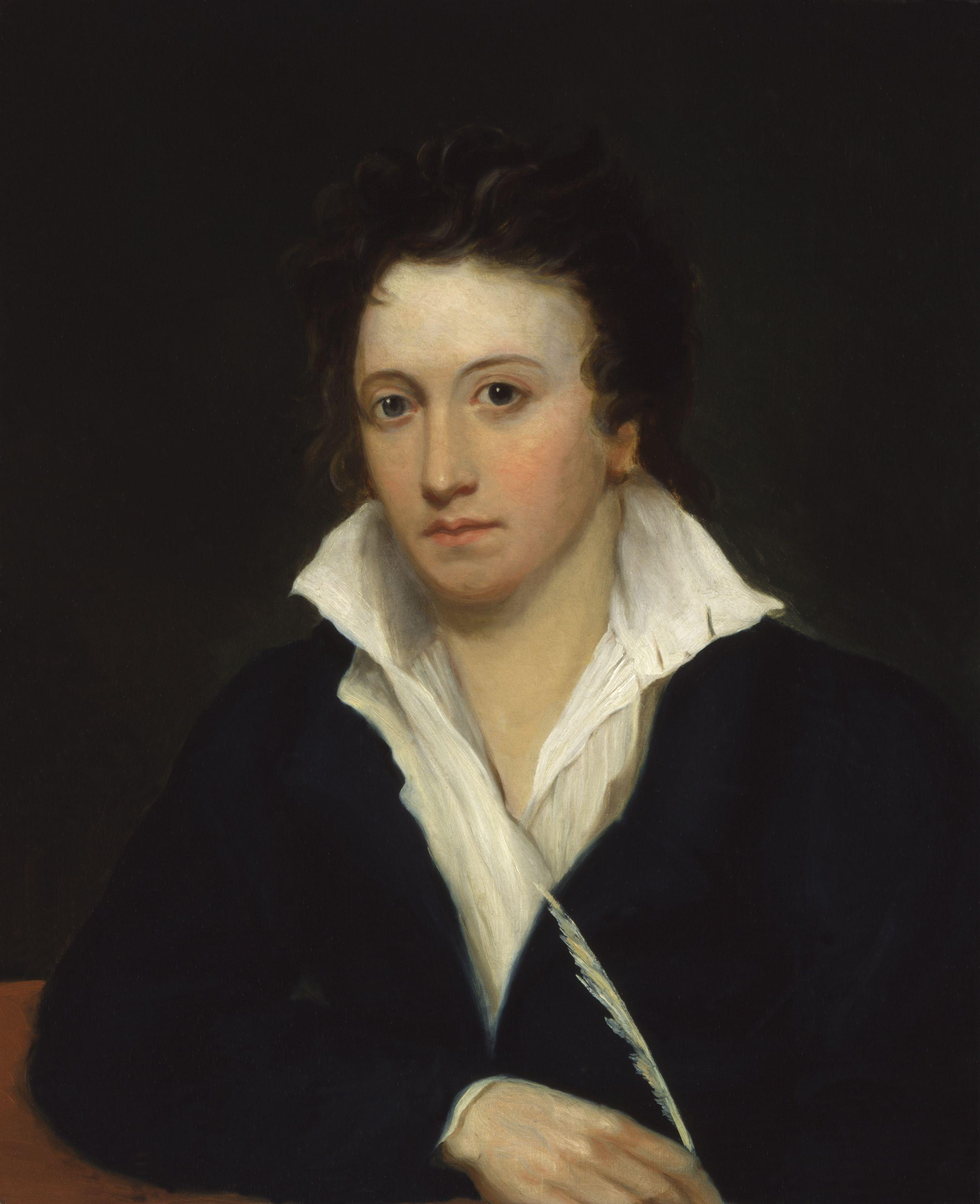
Percy Bysshe Shelley
1792-1822
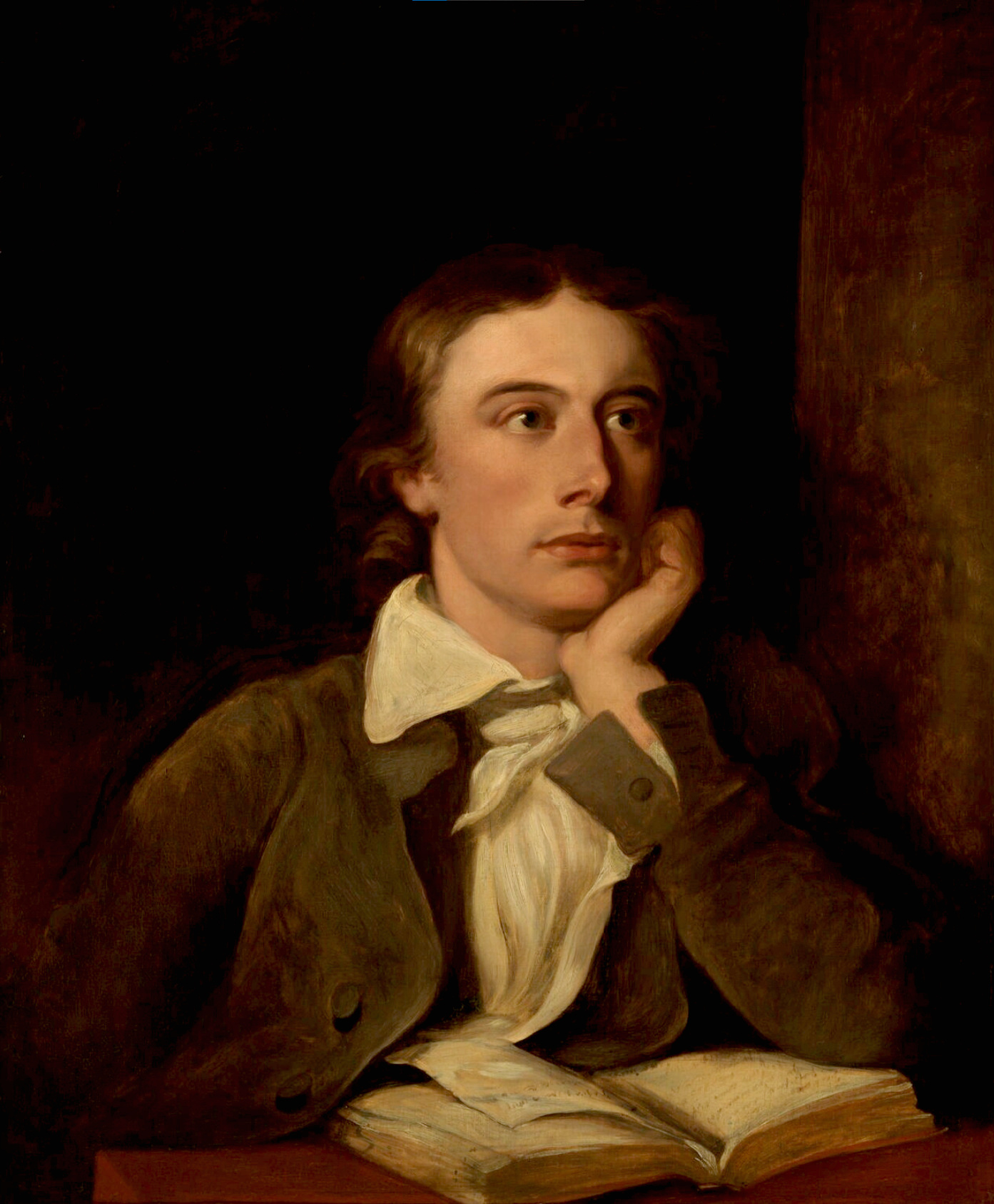
John Keats
John Keats
1795-1821
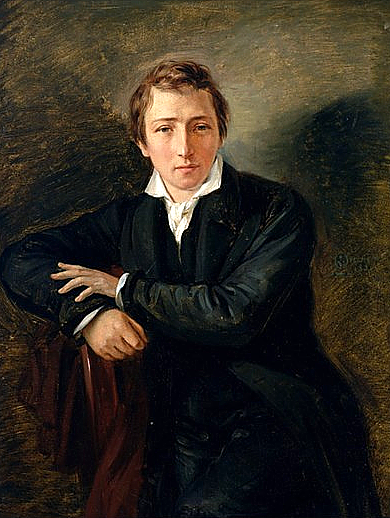
Heinrich Heine
Heinrich Heine
1797-1856
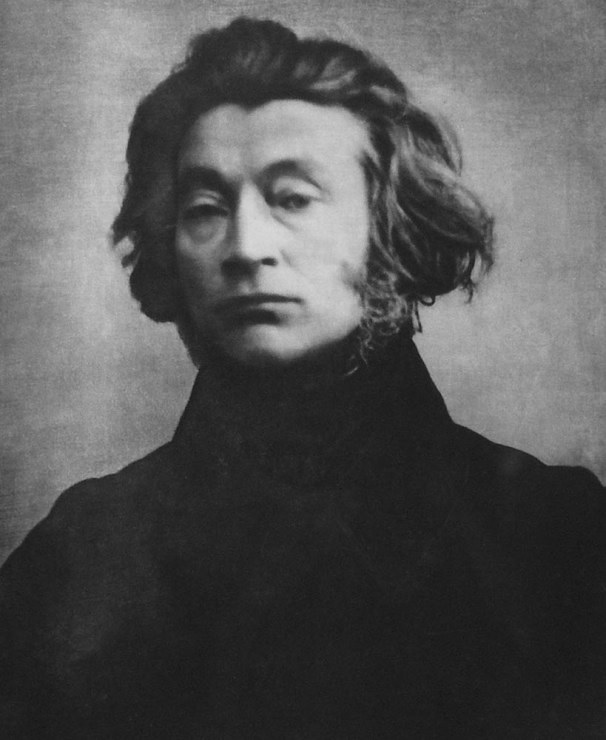
Adam Mickiewicz
Adam Mickiewicz
1798-1855
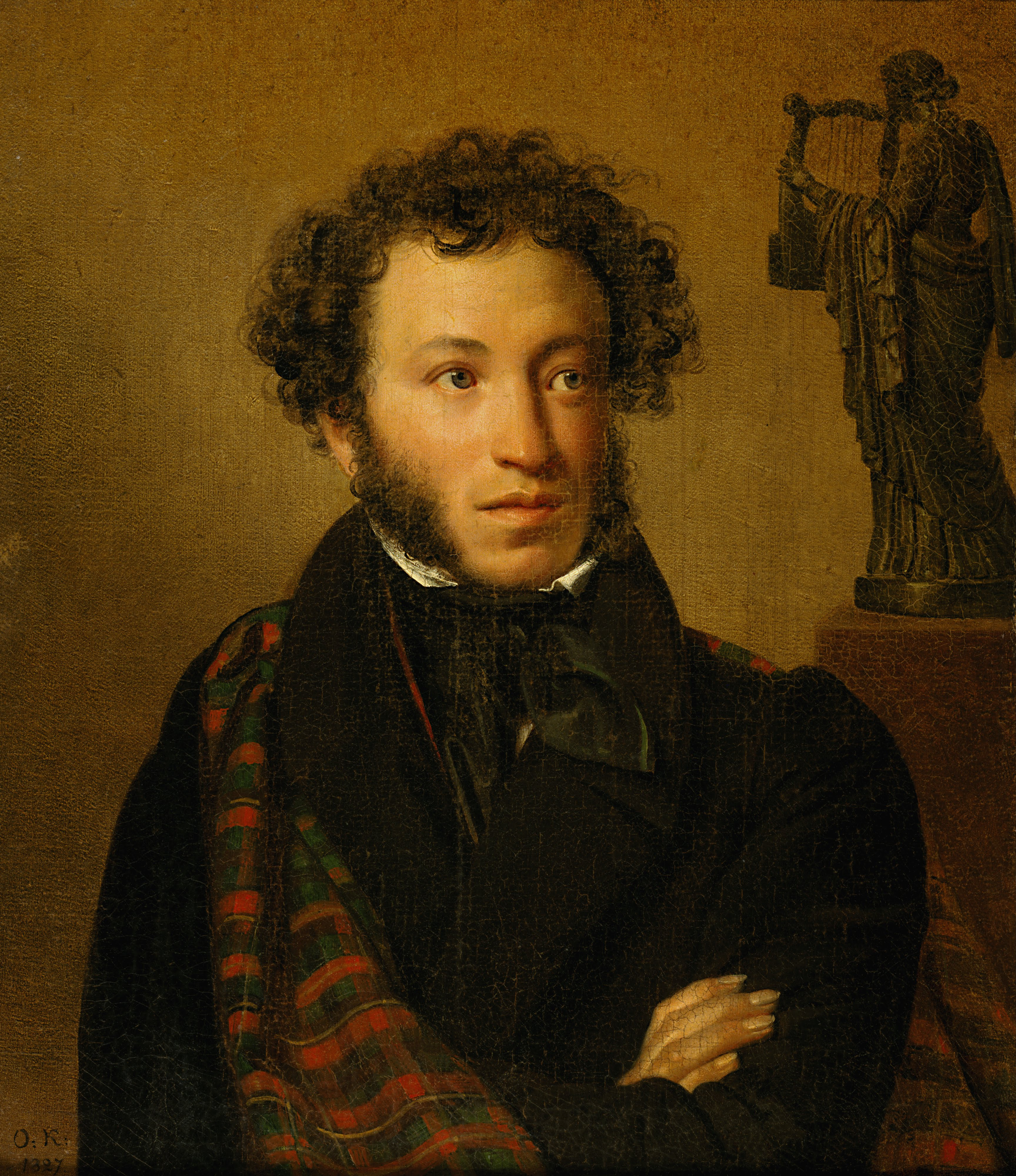
Aleksandr Sergeevich Pushkin
1799-1837
João Batista da Silva Leitão de Almeida Garrett, Visconde de Almeida Garrett
1799-1854
William Holmes McGuffey
1800-1873

Link to this page

Add a free, dofollow link to Lex on your blog, forum, syllabus, or reading list.

James Jennings on Lex
HTML
<a href="https://lex-books.com/author/james-jennings"><img src="https://lex-books.com/badges/read-on-lex.svg" alt="James Jennings on Lex" width="160" height="40"></a>
Markdown
[![James Jennings on Lex](https://lex-books.com/badges/read-on-lex.svg)](https://lex-books.com/author/james-jennings)
BBCode
[url=https://lex-books.com/author/james-jennings][img]https://lex-books.com/badges/read-on-lex.svg[/img][/url]
Plain link
James Jennings on Lex: https://lex-books.com/author/james-jennings