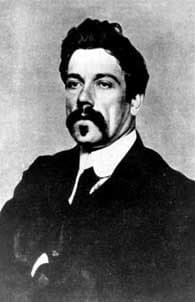
J. M. Synge
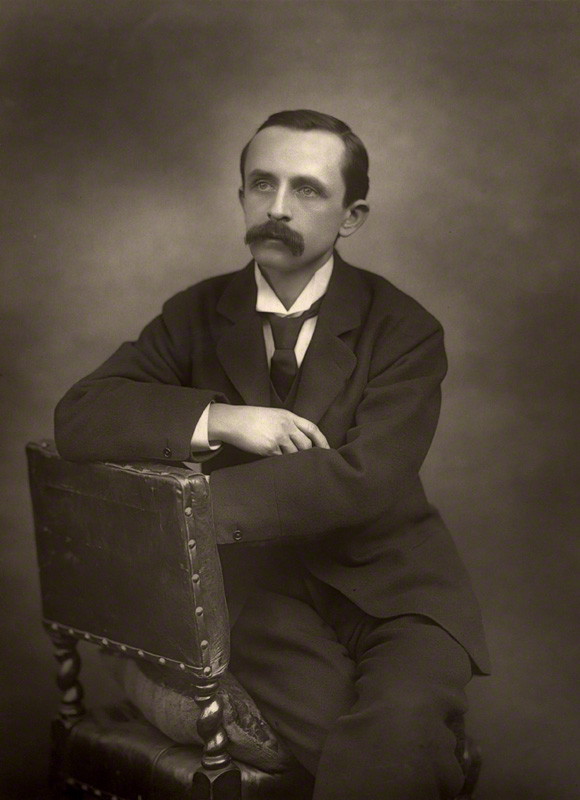
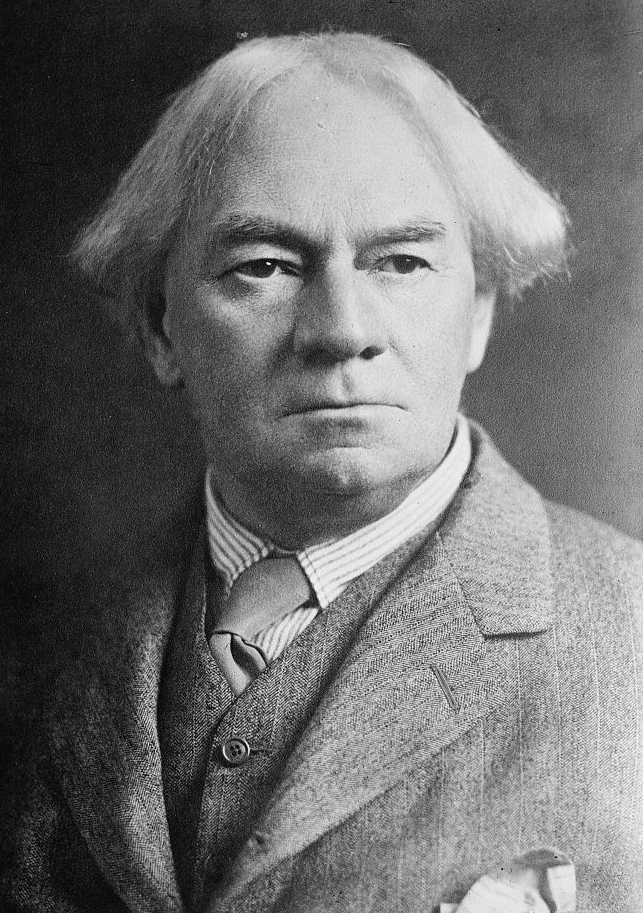
J. M. Synge was an influential Irish playwright and poet, recognized as a pivotal figure in the Irish Literary Revival of the early 20th century. Born Edmund John Millington Synge, he dedicated much of his life to capturing the essence of Irish culture and folklore, drawing inspiration from the rural life of the Aran Islands. His experiences there profoundly shaped his work, leading to the creation of some of the most significant plays in Irish literature. Notable works such as 'The Playboy of the Western World' and 'Riders to the Sea' showcased his unique ability to blend poetic language with the gritty realities of life, earning him acclaim from contemporaries like W. B. Yeats and George Bernard Shaw. Synge's contributions to drama were not only stylistically innovative but also thematically rich, often exploring complex characters and societal issues. His work challenged the conventions of the time, provoking both admiration and controversy, particularly with 'The Playboy of the Western World,' which faced backlash for its portrayal of Irish identity. Despite his relatively short life, Synge's legacy endures, as his plays continue to be performed and studied, affirming his status as one of the foremost dramatists of the Edwardian era and a cornerstone of modern Irish theatre.
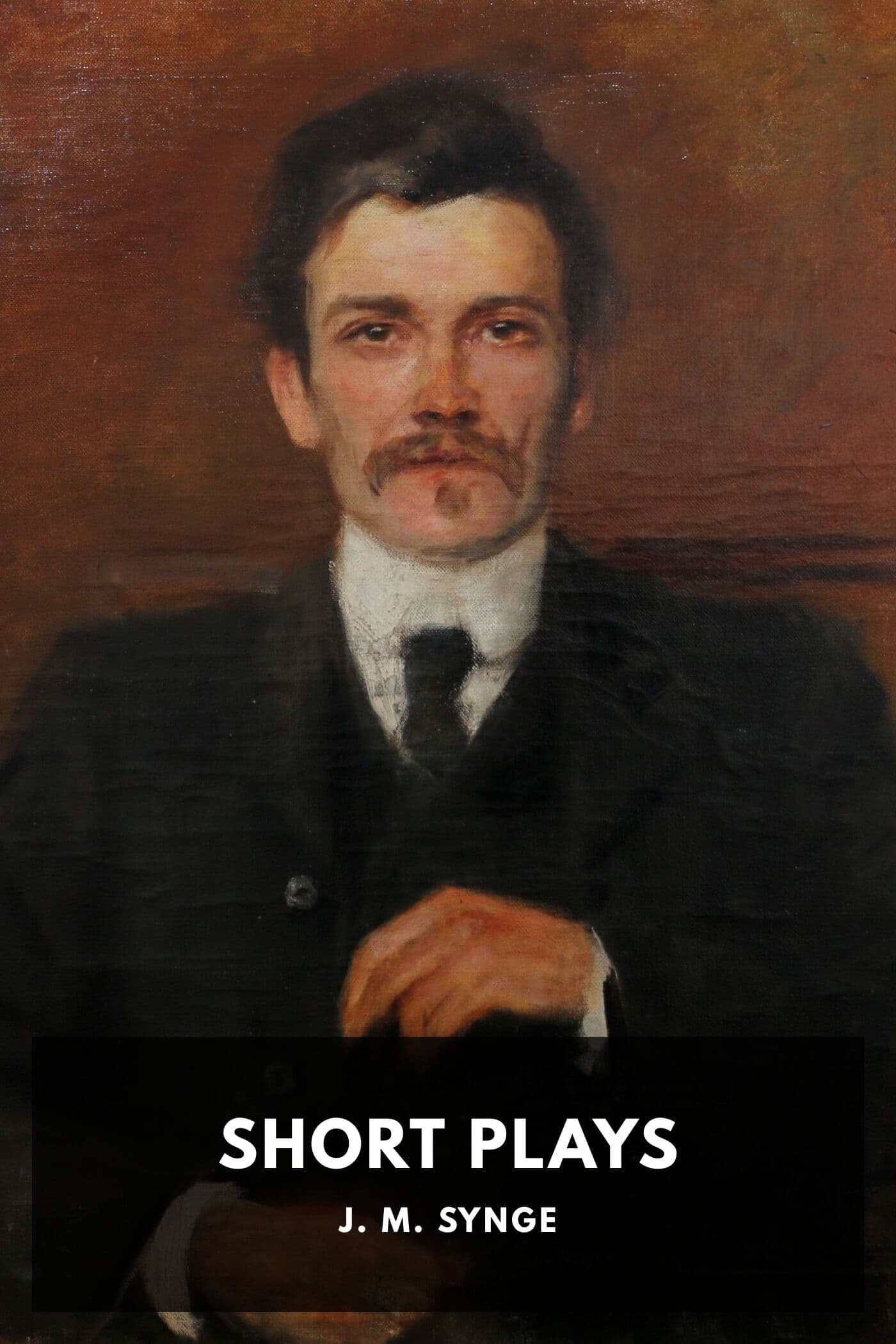
Books from the author




Link to this page
Add a free, dofollow link to Lex on your blog, forum, syllabus, or reading list.

<a href="https://lex-books.com/author/j-m-synge"><img src="https://lex-books.com/badges/read-on-lex.svg" alt="J. M. Synge on Lex" width="160" height="40"></a>[](https://lex-books.com/author/j-m-synge)[url=https://lex-books.com/author/j-m-synge][img]https://lex-books.com/badges/read-on-lex.svg[/img][/url]J. M. Synge on Lex: https://lex-books.com/author/j-m-synge