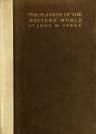
The Playboy of the Western World
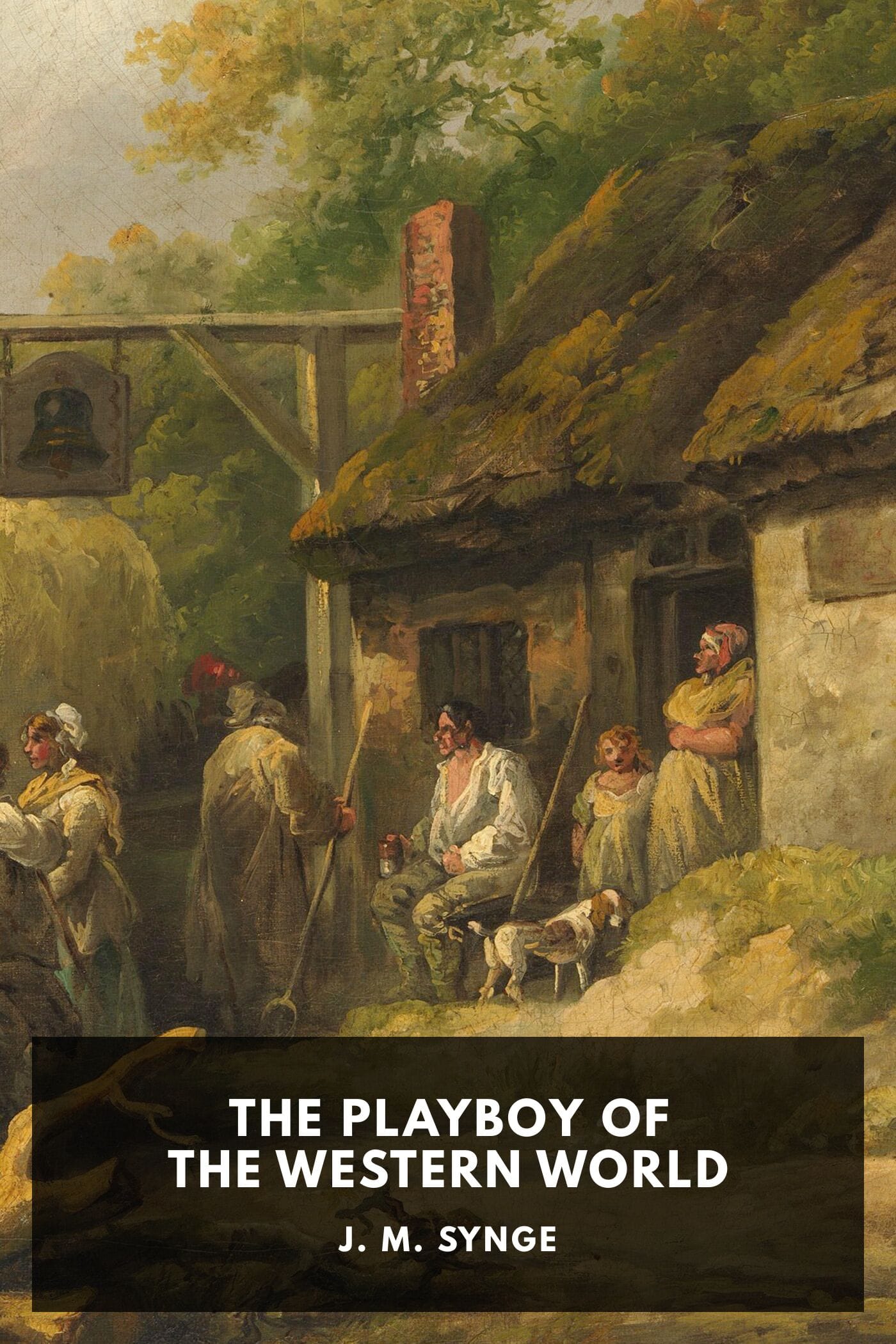
In a remote corner of County Mayo, Christy Mahon stumbles into a village pub, a self-proclaimed parricide on the lam. Far from being ostracized, he's hailed as a hero, his audacious crime transforming him into an object of fascination and romantic desire among the villagers. His boasts of patricide, delivered with a poet's flair, captivate a community starved for excitement and heroism, particularly the spirited pub owner's daughter, Pegeen Mike. But as Christy's legend grows, the truth, as it often does, threatens to catch up, promising a reckoning that will shatter the village's romanticized illusions. Synge's masterpiece ignited riots upon its 1907 debut, perceived as an affront to Irish morality and national pride. Yet, it stands today as a revolutionary work, celebrated for its vibrant, lyrical dialogue that captures the "rich and living" imagination of the Irish country folk. It's a biting satire on the human tendency to romanticize violence and celebrate notoriety, delivered with a linguistic richness that elevates ordinary speech to high art. "The Playboy" remains a potent exploration of identity, myth-making, and the intoxicating power of a good story, even a false one.
Editions

Link to this book
Add a free, dofollow link to Lex on your blog, forum, syllabus, or reading list.

<a href="https://lex-books.com/book/the-playboy-of-the-western-world-777774f3-82eb-41a2-aa31-8d1e15dfd11f"><img src="https://lex-books.com/badges/read-on-lex.svg" alt="Read The Playboy of the Western World by J. M. Synge free on Lex" width="160" height="40"></a>[](https://lex-books.com/book/the-playboy-of-the-western-world-777774f3-82eb-41a2-aa31-8d1e15dfd11f)[url=https://lex-books.com/book/the-playboy-of-the-western-world-777774f3-82eb-41a2-aa31-8d1e15dfd11f][img]https://lex-books.com/badges/read-on-lex.svg[/img][/url]Read The Playboy of the Western World by J. M. Synge free on Lex: https://lex-books.com/book/the-playboy-of-the-western-world-777774f3-82eb-41a2-aa31-8d1e15dfd11fCite this book
Reading this edition for a paper or guide? Copy a citation.
Synge, J. M.. The Playboy of the Western World. Lex, lex-books.com/book/the-playboy-of-the-western-world-777774f3-82eb-41a2-aa31-8d1e15dfd11f.Synge, J. M. (n.d.). The Playboy of the Western World. Lex. https://lex-books.com/book/the-playboy-of-the-western-world-777774f3-82eb-41a2-aa31-8d1e15dfd11fSynge, J. M.. The Playboy of the Western World. Lex. https://lex-books.com/book/the-playboy-of-the-western-world-777774f3-82eb-41a2-aa31-8d1e15dfd11f.