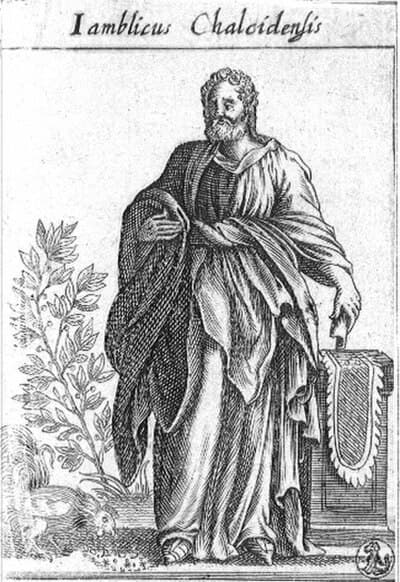
Iamblichus
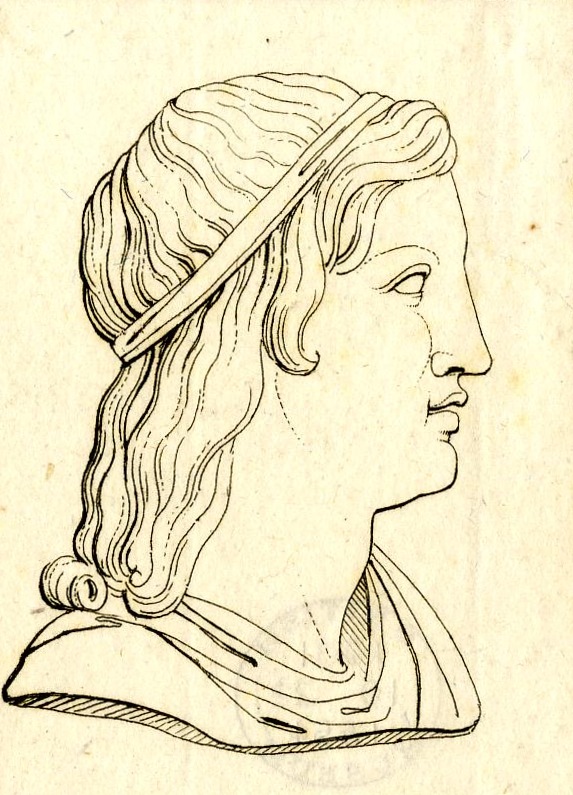
Iamblichus was a prominent Neoplatonist philosopher in the third century, known for his influential works that bridged Platonic thought and religious mysticism. He was a student of Porphyry and later became a teacher in Apamea, Syria, where he developed a unique synthesis of philosophy and theurgy, a practice aimed at invoking divine powers. His most notable work, "On the Mysteries," defends the practice of theurgy and emphasizes the importance of divine intermediaries in achieving spiritual ascent. Iamblichus argued that the soul's journey towards the divine required not just philosophical contemplation but also ritualistic practices that connected the practitioner with the divine realm. Iamblichus's ideas significantly shaped the development of later Neoplatonism and influenced both Christian and Islamic thought. His emphasis on theurgy and the divine hierarchy provided a framework for understanding the relationship between the material and spiritual worlds. This philosophical legacy continued to resonate throughout the Middle Ages and into the Renaissance, as scholars sought to reconcile ancient wisdom with emerging theological perspectives. Iamblichus's work remains a crucial point of reference for those studying the intersection of philosophy, religion, and mysticism in the ancient world.
Famous Quotes
View all 1 quotes“All things in the world of Nature are not controlled by Fate for the soul has a principle of its own.””
Books from the author






Link to this page
Add a free, dofollow link to Lex on your blog, forum, syllabus, or reading list.

<a href="https://lex-books.com/author/iamblichus"><img src="https://lex-books.com/badges/read-on-lex.svg" alt="Iamblichus on Lex" width="160" height="40"></a>[](https://lex-books.com/author/iamblichus)[url=https://lex-books.com/author/iamblichus][img]https://lex-books.com/badges/read-on-lex.svg[/img][/url]Iamblichus on Lex: https://lex-books.com/author/iamblichus