Iamblichus' Life of Pythagoras, or Pythagoric Life
Iamblichus' Life of Pythagoras, or Pythagoric Life
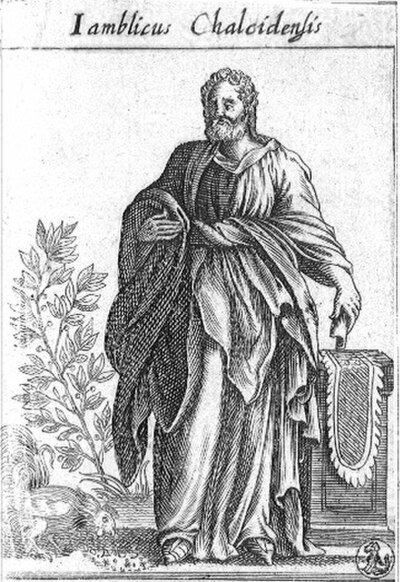
Written by the Neoplatonist philosopher Iamblichus around 300 CE, this is not modern biography but visionary hagiography. Here Pythagoras appears as the ancient world saw him: mathematician, spiritual master, wonder-worker, and almost divine teacher. Iamblichus portrays a man who could transmute reality through number, who lectured in Italy and Egypt, who founded a brotherhood where property was shared, silence was sacred, and the soul's liberation was the highest aim. We see Pythagoras sacrificing bulls, speaking with spirits, and laying down ethical rules that would shape Western thought for millennia. This is the portrait that shaped how generations understood the philosopher as spiritual athlete. Thomas Taylor's 1818 translation became the English standard, capturing the strange, luminous quality of prose written by a man who believed he was preserving sacred knowledge. For readers drawn to ancient spirituality, Neoplatonism, or the origins of Western philosophy, this text offers something no modern life of Pythagoras can: the raw, believing vision of antiquity itself.
Editions
Link to this book
Add a free, dofollow link to Lex on your blog, forum, syllabus, or reading list.

<a href="https://lex-books.com/book/iamblichus-life-of-pythagoras-or-pythagoric-life-4b4129ca-9ed1-446a-bd6a-5dd84a7b01f1"><img src="https://lex-books.com/badges/read-on-lex.svg" alt="Read Iamblichus' Life of Pythagoras, or Pythagoric Life by Iamblichus free on Lex" width="160" height="40"></a>[](https://lex-books.com/book/iamblichus-life-of-pythagoras-or-pythagoric-life-4b4129ca-9ed1-446a-bd6a-5dd84a7b01f1)[url=https://lex-books.com/book/iamblichus-life-of-pythagoras-or-pythagoric-life-4b4129ca-9ed1-446a-bd6a-5dd84a7b01f1][img]https://lex-books.com/badges/read-on-lex.svg[/img][/url]Read Iamblichus' Life of Pythagoras, or Pythagoric Life by Iamblichus free on Lex: https://lex-books.com/book/iamblichus-life-of-pythagoras-or-pythagoric-life-4b4129ca-9ed1-446a-bd6a-5dd84a7b01f1Cite this book
Reading this edition for a paper or guide? Copy a citation.
Iamblichus. Iamblichus' Life of Pythagoras, or Pythagoric Life. Lex, lex-books.com/book/iamblichus-life-of-pythagoras-or-pythagoric-life-4b4129ca-9ed1-446a-bd6a-5dd84a7b01f1.Iamblichus (n.d.). Iamblichus' Life of Pythagoras, or Pythagoric Life. Lex. https://lex-books.com/book/iamblichus-life-of-pythagoras-or-pythagoric-life-4b4129ca-9ed1-446a-bd6a-5dd84a7b01f1Iamblichus. Iamblichus' Life of Pythagoras, or Pythagoric Life. Lex. https://lex-books.com/book/iamblichus-life-of-pythagoras-or-pythagoric-life-4b4129ca-9ed1-446a-bd6a-5dd84a7b01f1.