
Hugo Grotius
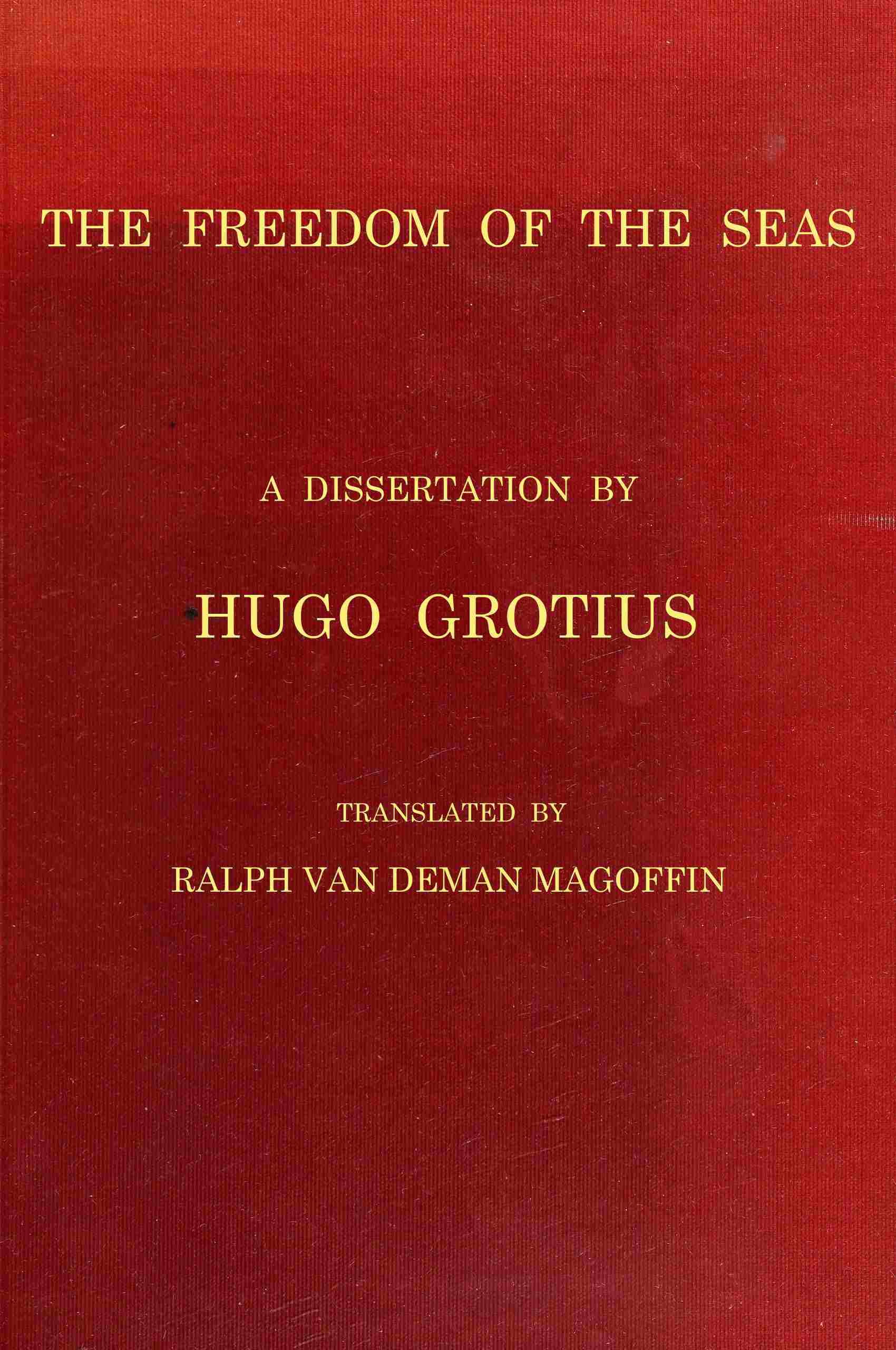
Hugo Grotius was a Dutch humanist, diplomat, lawyer, and theologian whose intellectual contributions laid the groundwork for modern international law. Born in Delft, he demonstrated prodigious talent from a young age, studying at Leiden University and becoming involved in the religious controversies of the Dutch Republic. His political activities led to imprisonment in Loevestein Castle, but he famously escaped hidden in a chest of books. Much of his significant work was produced during his exile in France, where he wrote influential texts that would shape legal and political thought for centuries to come. Among his major works, "De jure belli ac pacis" (On the Law of War and Peace) and "Mare Liberum" (The Free Seas) stand out as foundational texts in international law. Grotius is often referred to as the 'father of international law' for his pioneering ideas that emphasized the importance of laws and mutual agreements among states, rather than reliance on force. His philosophical contributions also extended to the notion of rights, shifting the focus from property-based rights to individual rights, which have had a lasting impact on political theory. Additionally, Grotius played a significant role in the Arminian-Calvinist debate, influencing later movements such as Methodism and Pentecostalism, and is recognized for his theological perspectives on free trade. His legacy endures as a cornerstone of legal and ethical thought in the modern world.
Famous Quotes
View all 3 quotes“I have spent my life laboriously doing nothing.”
“There is none of you who would not publicly exclaim that everyone should be moderator and arbitrator in his own matter, who would not command all citizens to use rivers and public places equally and indifferently, who would not with all his power defend the liberty of going hither and thither and trading.”
“A man cannot govern a nation if he cannot govern a city; he cannot govern a city if he cannot govern a family; he cannot govern a family unless he can govern himself; and he cannot govern himself unless his passions are subject to reason.” By understanding many things, I have accomplished nothing.” Hugo Grotius”
Books from the author


Link to this page
Add a free, dofollow link to Lex on your blog, forum, syllabus, or reading list.

<a href="https://lex-books.com/author/hugo-grotius"><img src="https://lex-books.com/badges/read-on-lex.svg" alt="Hugo Grotius on Lex" width="160" height="40"></a>[](https://lex-books.com/author/hugo-grotius)[url=https://lex-books.com/author/hugo-grotius][img]https://lex-books.com/badges/read-on-lex.svg[/img][/url]Hugo Grotius on Lex: https://lex-books.com/author/hugo-grotius