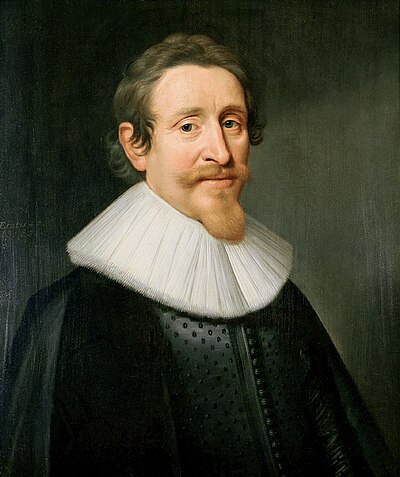
The Freedom of the Seas: Or, The Right Which Belongs to the Dutch to Take Part in the East Indian Trade
1609
The Freedom of the Seas: Or, The Right Which Belongs to the Dutch to Take Part in the East Indian Trade
1609
Translated by Ralph Van Deman Magoffin
The Freedom of the Seas, written by Hugo Grotius in 1609, is a foundational legal and philosophical treatise arguing that the seas are a common domain for all nations, particularly defending Dutch access to the East Indian trade against Portuguese and Spanish monopolies. Grotius posits that the right to navigation and trade is inherent to all humanity, grounded in natural law and universal justice. This work, originally part of a larger text, has had lasting implications for international law and concepts of sovereignty, influencing debates on maritime rights and trade for centuries. It includes the only translation completed during Grotius's lifetime, alongside critiques and responses that enrich its historical context.
Editions

X-Ray
“There is none of you who would not publicly exclaim that everyone should be moderator and arbitrator in his own matter, who would not command all citizens to use rivers and public places equally and indifferently, who would not with all his power defend the liberty of going hither and thither and trading.””
— Hugo Grotius
“It is no less ancient than a pestilent error wherewith many men (but they chiefly who abound in power and riches) persuade themselves, or (as I think more truly) go about to persuade, that right and wrong are distinguished not according to their own nature but by a certain vain opinion and custom of men.””
— Hugo Grotius
Link to this book
Add a free, dofollow link to Lex on your blog, forum, syllabus, or reading list.

<a href="https://lex-books.com/book/the-freedom-of-the-seas-or-the-right-which-belongs-to-the-dutch-to-take-part-in--d4b490f9-6bee-481b-92ed-295398a8c391"><img src="https://lex-books.com/badges/read-on-lex.svg" alt="Read The Freedom of the Seas: Or, The Right Which Belongs to the Dutch to Take Part in the East Indian Trade by Hugo Grotius free on Lex" width="160" height="40"></a>[](https://lex-books.com/book/the-freedom-of-the-seas-or-the-right-which-belongs-to-the-dutch-to-take-part-in--d4b490f9-6bee-481b-92ed-295398a8c391)[url=https://lex-books.com/book/the-freedom-of-the-seas-or-the-right-which-belongs-to-the-dutch-to-take-part-in--d4b490f9-6bee-481b-92ed-295398a8c391][img]https://lex-books.com/badges/read-on-lex.svg[/img][/url]Read The Freedom of the Seas: Or, The Right Which Belongs to the Dutch to Take Part in the East Indian Trade by Hugo Grotius free on Lex: https://lex-books.com/book/the-freedom-of-the-seas-or-the-right-which-belongs-to-the-dutch-to-take-part-in--d4b490f9-6bee-481b-92ed-295398a8c391Cite this book
Reading this edition for a paper or guide? Copy a citation.
Grotius, Hugo. The Freedom of the Seas: Or, The Right Which Belongs to the Dutch to Take Part in the East Indian Trade. Lex, lex-books.com/book/the-freedom-of-the-seas-or-the-right-which-belongs-to-the-dutch-to-take-part-in--d4b490f9-6bee-481b-92ed-295398a8c391.Grotius, H. (1609). The Freedom of the Seas: Or, The Right Which Belongs to the Dutch to Take Part in the East Indian Trade. Lex. https://lex-books.com/book/the-freedom-of-the-seas-or-the-right-which-belongs-to-the-dutch-to-take-part-in--d4b490f9-6bee-481b-92ed-295398a8c391Grotius, Hugo. The Freedom of the Seas: Or, The Right Which Belongs to the Dutch to Take Part in the East Indian Trade. Lex. https://lex-books.com/book/the-freedom-of-the-seas-or-the-right-which-belongs-to-the-dutch-to-take-part-in--d4b490f9-6bee-481b-92ed-295398a8c391.