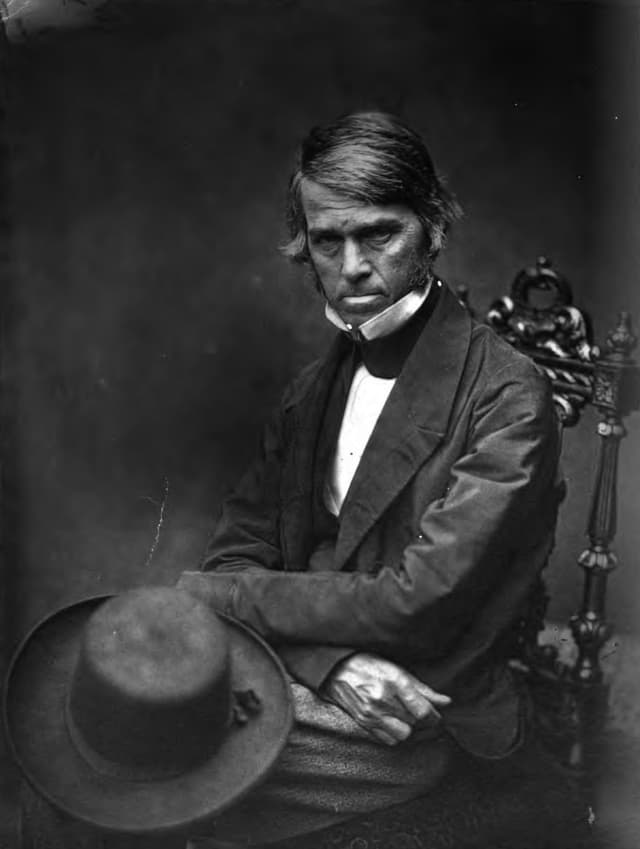
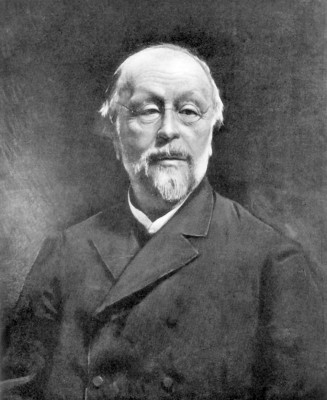
Thomas Carlyle
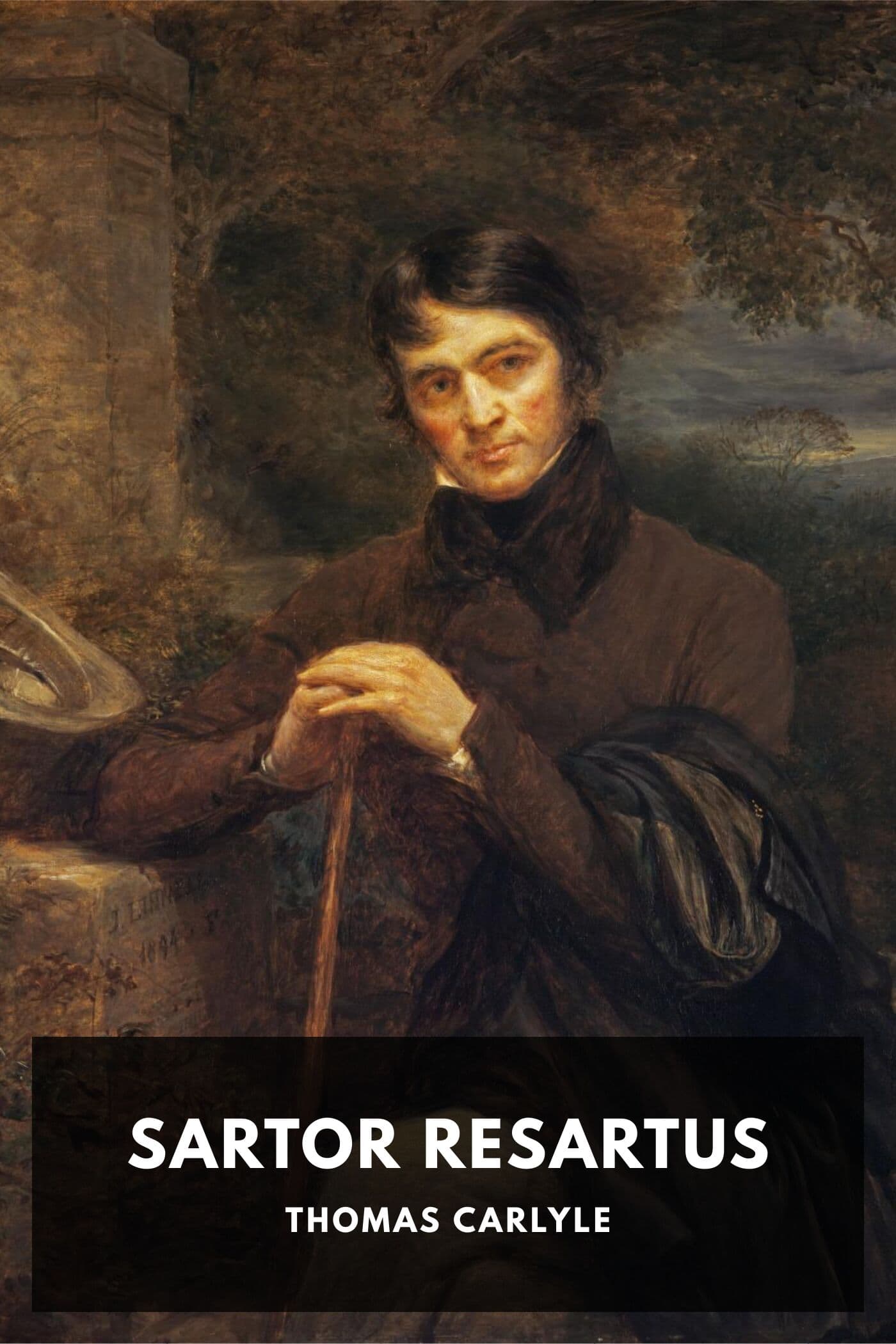
Thomas Carlyle was a Scottish essayist, historian, and philosopher whose writings profoundly influenced the intellectual landscape of the Victorian era. Born in Ecclefechan, Scotland, he excelled at the University of Edinburgh, initially pursuing a path toward the ministry before turning his focus to literature. His early work included contributions to the Edinburgh Encyclopædia and translations of German Romantic literature, which laid the groundwork for his first major publication, the semi-autobiographical novel Sartor Resartus (1833–34). This work established Carlyle as a significant voice in English literature, blending philosophy with narrative in a unique manner. Carlyle's relocation to London marked a turning point in his career, culminating in the publication of The French Revolution: A History (1837), which garnered widespread acclaim and solidified his status as a literary celebrity. His subsequent works, including On Heroes (1841), Past and Present (1843), and Frederick the Great (1858–65), further showcased his ability to intertwine historical analysis with philosophical inquiry. Beyond his literary contributions, Carlyle was instrumental in founding the London Library and played a key role in establishing the National Portrait Galleries in both London and Edinburgh. His legacy endures as a pivotal figure in Victorian thought, whose explorations of heroism, history, and society continue to resonate in literary and philosophical discussions.
Famous Quotes
View all 20 quotes“What we become depends on what we read after all of the professors have finished with us. The greatest university of all is a collection of books.””
“If Jesus Christ were to come today, people would not even crucify him. They would ask him to dinner, and hear what he had to say, and make fun of it.””
“I've got a great ambition to die of exhaustion rather than boredom.””
Books from the author




Link to this page
Add a free, dofollow link to Lex on your blog, forum, syllabus, or reading list.

<a href="https://lex-books.com/author/thomas-carlyle"><img src="https://lex-books.com/badges/read-on-lex.svg" alt="Thomas Carlyle on Lex" width="160" height="40"></a>[](https://lex-books.com/author/thomas-carlyle)[url=https://lex-books.com/author/thomas-carlyle][img]https://lex-books.com/badges/read-on-lex.svg[/img][/url]Thomas Carlyle on Lex: https://lex-books.com/author/thomas-carlyle