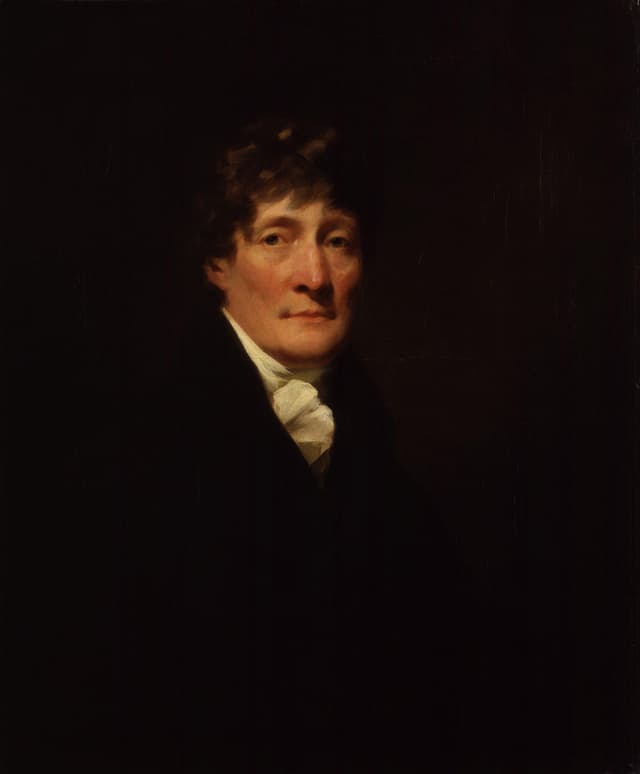
Henry Mackenzie
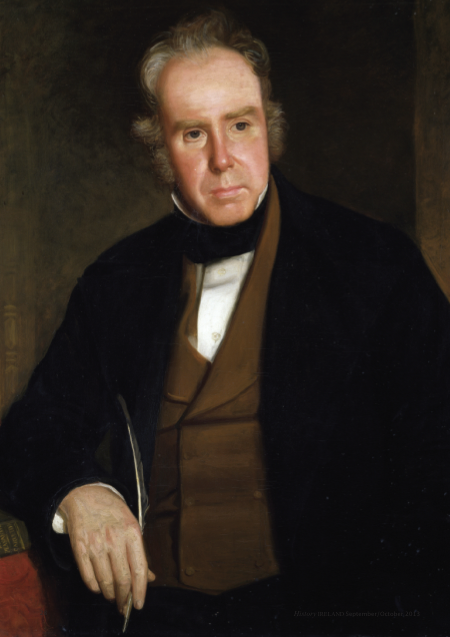
Henry Mackenzie was a Scottish lawyer and writer, often referred to as the 'Addison of the North' for his contributions to literature and journalism. Born in Edinburgh, he balanced his legal career with his passion for writing, which flourished during his tenure as Comptroller of Taxes for Scotland from 1804 to 1831. Mackenzie is best known for his novel 'The Man of Feeling,' published in 1771, which is notable for its exploration of sentiment and emotional depth, marking a significant shift in the portrayal of human experience in literature. This work, along with his essays and contributions to periodicals, established him as a key figure in the development of the Scottish literary tradition. Mackenzie's literary significance extends beyond his own writings; he played a pivotal role in shaping the Scottish Enlightenment's cultural landscape. His works often reflected the moral and social issues of his time, blending narrative with philosophical inquiry. Through his advocacy for literature and the arts, he influenced a generation of writers and thinkers. Mackenzie's legacy endures as a precursor to the Romantic movement, and his emphasis on emotion and individual experience paved the way for future literary exploration in Scotland and beyond.
Famous Quotes
View all 3 quotes“Indeed, I have observed one ingredient, somewhat necessary in a man’s composition towards happiness, which people of feeling would do well to acquire; a certain respect for the follies of mankind: for there are so many fools whom the opinion of the world entitles to regard, whom accident has placed in heights of which they are unworthy, that he who cannot restrain his contempt or indignation at the sight will be too often quarrelling with the disposal of things to relish that share which is allotted to himself.”
“but the world is apt to make an erroneous estimate: ignorant of the dispositions which constitute our happiness or misery, they bring to an undistinguished scale the means of the one, as connected with power, wealth, or grandeur, and of the other with their contraries. Philosophers and poets have often protested against this decision; but their arguments have been despised as declamatory, or ridiculed as romantic.”
“My dog had made a point on a piece of fallow-ground, and led the curate and me two or three hundred yards over that and some stubble adjoining, in a breathless state of expectation, on a burning first of September. it was a false point, and our labour was in vain: yet, to do Rover justice, (for he's an excellent dog, though I have lost his pedigree0 the fault was none of his, the birds were gone; the curate shewed me the spot where they had lain basking, at the root of an old hedge. I stopped and cried Hem! The curate is fatter than I; he wiped the sweat from his brow. There is no state where one is apter to pause and look round one, than after such a disappointment. It is even so in life. When we have been hurrying on, impelled by some warm wish or other, looking neither to the right hand nor to the left - we find of a sudden that all our gay hopes are flown; and the only slender consolation that some friend can give us, is to point where they were once to be found. And lo! if we are not of that combustible race, who will rather beat their heads in spite, than wipe their brows with the curate, we look around and say, with the nauseated listlessness of the king of Israel, 'All is vanity and vexation of spirit.”
Books from the author


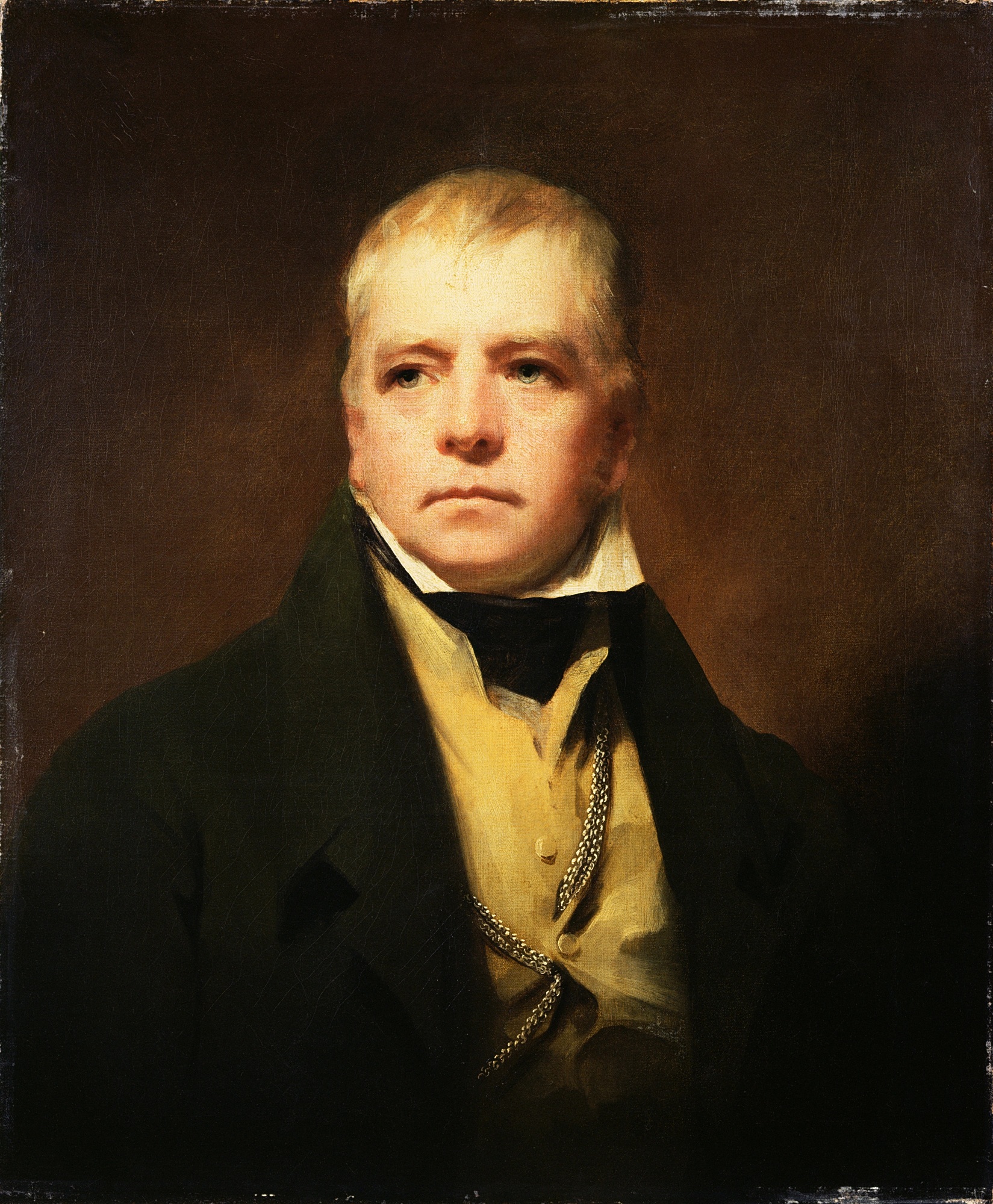


Link to this page
Add a free, dofollow link to Lex on your blog, forum, syllabus, or reading list.

<a href="https://lex-books.com/author/henry-mackenzie"><img src="https://lex-books.com/badges/read-on-lex.svg" alt="Henry Mackenzie on Lex" width="160" height="40"></a>[](https://lex-books.com/author/henry-mackenzie)[url=https://lex-books.com/author/henry-mackenzie][img]https://lex-books.com/badges/read-on-lex.svg[/img][/url]Henry Mackenzie on Lex: https://lex-books.com/author/henry-mackenzie