Walden, and on the Duty of Civil Disobedience
1854
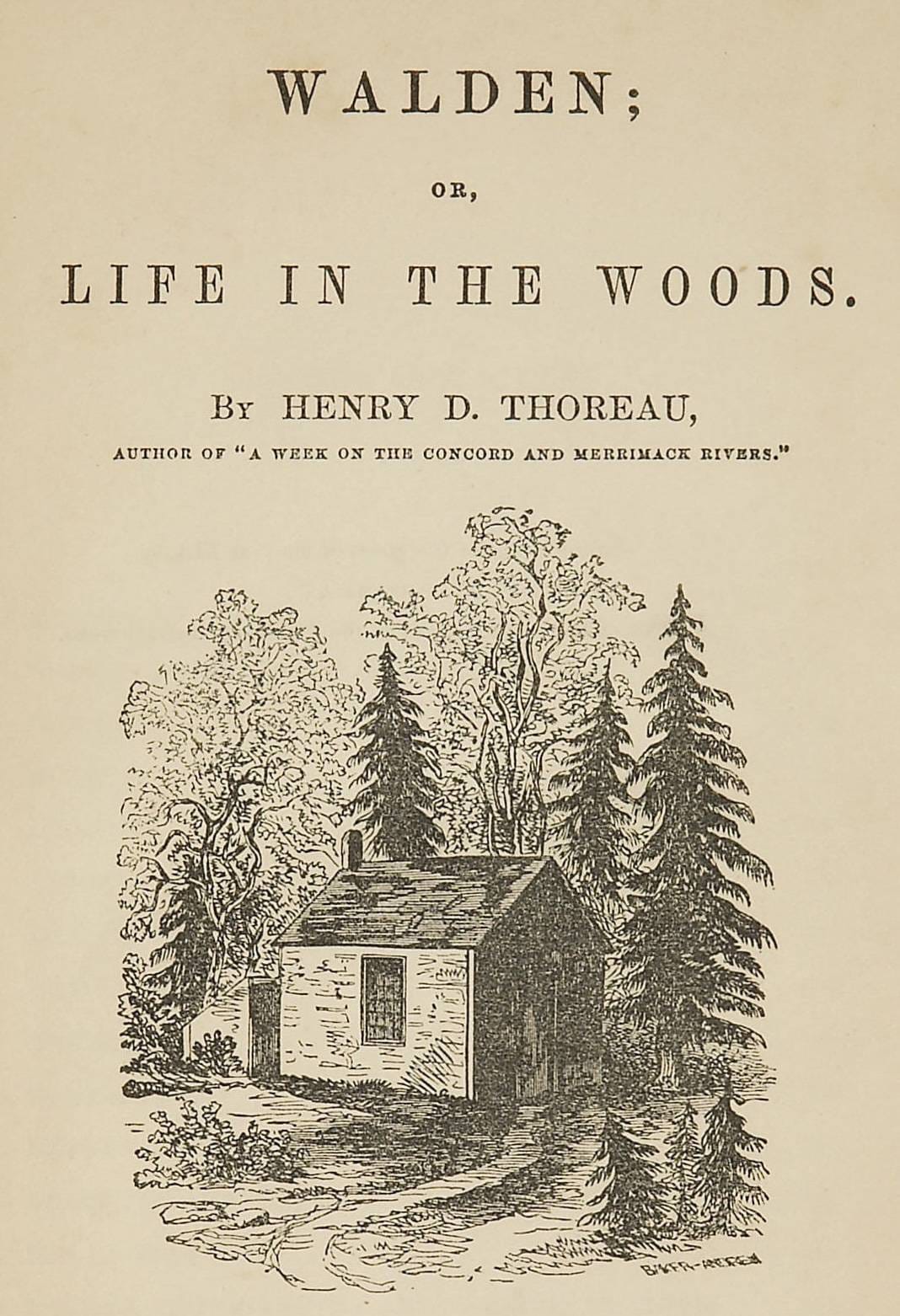
Walden, and on the Duty of Civil Disobedience
1854
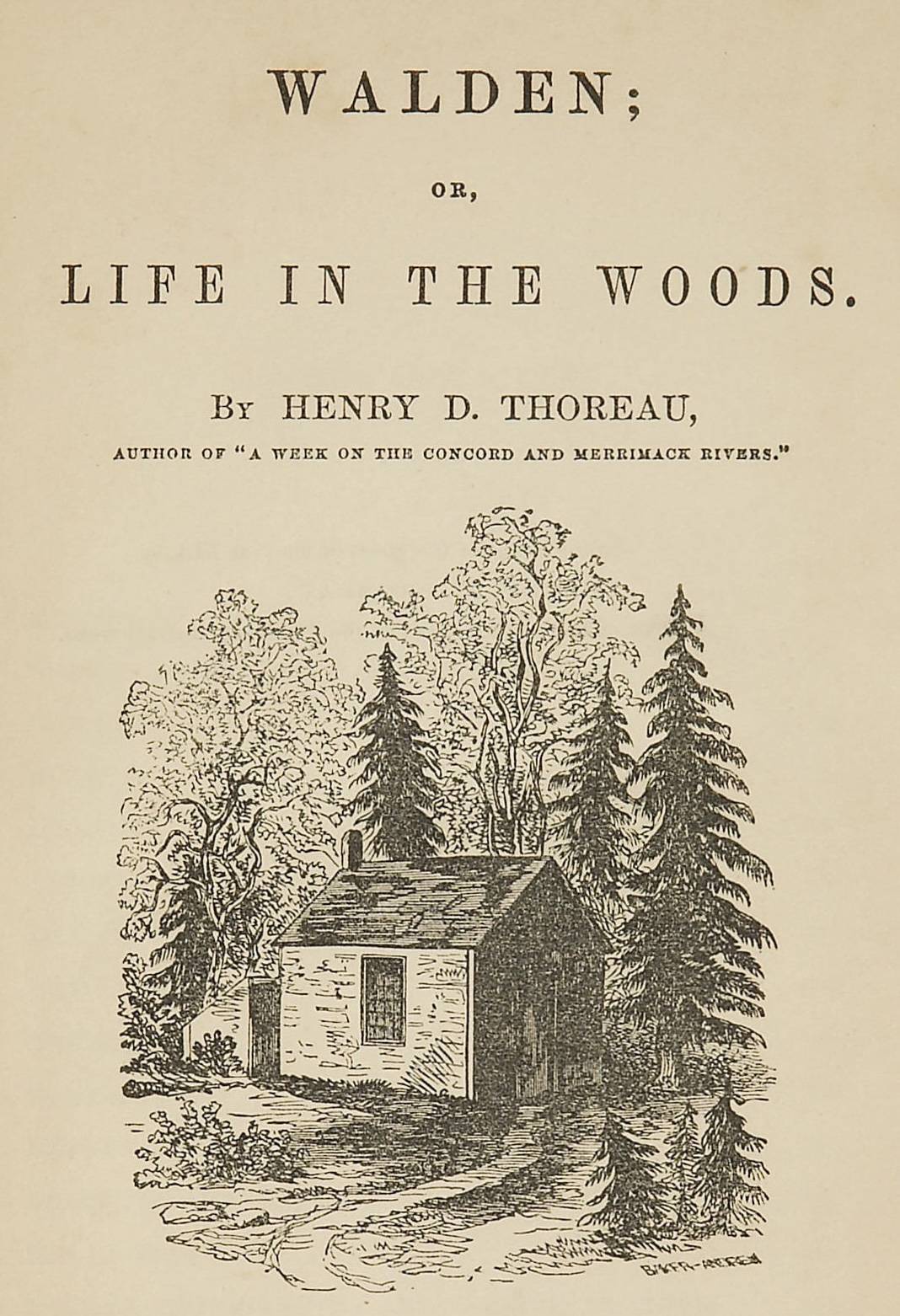
In the summer of 1845, a thirty-year-old abolitionist and naturalist walked into the woods of Massachusetts with an axe and a determination to live deliberately. What he found there would reshape American letters forever. Walden is not a memoir of escape but an argument, fierce and tender, that most human lives are spent in quiet desperation, accumulating possessions we never use, working at tasks we never chose, and mistaking motion for progress. Thoreau spent twenty-six months in a hand-built cabin near Walden Pond, documenting the rhythms of beans and ice-cutting, of solitary mornings and thunderous storms, all while interweaving a radical philosophy of self-reliance and wildness. But this is not pastoral retreat. Thoreau was watching the expansion of slavery, the acceleration of industry, the crushing weight of conformity, and he refused to be numbed. Civil Disobedience, the companion essay, extends this refusal into direct action: he went to jail rather than pay taxes funding an unjust war. Together these works form a manifesto for anyone who has ever felt that civilization demands too much and offers too little in return. The book endures because it asks each generation the same irreducible question: what are you actually living for?
Editions


X-Ray
The author and narrator who undertakes an experiment in simple living at Walden Pond to confront the essential facts of life.
About Walden, and on the Duty of Civil Disobedience
Chapter Summaries
- 1
- Thoreau explains his reasons for living at Walden Pond, critiquing the 'lives of quiet desperation' led by most men due to their pursuit of unnecessary luxuries and inherited encumbrances. He details his minimal expenses for building his house and living simply, arguing that true economy is about living deliberately and freeing oneself from societal burdens.
- 2
- Thoreau describes his chosen dwelling place and articulates his purpose: to live deliberately, confront the essential facts of life, and avoid dying without truly having lived. He emphasizes the importance of awakening to a 'perpetual morning' and simplifying one's life to focus on what is truly vital, rather than being ridden by the 'railroad' of societal expectations.
- 3
- This chapter explores the value of deep, classical reading as a noble intellectual exercise, contrasting it with superficial contemporary literature and news. Thoreau argues that true reading requires effort and concentration, leading to a profound understanding of human experience and wisdom, which he finds lacking in his community's educational pursuits.
Key Themes
- Simplicity and Economy
- Thoreau advocates for a life stripped of superfluous possessions and activities, detailing his own minimal expenses and labor. He argues that true wealth lies not in material accumulation but in freedom and leisure for higher pursuits, contrasting his simple life with the 'quiet desperation' of his townsmen.
- Self-Reliance and Individualism
- A core tenet, Thoreau emphasizes the importance of individual thought and action, rejecting conformity to societal expectations. He encourages readers to discover and pursue their own unique path, independent of others' opinions or traditional institutions.
- Nature and Wildness
- Nature is presented as a source of truth, inspiration, and spiritual renewal. Thoreau immerses himself in the natural world, observing its rhythms and creatures, finding in them lessons for human life and a counterpoint to the artificiality of civilization.
Characters
- Henry David Thoreau(protagonist)
- The author and narrator who undertakes an experiment in simple living at Walden Pond to confront the essential facts of life.
Link to this book
Add a free, dofollow link to Lex on your blog, forum, syllabus, or reading list.

<a href="https://lex-books.com/book/walden-and-on-the-duty-of-civil-disobedience-904ab704-6f99-43a2-8e24-0ef5ec35415d"><img src="https://lex-books.com/badges/read-on-lex.svg" alt="Read Walden, and on the Duty of Civil Disobedience by Henry David Thoreau free on Lex" width="160" height="40"></a>[](https://lex-books.com/book/walden-and-on-the-duty-of-civil-disobedience-904ab704-6f99-43a2-8e24-0ef5ec35415d)[url=https://lex-books.com/book/walden-and-on-the-duty-of-civil-disobedience-904ab704-6f99-43a2-8e24-0ef5ec35415d][img]https://lex-books.com/badges/read-on-lex.svg[/img][/url]Read Walden, and on the Duty of Civil Disobedience by Henry David Thoreau free on Lex: https://lex-books.com/book/walden-and-on-the-duty-of-civil-disobedience-904ab704-6f99-43a2-8e24-0ef5ec35415dCite this book
Reading this edition for a paper or guide? Copy a citation.
Thoreau, Henry David. Walden, and on the Duty of Civil Disobedience. Lex, lex-books.com/book/walden-and-on-the-duty-of-civil-disobedience-904ab704-6f99-43a2-8e24-0ef5ec35415d.Thoreau, H. D. (1854). Walden, and on the Duty of Civil Disobedience. Lex. https://lex-books.com/book/walden-and-on-the-duty-of-civil-disobedience-904ab704-6f99-43a2-8e24-0ef5ec35415dThoreau, Henry David. Walden, and on the Duty of Civil Disobedience. Lex. https://lex-books.com/book/walden-and-on-the-duty-of-civil-disobedience-904ab704-6f99-43a2-8e24-0ef5ec35415d.