
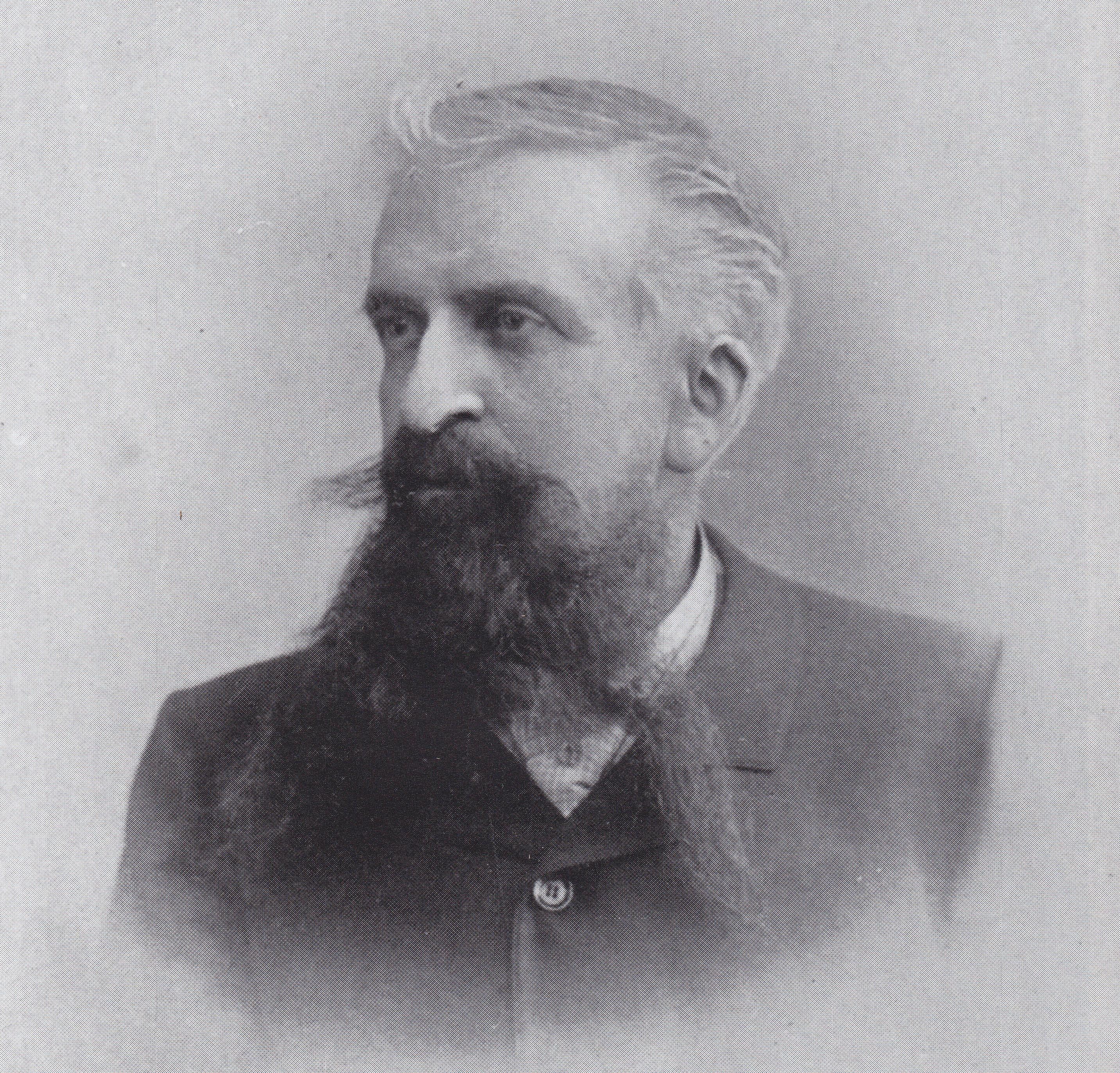
Harald Høffding
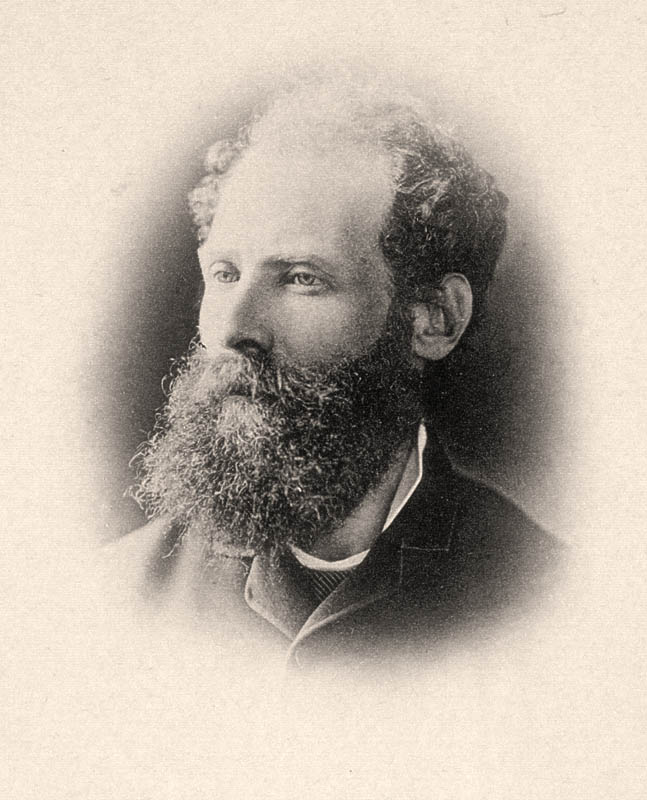
Harald Høffding was a Danish philosopher and psychologist, known for his contributions to the fields of philosophy of mind and educational theory. Born in 1843, he became a prominent figure in the development of modern psychology in Denmark, advocating for a scientific approach to understanding human consciousness and behavior. Høffding's work often bridged the gap between philosophy and psychology, emphasizing the importance of empirical observation and the study of experience. His notable works include 'Outlines of Psychology' and 'The Philosophy of Religion', where he explored the interplay between psychological processes and philosophical inquiry. Høffding's significance lies in his role as a pioneer in integrating psychological insights into philosophical discourse, particularly in the context of education and ethics. He was instrumental in establishing psychology as a distinct discipline in Denmark, influencing both academic thought and practical applications in education. His legacy endures through his writings and the impact he had on subsequent generations of thinkers, particularly in the realms of existentialism and phenomenology, where his ideas about consciousness and experience continue to resonate.
Books from the author



Link to this page
Add a free, dofollow link to Lex on your blog, forum, syllabus, or reading list.

<a href="https://lex-books.com/author/harald-høffding"><img src="https://lex-books.com/badges/read-on-lex.svg" alt="Harald Høffding on Lex" width="160" height="40"></a>[](https://lex-books.com/author/harald-høffding)[url=https://lex-books.com/author/harald-høffding][img]https://lex-books.com/badges/read-on-lex.svg[/img][/url]Harald Høffding on Lex: https://lex-books.com/author/harald-høffding