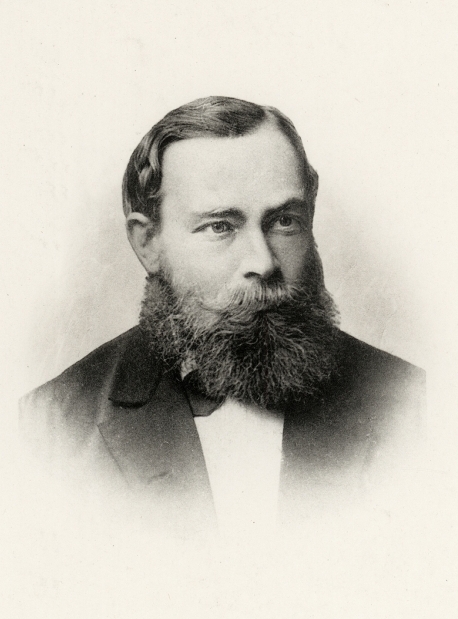
Gottlob Frege
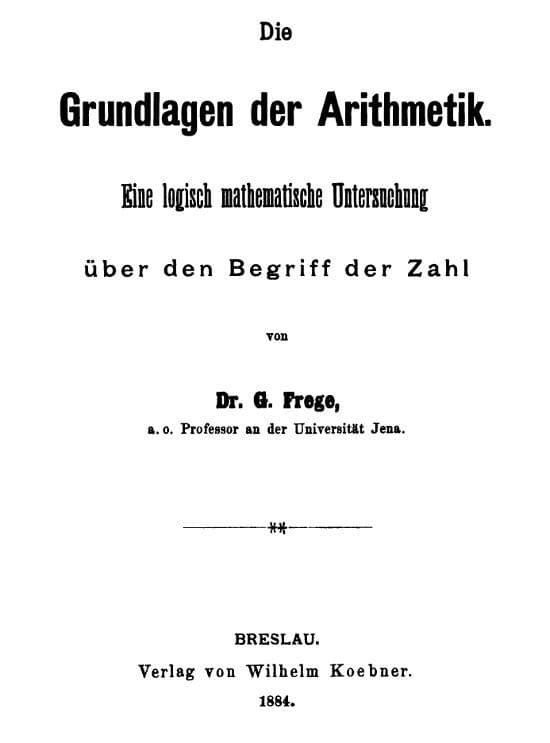
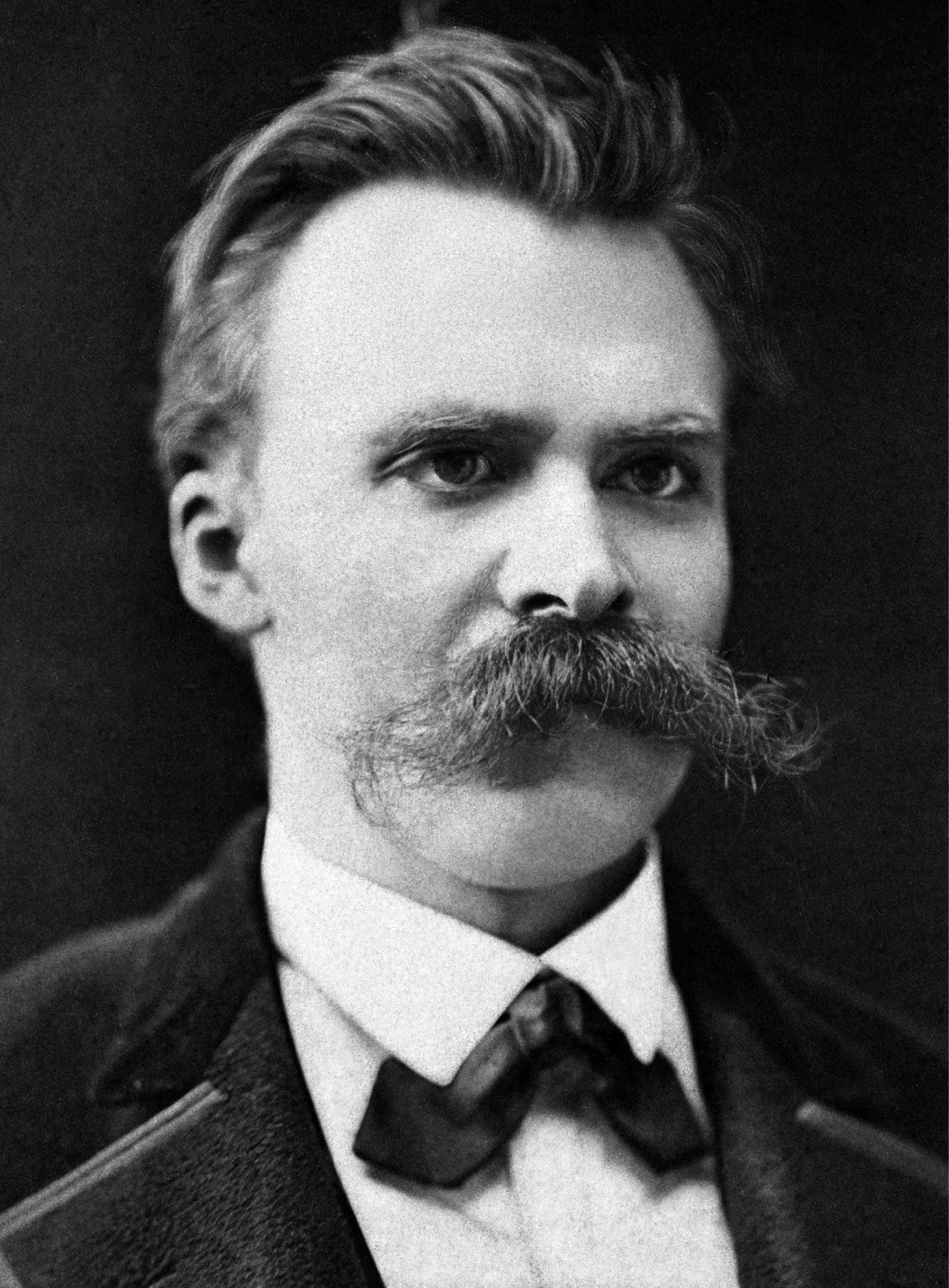
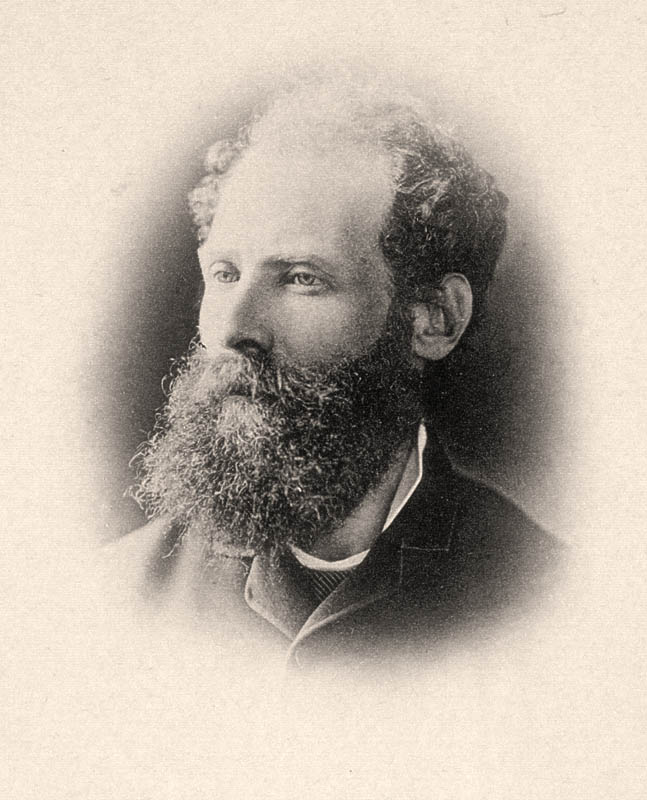
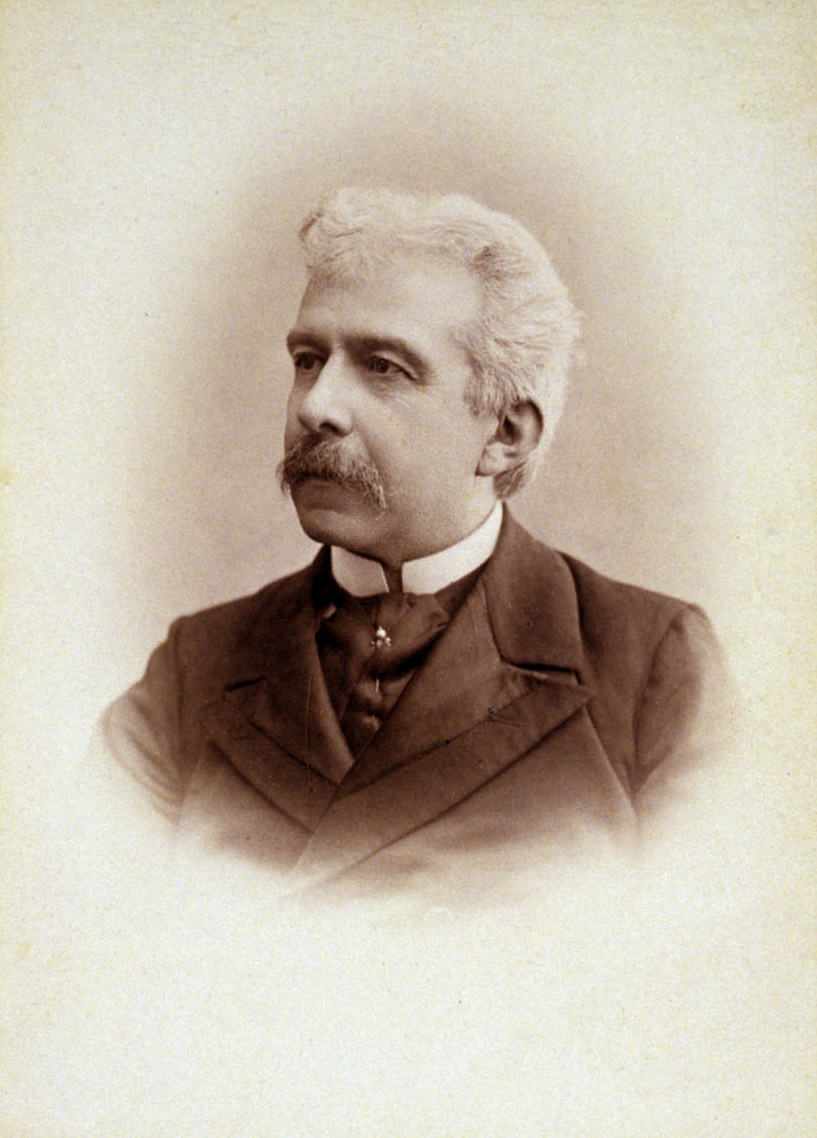
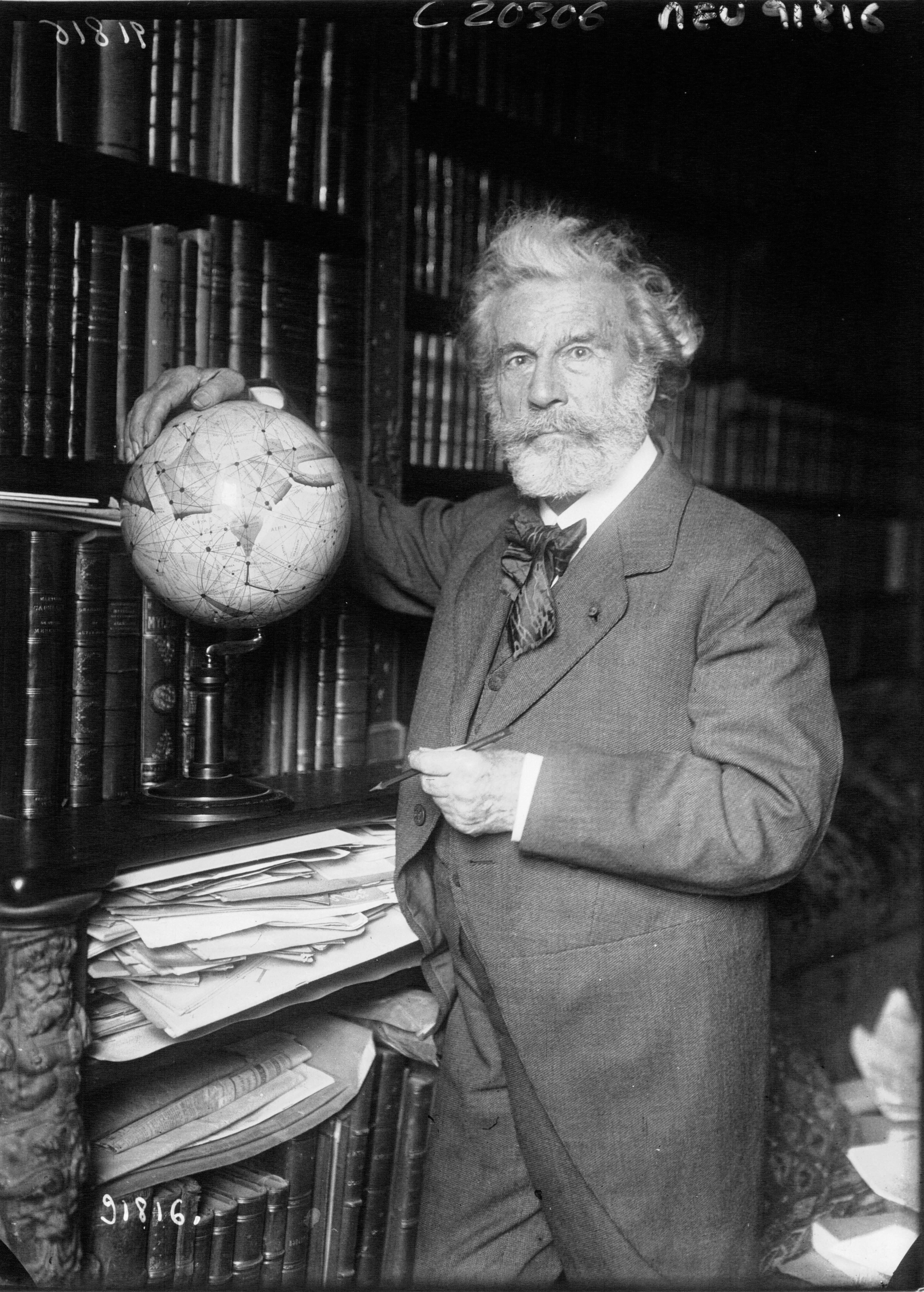
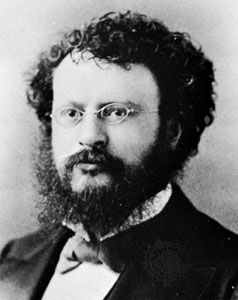
Gottlob Frege was a pivotal German philosopher, logician, and mathematician whose work laid the groundwork for modern analytic philosophy. Serving as a professor at the University of Jena, Frege focused on the philosophy of language, logic, and mathematics, and is often hailed as the father of analytic philosophy. Despite being largely overlooked during his lifetime, his ideas gained prominence through the efforts of later philosophers such as Bertrand Russell and Ludwig Wittgenstein. Frege's contributions to logic are monumental, particularly through his seminal work, the Begriffsschrift, which introduced a formal system of logic that influenced generations of thinkers. Among Frege's most significant works is the Foundations of Arithmetic, which is regarded as a cornerstone of the logicist project, asserting that mathematics can be derived from logical foundations. His philosophical papers, notably "On Sense and Reference" and "The Thought," further explore the nature of meaning and the distinction between sense and reference, establishing a framework that challenged prevailing views of language and thought. Frege's advocacy for Platonism in relation to numbers and propositions marked a significant departure from psychologism and formalism, solidifying his legacy as one of the most influential logicians since Aristotle and a profound thinker in the philosophy of mathematics.
Famous Quotes
View all 3 quotes“Every good mathematician is at least half a philosopher, and every good philosopher is at least half a mathematician.”
“[..] I do not begin with concepts and put them together to form a thought or judgement; I come by the parts of a thought by analysing the thought.”
“A scientist can hardly encounter anything more desirable than, just as a work is completed, to have its foundation give way.”
Books from the author

Link to this page
Add a free, dofollow link to Lex on your blog, forum, syllabus, or reading list.

<a href="https://lex-books.com/author/gottlob-frege"><img src="https://lex-books.com/badges/read-on-lex.svg" alt="Gottlob Frege on Lex" width="160" height="40"></a>[](https://lex-books.com/author/gottlob-frege)[url=https://lex-books.com/author/gottlob-frege][img]https://lex-books.com/badges/read-on-lex.svg[/img][/url]Gottlob Frege on Lex: https://lex-books.com/author/gottlob-frege