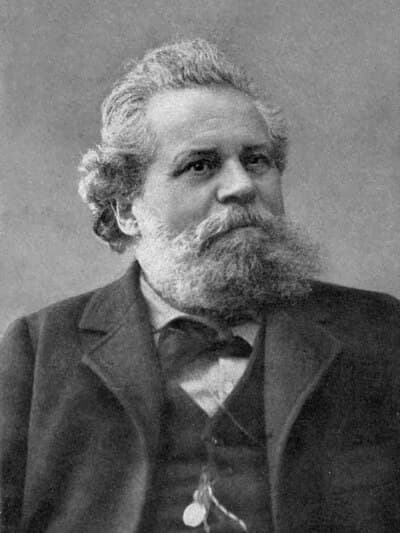
Giosuè Carducci
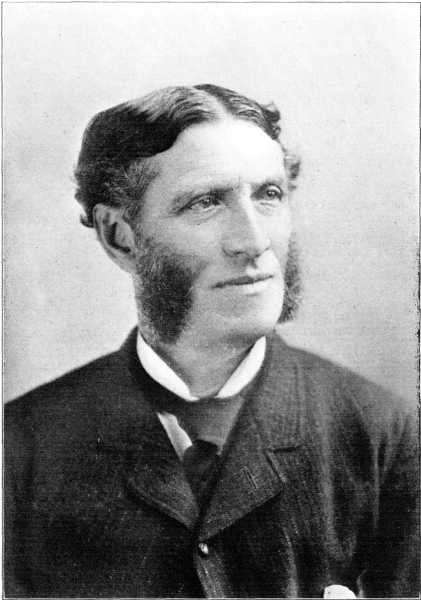
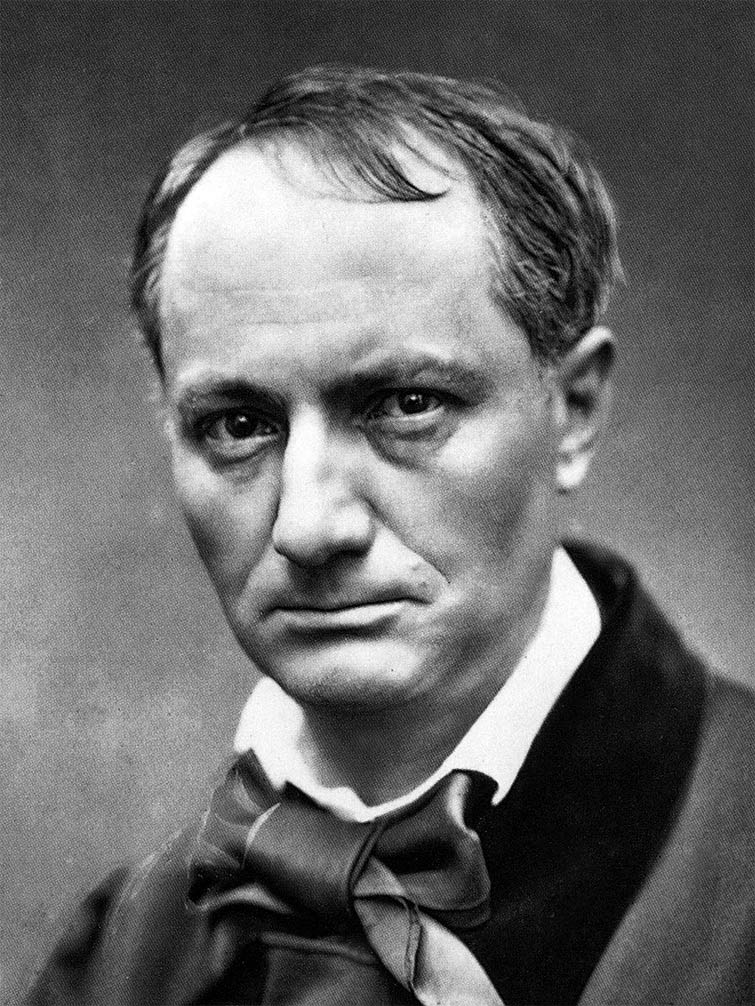
Giosuè Carducci was an influential Italian poet and literary figure, renowned for his role in the revival of Italian literature in the late 19th century. Born in the small town of Valdicastello, Carducci's early life was marked by a deep appreciation for classical literature, which would later inform his own poetic style. He became a prominent voice in the Italian literary scene, advocating for a return to the classical forms and themes that had been overshadowed by Romanticism. His works often reflect a profound engagement with history, nature, and the human experience, showcasing his mastery of language and form. Among his most notable works are 'Odi e Inni' and 'Rime Nuove,' which exemplify his innovative approach to poetry, blending classical influences with contemporary themes. Carducci's poetry is characterized by its musicality and emotional depth, and he is celebrated for his ability to convey complex ideas with clarity and elegance. In 1906, he became the first Italian to receive the Nobel Prize in Literature, a testament to his significant contributions to the literary world. Carducci's legacy endures as a key figure in the transition from Romanticism to modernism in Italian literature, influencing generations of poets and writers who followed him.
Famous Quotes
View all 1 quotes“In cinquant’anni di vita ho esperimentato che la miglior furberia è sempre l’onestà, che la verità è il più squisito machiavellismo.””
Books from the author






Link to this page
Add a free, dofollow link to Lex on your blog, forum, syllabus, or reading list.

<a href="https://lex-books.com/author/giosuè-carducci"><img src="https://lex-books.com/badges/read-on-lex.svg" alt="Giosuè Carducci on Lex" width="160" height="40"></a>[](https://lex-books.com/author/giosuè-carducci)[url=https://lex-books.com/author/giosuè-carducci][img]https://lex-books.com/badges/read-on-lex.svg[/img][/url]Giosuè Carducci on Lex: https://lex-books.com/author/giosuè-carducci