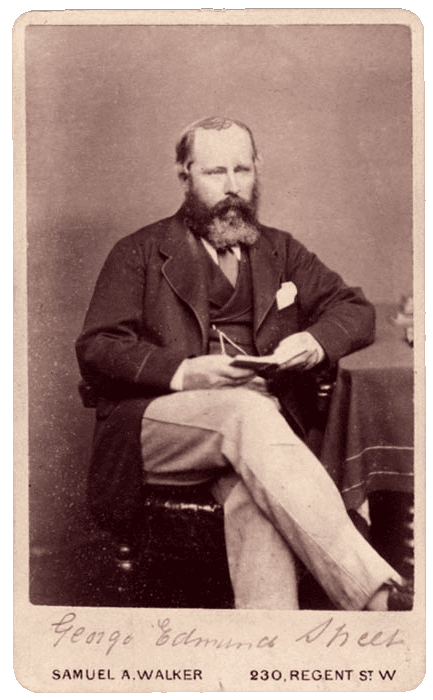
George Edmund Street
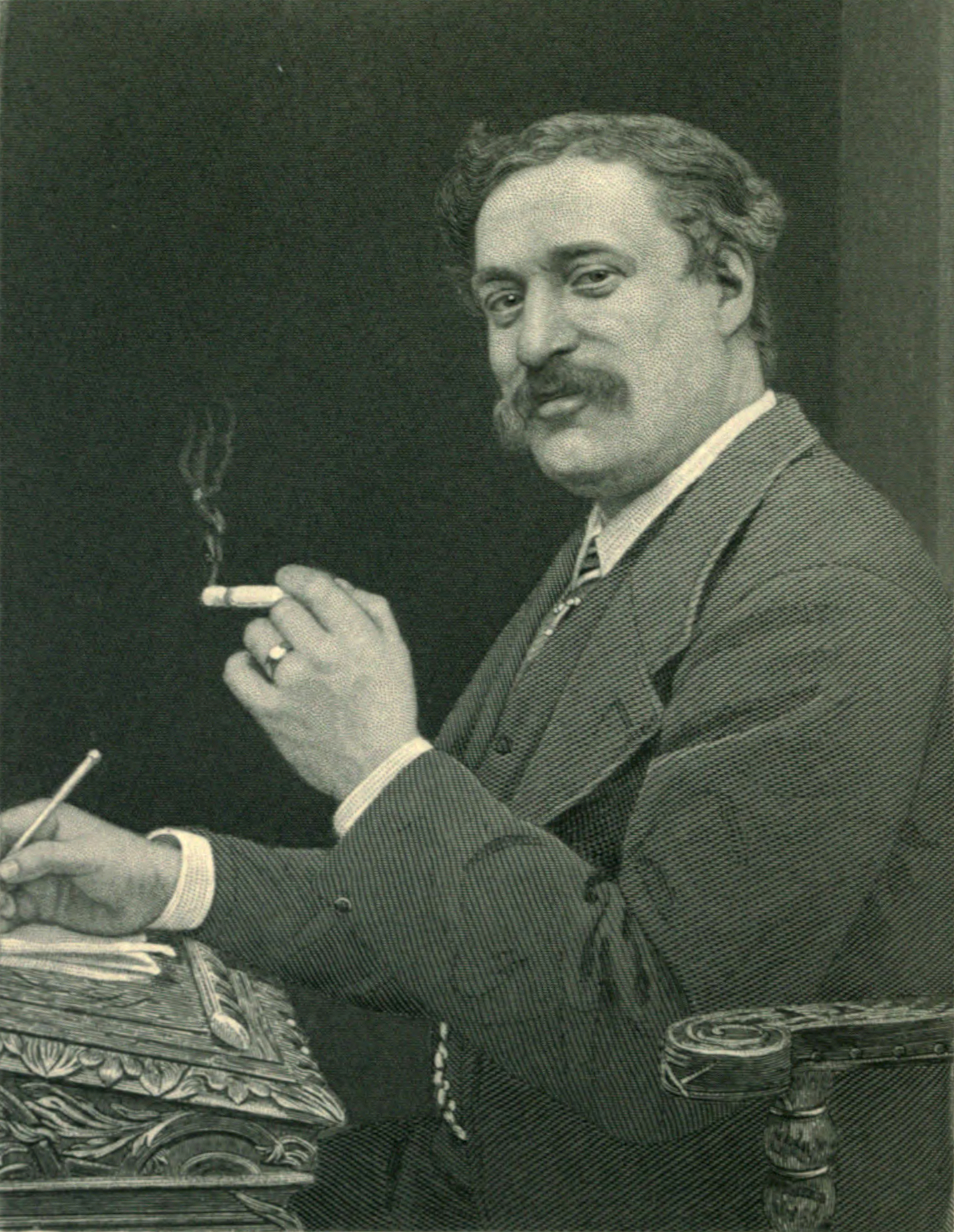
George Edmund Street was an influential English architect renowned for his contributions to the Victorian Gothic Revival. Born in Woodford, Essex, he developed a passion for architecture that led him to become a prominent figure in the field during the 19th century. Street's work primarily focused on ecclesiastical buildings, where he skillfully blended traditional Gothic elements with contemporary needs, creating structures that were both functional and aesthetically pleasing. Among his most notable achievements is the design of the Royal Courts of Justice on the Strand in London, a landmark that exemplifies his mastery of Gothic architecture. Street's designs were characterized by intricate detailing and a deep respect for historical styles, which helped to define the architectural landscape of Victorian England. His legacy continues to influence architects today, as he played a crucial role in reviving and adapting Gothic architecture for modern use, ensuring its relevance in the evolving urban environment of the time.
Famous Quotes
View all 1 quotes“Tennessee Williams didn’t have sex until he was twenty-eight. Later, during the war years, he made out like a bandit, hauling two or three men a night off the streets or out of the bars to his room in the Manhattan Sixty-third Street Y or the Hotel St. George in Brooklyn.””
Books from the author
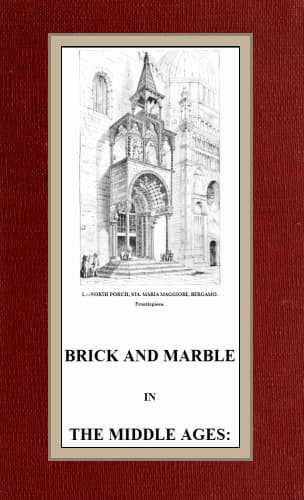

Link to this page
Add a free, dofollow link to Lex on your blog, forum, syllabus, or reading list.

<a href="https://lex-books.com/author/george-edmund-street"><img src="https://lex-books.com/badges/read-on-lex.svg" alt="George Edmund Street on Lex" width="160" height="40"></a>[](https://lex-books.com/author/george-edmund-street)[url=https://lex-books.com/author/george-edmund-street][img]https://lex-books.com/badges/read-on-lex.svg[/img][/url]George Edmund Street on Lex: https://lex-books.com/author/george-edmund-street