Brick and Marble in the Middle Ages: Notes of Tours in the North of Italy
1855
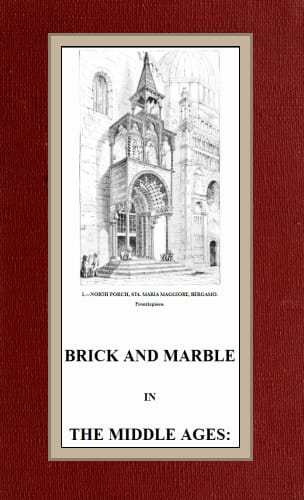
Brick and Marble in the Middle Ages: Notes of Tours in the North of Italy
1855
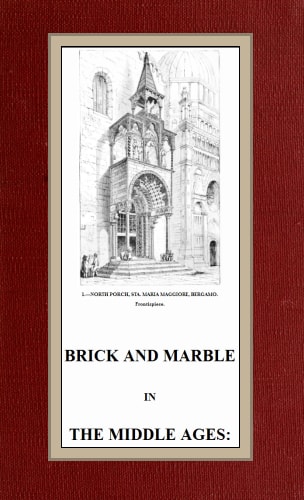
In 1855, a young English architect embarked on a pilgrimage through northern Italy, determined to understand how brick and marble could speak the same language. George Edmund Street had already fallen under the spell of Gothic architecture, but nothing prepared him for what he found in the cathedrals, campaniles, and civic buildings of Lombardy and Venice. This is his account of that journey: part meticulous architectural analysis, part breathless travel narrative, all fueled by the conviction that understanding the past is essential to building well in the present. Street writes as both scholar and enthusiast. He measures proportions, sketches details, and debates the influences behind every arcade and cornice. Yet he also marvels at the way light falls through a rose window, or the unexpected grace of a brick facade veined with marble trim. His descriptions transport readers to places that remain remarkably recognizable today, even as they offer a window into a Victorian understanding of medieval art. For anyone who loves architecture, Italy, or the peculiar pleasure of following a knowledgeable guide through unfamiliar terrain, this book remains essential reading. Street's enthusiasm is infectious, his eye is precise, and his love for these buildings burns on every page.
Editions
X-Ray
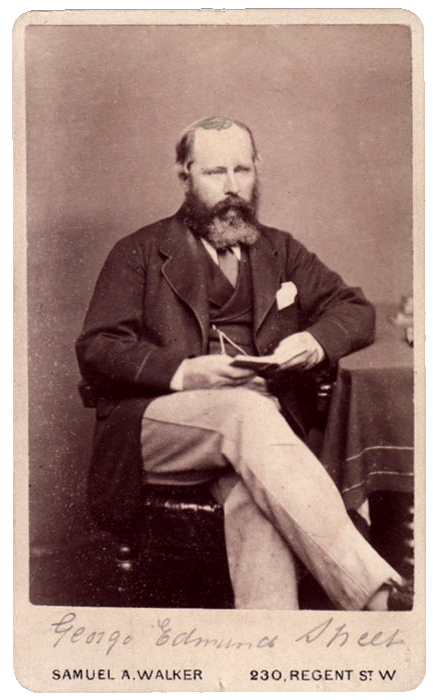
The author and narrator, a Victorian architect and member of the Royal Academy. He undertakes an architectural tour of Northern Italy to study medieval buildings, particularly Gothic and Romanesque structures.
The Right Reverend Lord Bishop of Winchester, to whom the book is dedicated. Street expresses sincere affection and gratitude for benefits received from him.
Influential art critic and theorist whose writings on architecture, particularly 'The Stones of Venice,' greatly influenced Street's approach to Italian architecture. Street acknowledges a debt of gratitude to Ruskin's advocacy of architectural principles.
Medieval architect credited with designing several important Italian churches including Sant'Antonio in Padua and the Frari in Venice. Represents the tradition of Italian Gothic architecture.
About Brick and Marble in the Middle Ages: Notes of Tours in the North of Italy
Chapter Summaries
- 1
- Street begins his journey to Italy, traveling through France and describing various routes available to architectural tourists. He critiques modern sculpture and painting in Paris churches while praising medieval examples.
- 2
- The journey continues through Switzerland, with detailed descriptions of the cathedral at Zürich and observations about Swiss fondness for bright colors in architecture. Street notes the use of colored tiles and painted spires.
- 3
- Street travels through the Swiss Alps, describing the cathedral at Chur and the dramatic scenery of the Splügen Pass. He provides detailed architectural analysis of the unusual church at Chur with its raised choir and crypt.
Key Themes
- Architectural Truth and Construction
- Street emphasizes the importance of honest construction and the proper use of materials. He criticizes Renaissance architects for using false construction methods and cheap materials to imitate more expensive work.
- Gothic Revival vs. Renaissance
- The book presents a strong argument for Gothic architecture over Renaissance, viewing Gothic as more honest, constructionally sound, and spiritually meaningful than the classical revival styles.
- Cultural and Religious Expression in Architecture
- Street explores how architecture reflects the religious and cultural values of its time, particularly praising medieval buildings for their spiritual character and criticizing later works for their secular focus.
Characters
- George Edmund Street(protagonist)
- The author and narrator, a Victorian architect and member of the Royal Academy. He undertakes an architectural tour of Northern Italy to study medieval buildings, particularly Gothic and Romanesque structures.
- Samuel Wilberforce(minor)
- The Right Reverend Lord Bishop of Winchester, to whom the book is dedicated. Street expresses sincere affection and gratitude for benefits received from him.
- John Ruskin(major)
- Influential art critic and theorist whose writings on architecture, particularly 'The Stones of Venice,' greatly influenced Street's approach to Italian architecture. Street acknowledges a debt of gratitude to Ruskin's advocacy of architectural principles.
- Nicola Pisano(minor)
- Medieval architect credited with designing several important Italian churches including Sant'Antonio in Padua and the Frari in Venice. Represents the tradition of Italian Gothic architecture.
- Palladio(minor)
- Renaissance architect whose works in Vicenza Street criticizes as representing false principles of construction and ornamentation, contrasting them unfavorably with medieval Gothic work.
Link to this book
Add a free, dofollow link to Lex on your blog, forum, syllabus, or reading list.

<a href="https://lex-books.com/book/brick-and-marble-in-the-middle-ages-notes-of-tours-in-the-north-of-italy-7cc892e0-3756-4a9a-9ac7-84dde5a314d8"><img src="https://lex-books.com/badges/read-on-lex.svg" alt="Read Brick and Marble in the Middle Ages: Notes of Tours in the North of Italy by George Edmund Street free on Lex" width="160" height="40"></a>[](https://lex-books.com/book/brick-and-marble-in-the-middle-ages-notes-of-tours-in-the-north-of-italy-7cc892e0-3756-4a9a-9ac7-84dde5a314d8)[url=https://lex-books.com/book/brick-and-marble-in-the-middle-ages-notes-of-tours-in-the-north-of-italy-7cc892e0-3756-4a9a-9ac7-84dde5a314d8][img]https://lex-books.com/badges/read-on-lex.svg[/img][/url]Read Brick and Marble in the Middle Ages: Notes of Tours in the North of Italy by George Edmund Street free on Lex: https://lex-books.com/book/brick-and-marble-in-the-middle-ages-notes-of-tours-in-the-north-of-italy-7cc892e0-3756-4a9a-9ac7-84dde5a314d8Cite this book
Reading this edition for a paper or guide? Copy a citation.
Street, George Edmund. Brick and Marble in the Middle Ages: Notes of Tours in the North of Italy. Lex, lex-books.com/book/brick-and-marble-in-the-middle-ages-notes-of-tours-in-the-north-of-italy-7cc892e0-3756-4a9a-9ac7-84dde5a314d8.Street, G. E. (1855). Brick and Marble in the Middle Ages: Notes of Tours in the North of Italy. Lex. https://lex-books.com/book/brick-and-marble-in-the-middle-ages-notes-of-tours-in-the-north-of-italy-7cc892e0-3756-4a9a-9ac7-84dde5a314d8Street, George Edmund. Brick and Marble in the Middle Ages: Notes of Tours in the North of Italy. Lex. https://lex-books.com/book/brick-and-marble-in-the-middle-ages-notes-of-tours-in-the-north-of-italy-7cc892e0-3756-4a9a-9ac7-84dde5a314d8.