Friedrich Nietzsche
1909
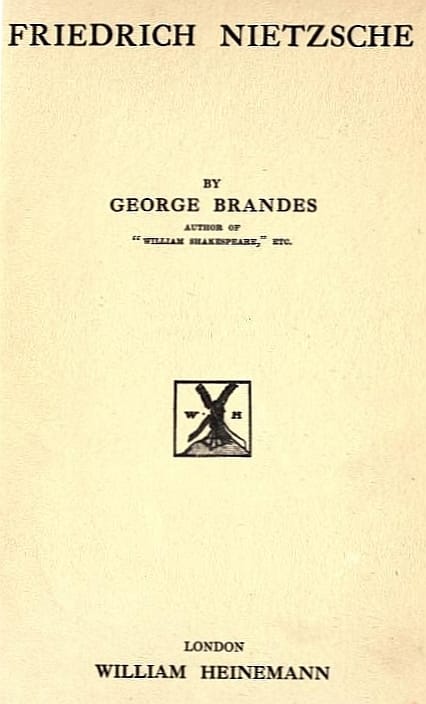
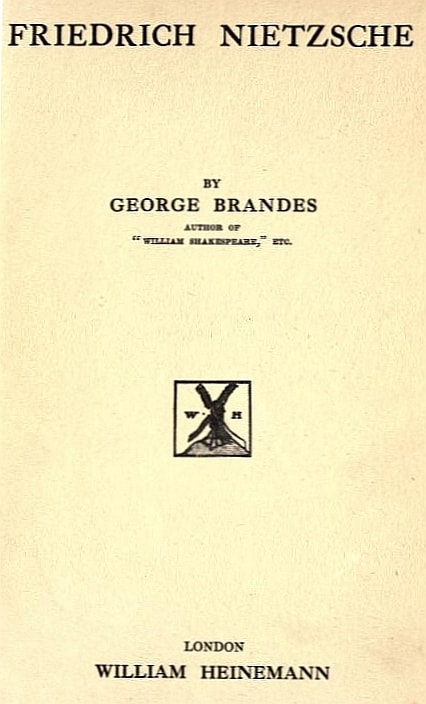
Friedrich Nietzsche
1909
Translated by Arthur G. (Arthur Grosvenor) Chater
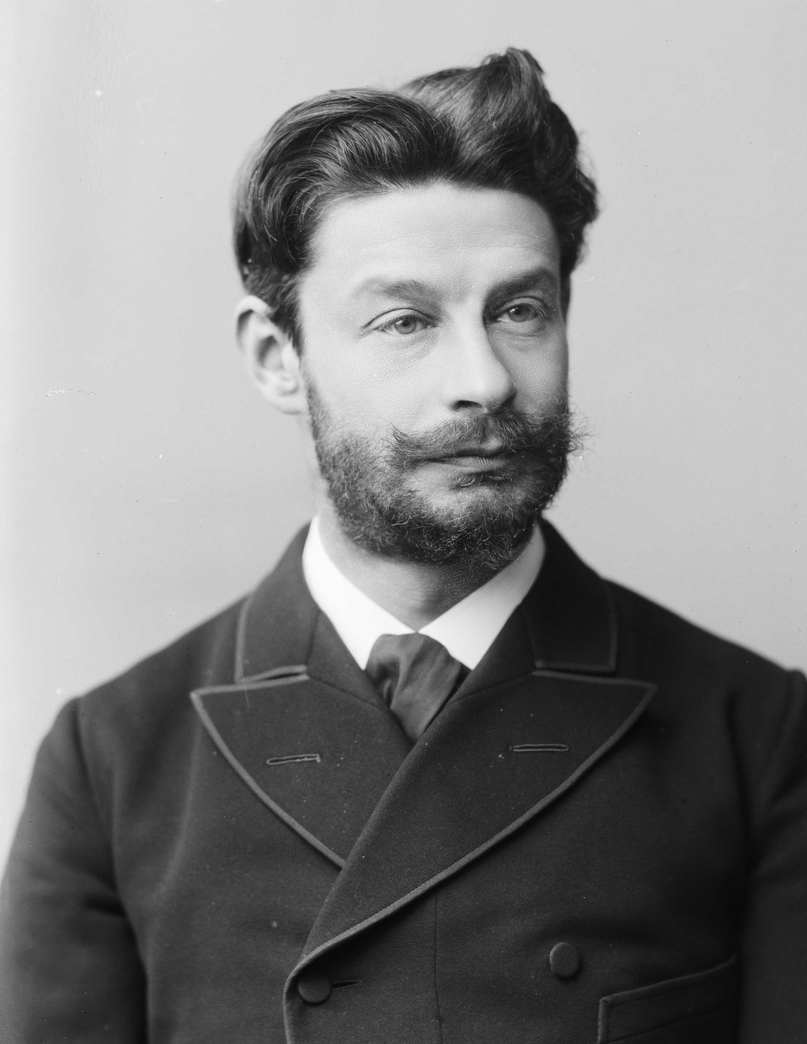
Georg Brandes wrote this book in 1909, just nine years after Nietzsche's mental collapse, and the proximity matters. Brandes had corresponded with Nietzsche directly, had hosted him in Copenhagen, and witnessed the philosopher's evolution from unknown classicist to the most dangerous thinker in Europe. This isn't a distant academic assessment but a front-row account from someone who knew the man and tracked his intellectual trajectory. Brandes traces Nietzsche's journey from his early academic career as a prodigy professor at Basel, through his break with Schopenhauer and Wagner, to his radical articulation of the will to power and the Übermensch. The book captures a crucial historical moment: before Nietzsche became a cultural lightning rod, before his sister twisted his work for ideological purposes, Brandes offers the clearest early portrait of a thinker who fundamentally challenged how we understand morality, culture, and human potential. For anyone seeking to understand Nietzsche's actual intellectual project, rather than the myths that accrued around it, this contemporary witness is indispensable.
Editions
X-Ray
“Kalian tak akan pernah bahagia karena kesalahan kalian di masa lalu.””
— Georg Brandes
Link to this book
Add a free, dofollow link to Lex on your blog, forum, syllabus, or reading list.

<a href="https://lex-books.com/book/friedrich-nietzsche-6ede026c-939f-4f82-ba4a-72e2e0f1702b"><img src="https://lex-books.com/badges/read-on-lex.svg" alt="Read Friedrich Nietzsche by Georg Brandes free on Lex" width="160" height="40"></a>[](https://lex-books.com/book/friedrich-nietzsche-6ede026c-939f-4f82-ba4a-72e2e0f1702b)[url=https://lex-books.com/book/friedrich-nietzsche-6ede026c-939f-4f82-ba4a-72e2e0f1702b][img]https://lex-books.com/badges/read-on-lex.svg[/img][/url]Read Friedrich Nietzsche by Georg Brandes free on Lex: https://lex-books.com/book/friedrich-nietzsche-6ede026c-939f-4f82-ba4a-72e2e0f1702bCite this book
Reading this edition for a paper or guide? Copy a citation.
Brandes, Georg. Friedrich Nietzsche. Lex, lex-books.com/book/friedrich-nietzsche-6ede026c-939f-4f82-ba4a-72e2e0f1702b.Brandes, G. (1909). Friedrich Nietzsche. Lex. https://lex-books.com/book/friedrich-nietzsche-6ede026c-939f-4f82-ba4a-72e2e0f1702bBrandes, Georg. Friedrich Nietzsche. Lex. https://lex-books.com/book/friedrich-nietzsche-6ede026c-939f-4f82-ba4a-72e2e0f1702b.