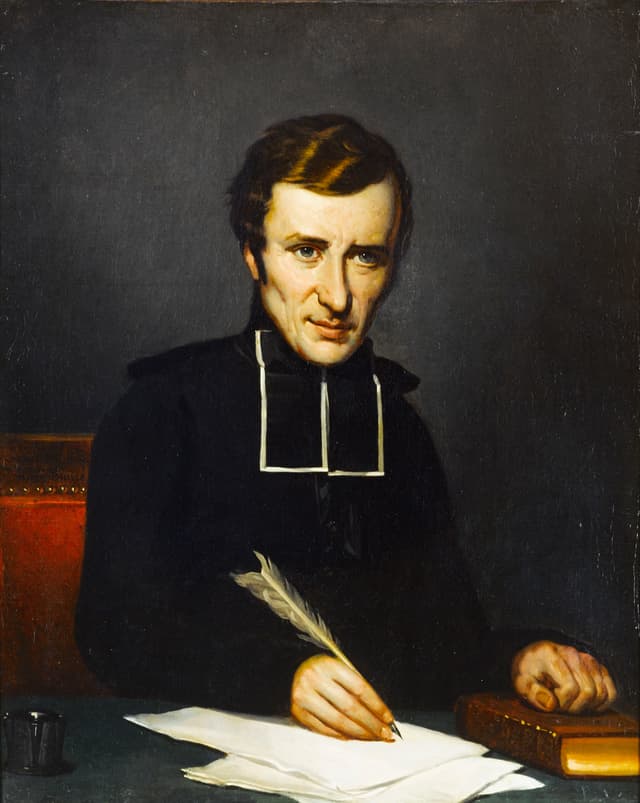
Félicité Robert de Lamennais
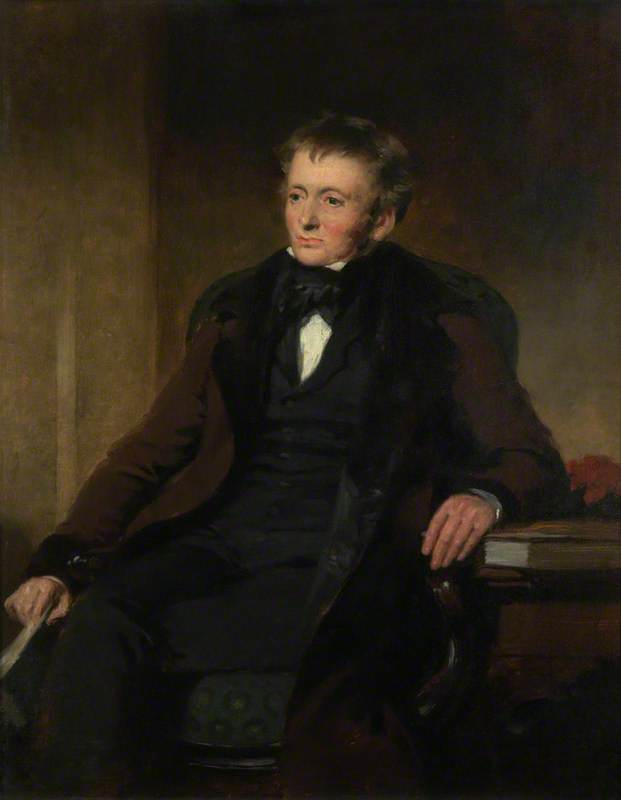
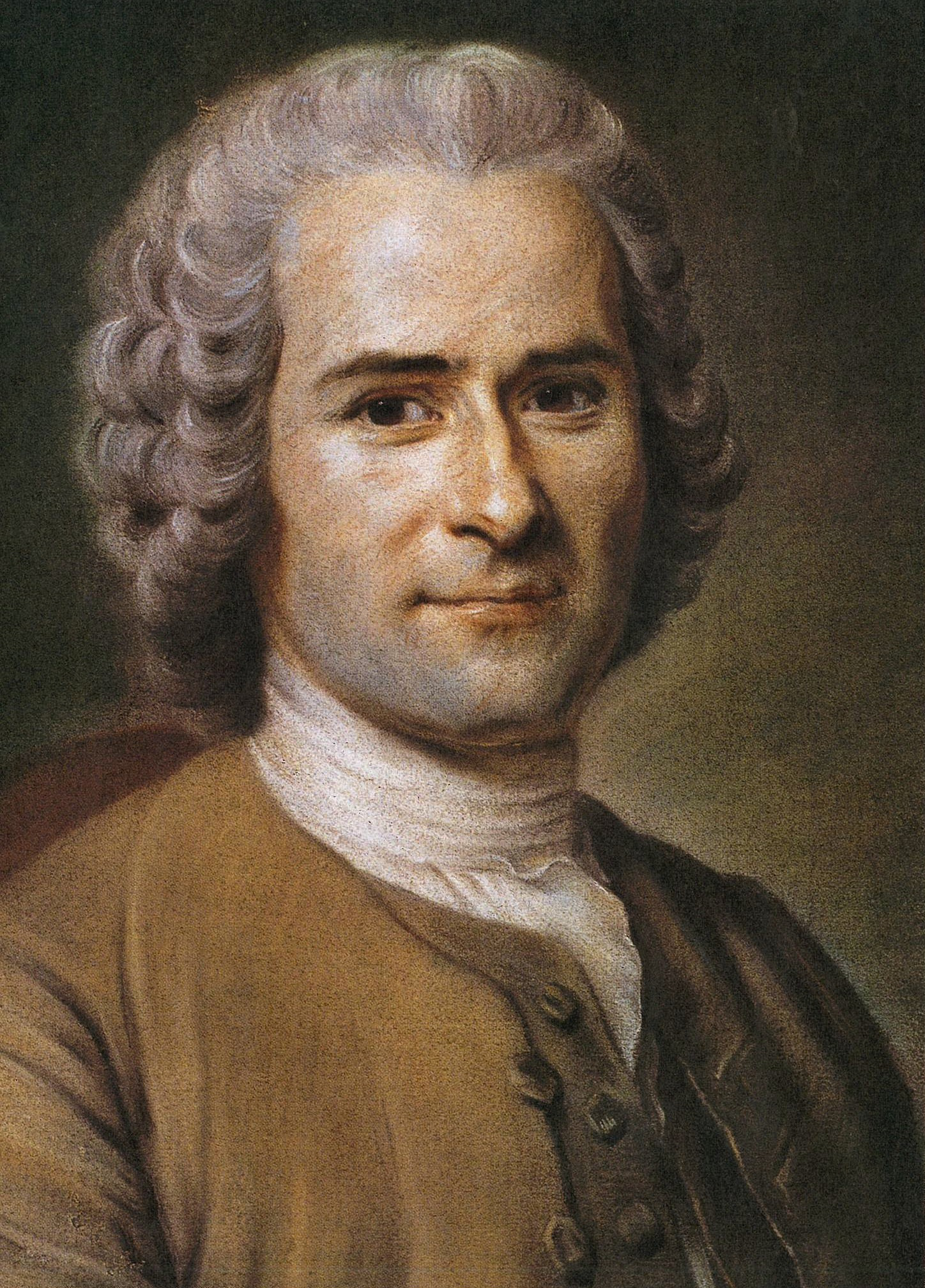
Félicité Robert de Lamennais was a French priest, philosopher, and writer known for his influential ideas on religion, politics, and society during the early 19th century. Born into a family of modest means in Saint-Malo, he initially pursued a career in the clergy, which deeply informed his later works. Lamennais became a prominent advocate for liberal Catholicism, arguing for the compatibility of faith and reason, and emphasizing the importance of individual conscience. His seminal works, such as 'Essai sur l'indifférence en matière de religion' and 'Paroles d'un croyant,' challenged the rigid doctrines of the Church and called for a more democratic and humane approach to spirituality and governance. Lamennais's writings not only stirred controversy but also laid the groundwork for modern Catholic thought and social justice movements. He was a precursor to later thinkers who sought to reconcile faith with the emerging ideals of liberty and equality. His advocacy for the rights of the individual and criticism of authoritarianism resonated with the revolutionary spirit of his time. Despite facing opposition from the Church, Lamennais's legacy endures, influencing both theological discourse and the development of liberal political thought in France and beyond.
Famous Quotes
View all 1 quotes“A ciência serve apenas para nos dar uma ideia da extensão da nossa ignorância””
Books from the author




Link to this page
Add a free, dofollow link to Lex on your blog, forum, syllabus, or reading list.

<a href="https://lex-books.com/author/félicité-robert-de-lamennais"><img src="https://lex-books.com/badges/read-on-lex.svg" alt="Félicité Robert de Lamennais on Lex" width="160" height="40"></a>[](https://lex-books.com/author/félicité-robert-de-lamennais)[url=https://lex-books.com/author/félicité-robert-de-lamennais][img]https://lex-books.com/badges/read-on-lex.svg[/img][/url]Félicité Robert de Lamennais on Lex: https://lex-books.com/author/félicité-robert-de-lamennais