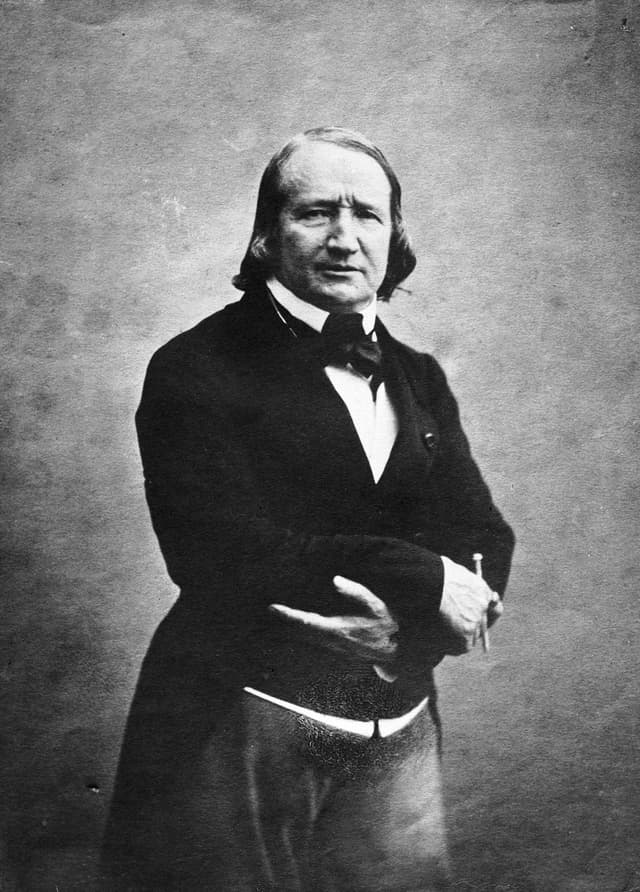
Alfred de Vigny
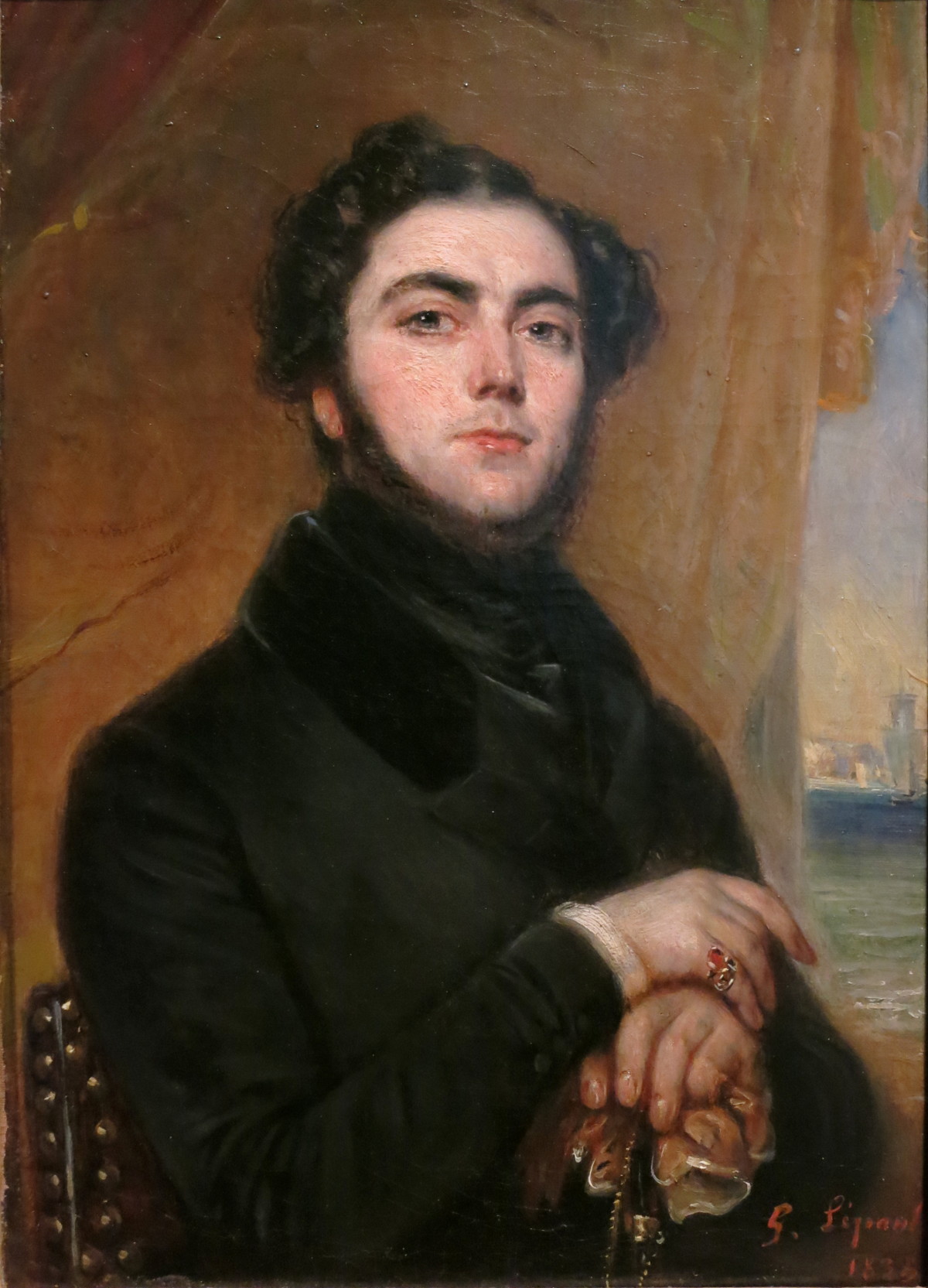
Alfred de Vigny was a prominent French poet and a key figure in the early Romantic movement. Born into an aristocratic family, he initially pursued a military career but soon turned to literature, where he found his true calling. Vigny's works often reflected his deep philosophical insights and his preoccupation with the human condition, as seen in his notable poems such as 'La Mort de Louis' and 'Le Cor'. He also wrote plays, including 'Chatterton' and 'Servitude et Grandeur militaires', which explored themes of honor and the struggles of the individual against societal constraints. Vigny's literary significance lies in his role as a precursor to later Romantic writers, influencing the trajectory of French literature. His introspective style and exploration of existential themes paved the way for future generations of poets and novelists. Additionally, his translations of Shakespeare introduced French audiences to the complexities of the Bard's work, further solidifying his impact on the literary landscape. Vigny's legacy endures as a foundational figure in Romanticism, whose works continue to be studied for their emotional depth and philosophical inquiry.
Famous Quotes
View all 3 quotes“I have a private theory, Sir, that there are no heroes and no monsters in this world. Only children should be allowed to use these words”
“I admit that I myself am far from having a complete command of every topic I touch on, but my knowledge of my subject is always greater than the interest or the understanding of my auditors. You see, there is one very good thing about mankind; the mediocre masses make very few demands of the mediocrities of a higher order, submitting stupidly and cheerfully to their guidance”
“The loveliest Muse in the world does not feed her owner; these girls make fine mistresses but terrible wives”
Books from the author
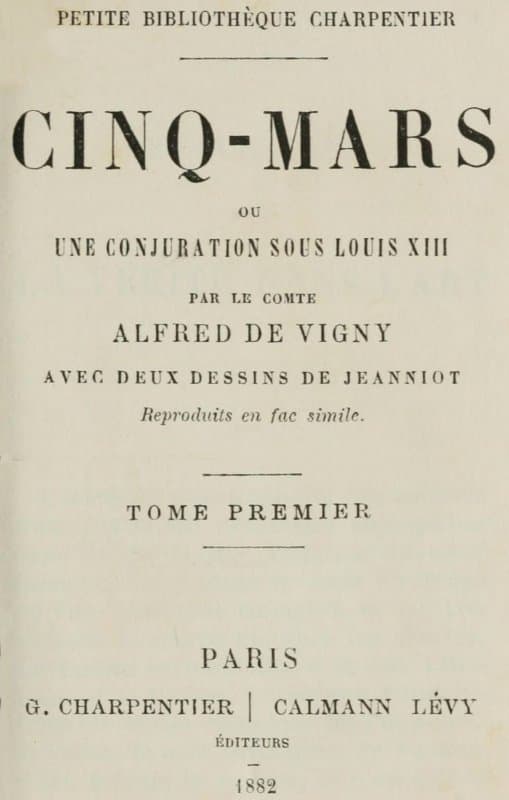
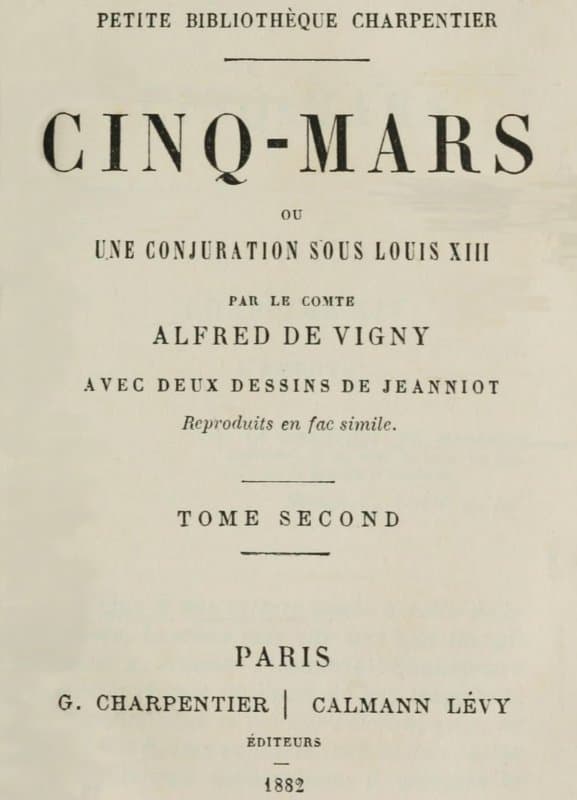





Link to this page
Add a free, dofollow link to Lex on your blog, forum, syllabus, or reading list.

<a href="https://lex-books.com/author/alfred-de-vigny"><img src="https://lex-books.com/badges/read-on-lex.svg" alt="Alfred de Vigny on Lex" width="160" height="40"></a>[](https://lex-books.com/author/alfred-de-vigny)[url=https://lex-books.com/author/alfred-de-vigny][img]https://lex-books.com/badges/read-on-lex.svg[/img][/url]Alfred de Vigny on Lex: https://lex-books.com/author/alfred-de-vigny