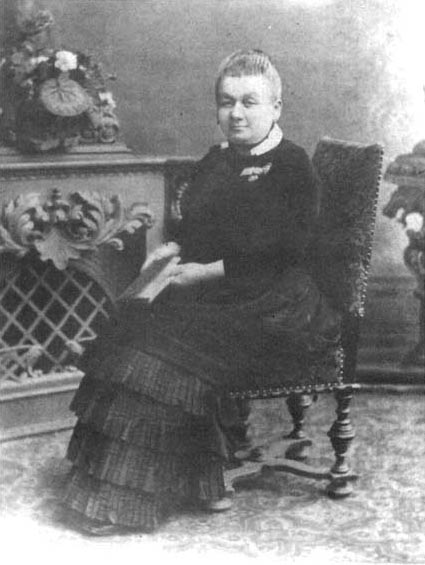
Friederike Kempner
Friederike Kempner was a German-Jewish poet whose work emerged from a sheltered upbringing in a well-off family in Kępno, Poland. Born in Opatów, she received a robust education in literature and the Jewish Enlightenment from her mother. In 1864, she established her own residence at the family estate, Friederikenhof, where she devoted herself to writing. Kempner's literary output included a variety of pamphlets, novellas, and plays, though her work did not receive significant attention from critics during her lifetime. Her poetry often reflected her deep humanitarian concerns, particularly regarding hygiene and prison reform, as well as her advocacy for the abolition of solitary confinement, which was a pressing issue of her time. Kempner's personal experiences, including the profound impact of her parents' deaths in 1868, shaped her literary voice and thematic focus. She was also known for her unique perspective on life and death, influenced by her own fears of being buried alive, which led her to campaign for morgues and waiting periods in cases of suspended animation. Despite her extensive oeuvre, Kempner's contributions to literature have largely been overlooked, yet she remains a significant figure for her early engagement with social issues and her exploration of the human condition through poetry and prose.
Books from the author



Link to this page
Add a free, dofollow link to Lex on your blog, forum, syllabus, or reading list.

<a href="https://lex-books.com/author/friederike-kempner"><img src="https://lex-books.com/badges/read-on-lex.svg" alt="Friederike Kempner on Lex" width="160" height="40"></a>[](https://lex-books.com/author/friederike-kempner)[url=https://lex-books.com/author/friederike-kempner][img]https://lex-books.com/badges/read-on-lex.svg[/img][/url]Friederike Kempner on Lex: https://lex-books.com/author/friederike-kempner