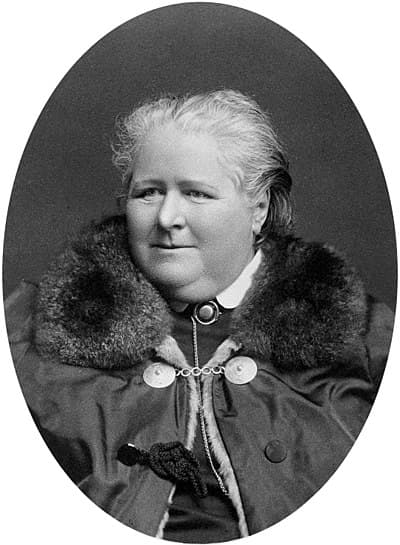
Frances Power Cobbe
Frances Power Cobbe was an influential Anglo-Irish writer, philosopher, and social reformer known for her passionate advocacy for women's rights and animal welfare. Born into a well-to-do family, she became a prominent figure in the women's suffrage movement, serving on the executive council of the London National Society for Women's Suffrage. Cobbe's writings often explored themes of morality, ethics, and the human condition, reflecting her deep commitment to social justice and reform. Her philosophical works, such as 'The Scientific Spirit of the Age' and 'Darwinism in Morals,' challenged contemporary views and contributed to the discourse on morality and science during her time. In addition to her literary contributions, Cobbe was a pioneering anti-vivisectionist, founding the National Anti-Vivisection Society in 1875 and the British Union for the Abolition of Vivisection in 1898. Her activism was instrumental in raising awareness about animal rights and the ethical implications of scientific experimentation. Cobbe's legacy endures through her writings and her relentless pursuit of social change, making her a significant figure in both the feminist and animal rights movements of the 19th century.
Famous Quotes
View all 2 quotes“My great panacea for making society at once better and more enjoyable would be to cultivate greater sincerity.”
“Pardon me; I must seem to you so stupid! Why is the property of the woman who commits Murder, and the property of the woman who commits Matrimony, dealt with alike by your law?”
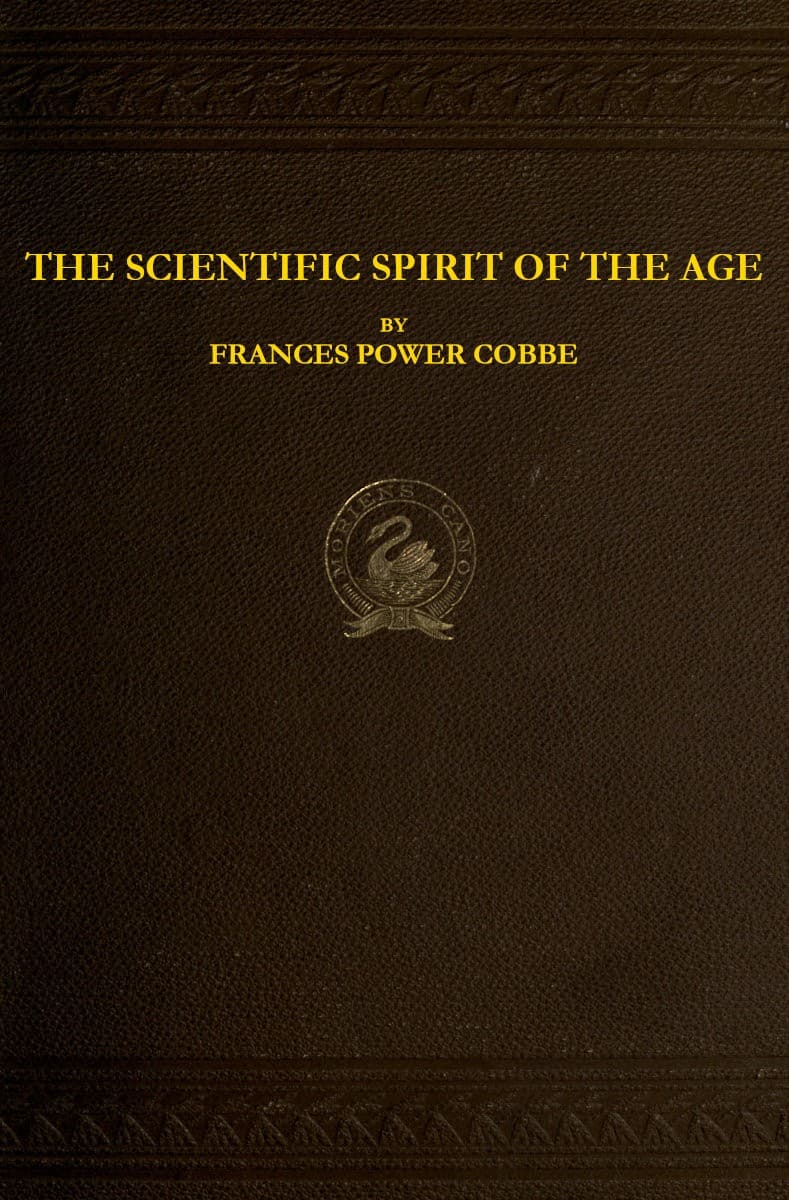
Books from the author



Link to this page
Add a free, dofollow link to Lex on your blog, forum, syllabus, or reading list.

<a href="https://lex-books.com/author/frances-power-cobbe"><img src="https://lex-books.com/badges/read-on-lex.svg" alt="Frances Power Cobbe on Lex" width="160" height="40"></a>[](https://lex-books.com/author/frances-power-cobbe)[url=https://lex-books.com/author/frances-power-cobbe][img]https://lex-books.com/badges/read-on-lex.svg[/img][/url]Frances Power Cobbe on Lex: https://lex-books.com/author/frances-power-cobbe