
Fitz-Greene Halleck
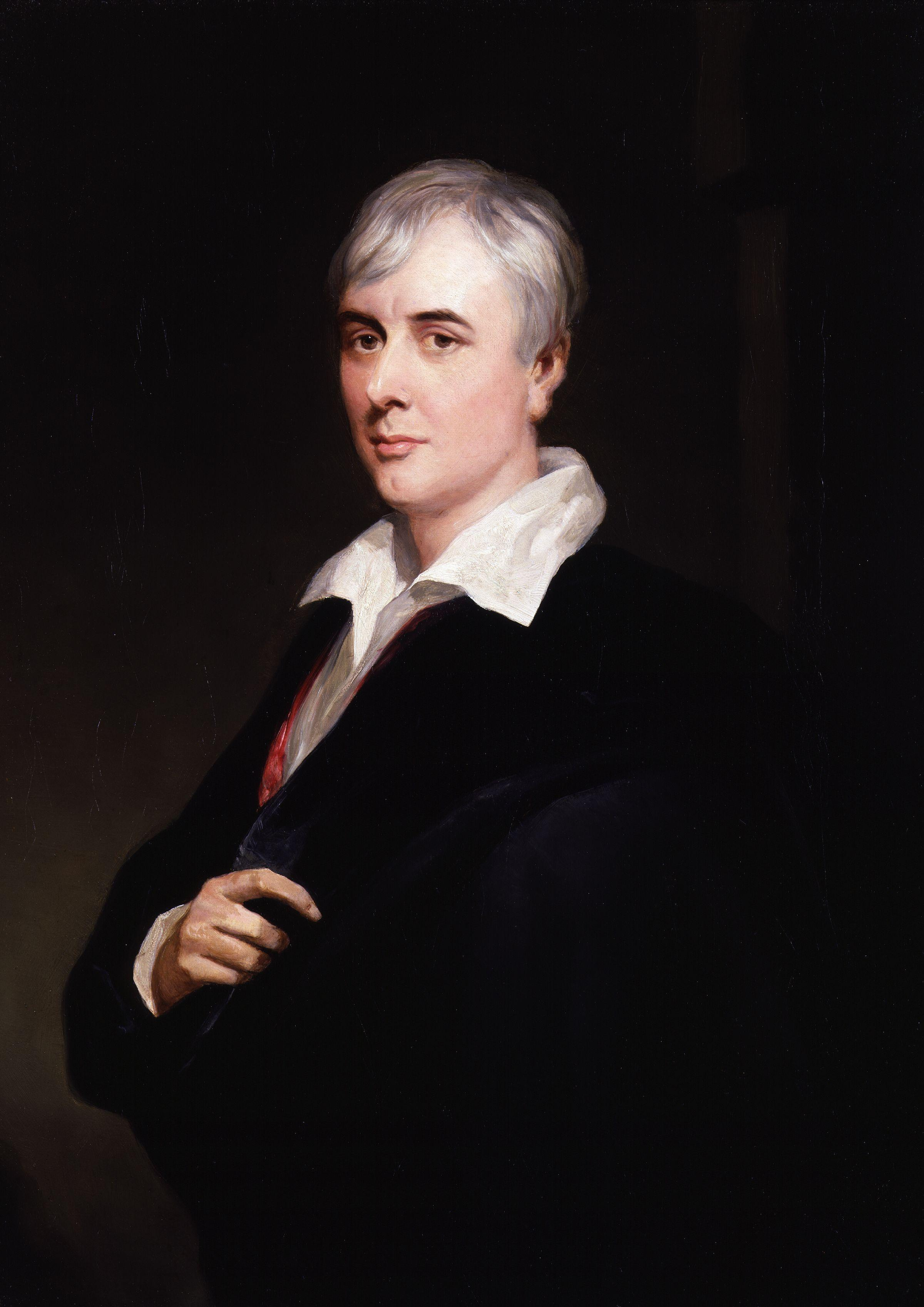
Fitz-Greene Halleck was an influential American poet and a prominent member of the Knickerbocker Group, known for his lyrical and often romantic verse. Born in Guilford, Connecticut, he moved to New York City at the age of twenty, where he became a cultural figure and was sometimes referred to as 'the American Byron.' His poetry, characterized by its emotional depth and social commentary, gained significant popularity during his lifetime, with notable works such as 'Alnwick Castle' and 'The Croakers.' However, as literary tastes shifted, his work fell out of favor, only to be revisited in the late twentieth century for its exploration of homosexual themes and insights into the complexities of nineteenth-century society. In 1832, Halleck's prominence led him to serve as the personal secretary and adviser to the philanthropist John Jacob Astor, who recognized his talents and appointed him as one of the original trustees of the Astor Library. This position afforded Halleck a comfortable living, and in 1849, he retired to his hometown of Guilford, where he spent his later years with his sister, Marie. Despite the decline in his popularity, Halleck's contributions to American poetry and his role in the literary circles of his time have garnered renewed interest, solidifying his legacy as a significant figure in the landscape of early American literature.
Books from the author

Link to this page
Add a free, dofollow link to Lex on your blog, forum, syllabus, or reading list.

<a href="https://lex-books.com/author/fitz-greene-halleck"><img src="https://lex-books.com/badges/read-on-lex.svg" alt="Fitz-Greene Halleck on Lex" width="160" height="40"></a>[](https://lex-books.com/author/fitz-greene-halleck)[url=https://lex-books.com/author/fitz-greene-halleck][img]https://lex-books.com/badges/read-on-lex.svg[/img][/url]Fitz-Greene Halleck on Lex: https://lex-books.com/author/fitz-greene-halleck