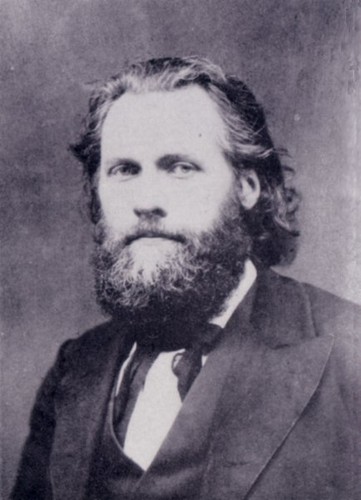
Ferdinand Domela Nieuwenhuis
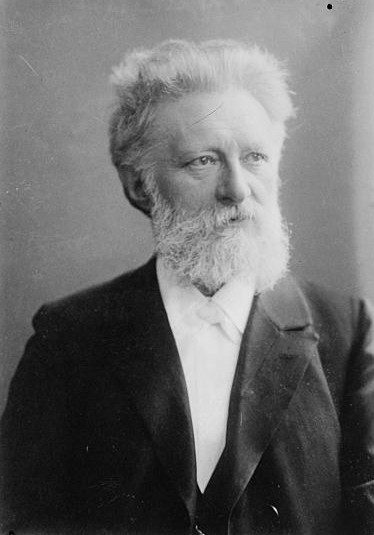
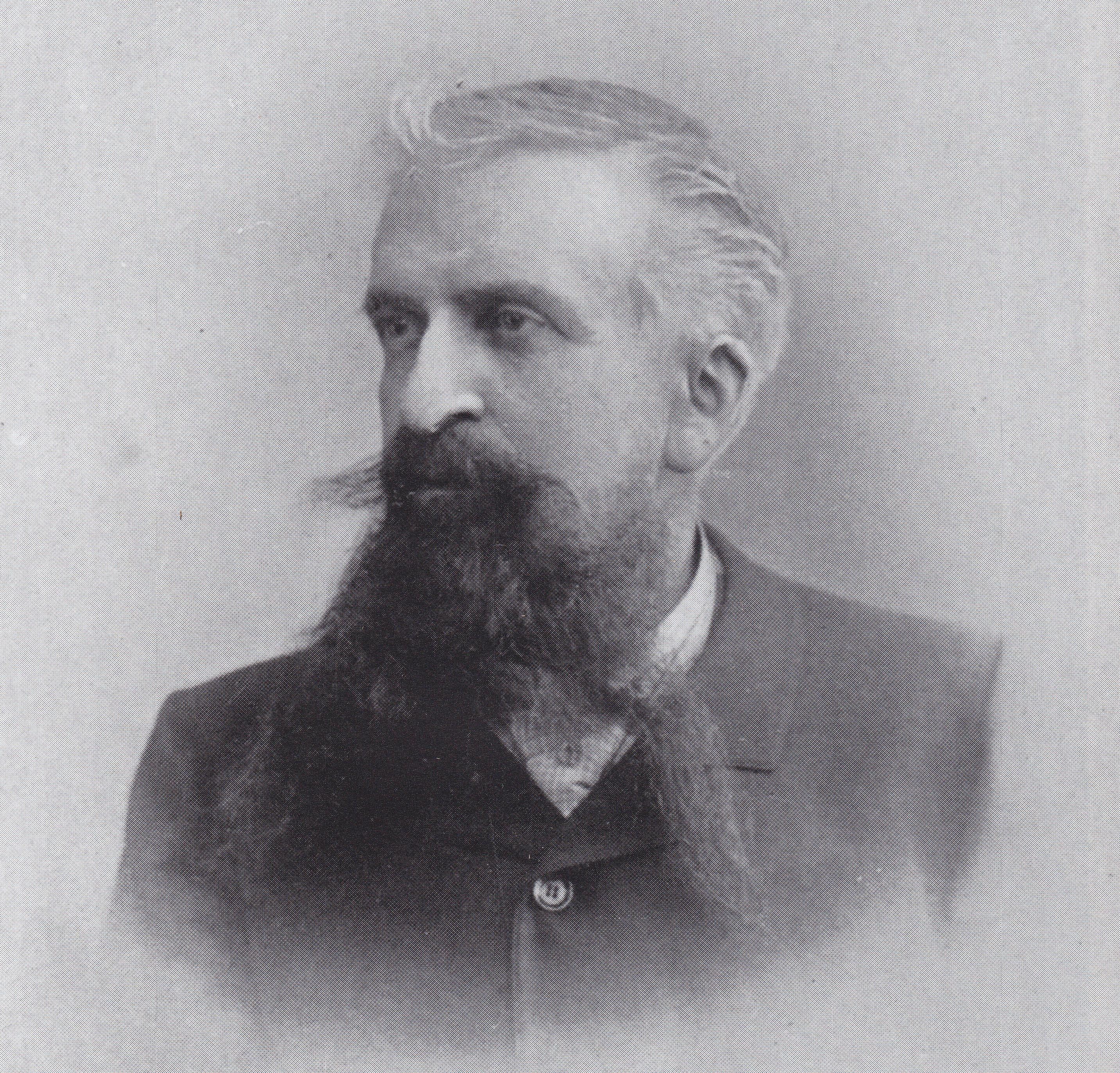
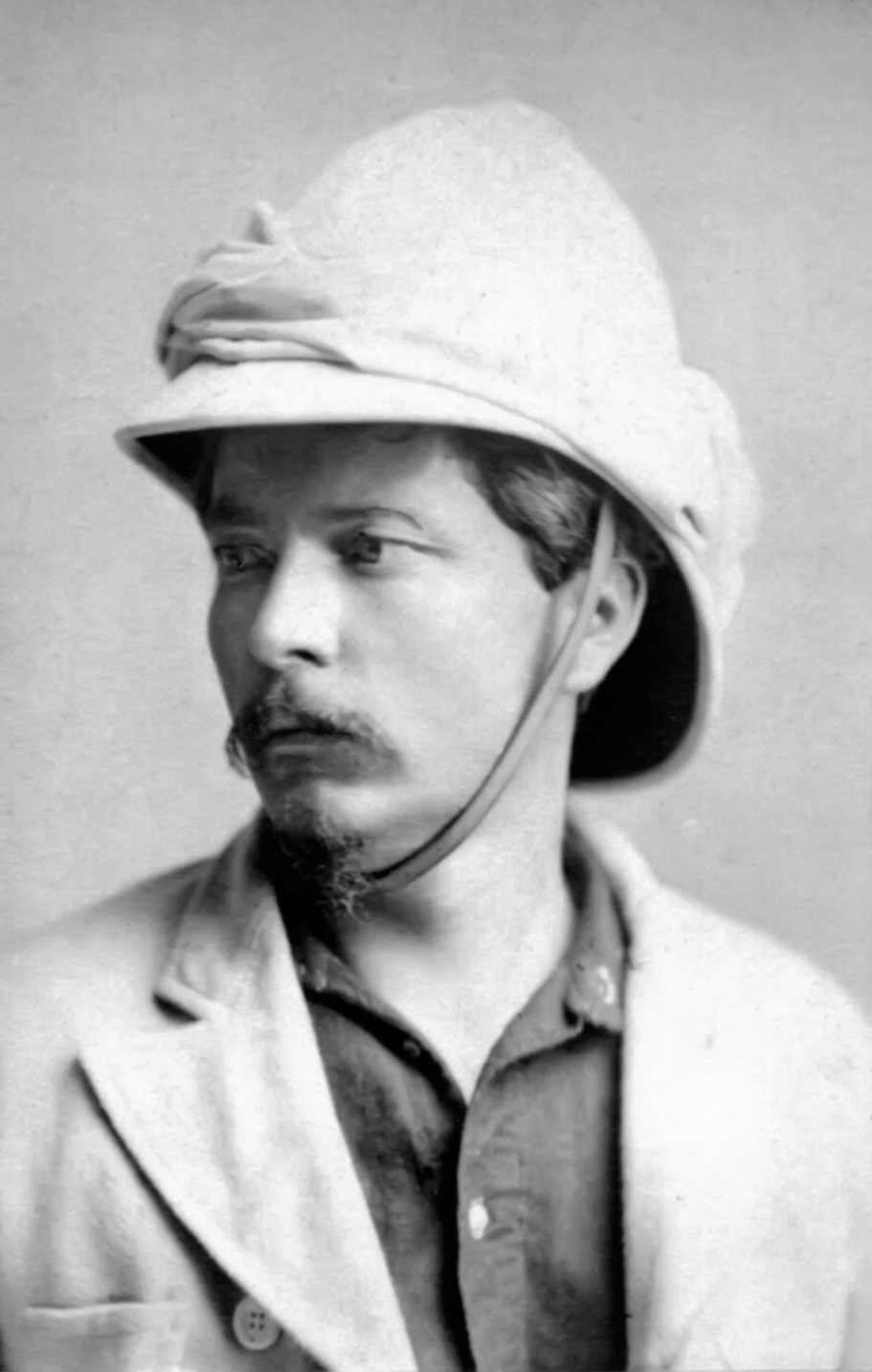
Ferdinand Domela Nieuwenhuis was a pivotal figure in the Dutch socialist movement, known for his transition from a Lutheran preacher to a passionate advocate for workers' rights. After losing his faith, he dedicated his life to political activism, becoming the first socialist elected to the Dutch parliament. His commitment to social justice and anti-militarism positioned him as a prominent voice in the early socialist landscape of the Netherlands. Nieuwenhuis's writings and speeches articulated the struggles of the working class, influencing the development of socialist thought in the country. As a founder of the Dutch socialist movement, Nieuwenhuis played a crucial role in shaping the political discourse of his time. His advocacy for social anarchism and his critiques of militarism resonated with many, making him a controversial yet significant figure in the early 20th century. His legacy endures in the continued relevance of his ideas regarding social equity and workers' rights, marking him as a key contributor to the broader socialist and anarchist movements in Europe.
Books from the author



Link to this page
Add a free, dofollow link to Lex on your blog, forum, syllabus, or reading list.

<a href="https://lex-books.com/author/ferdinand-domela-nieuwenhuis"><img src="https://lex-books.com/badges/read-on-lex.svg" alt="Ferdinand Domela Nieuwenhuis on Lex" width="160" height="40"></a>[](https://lex-books.com/author/ferdinand-domela-nieuwenhuis)[url=https://lex-books.com/author/ferdinand-domela-nieuwenhuis][img]https://lex-books.com/badges/read-on-lex.svg[/img][/url]Ferdinand Domela Nieuwenhuis on Lex: https://lex-books.com/author/ferdinand-domela-nieuwenhuis