
Felix Mendelssohn-Bartholdy
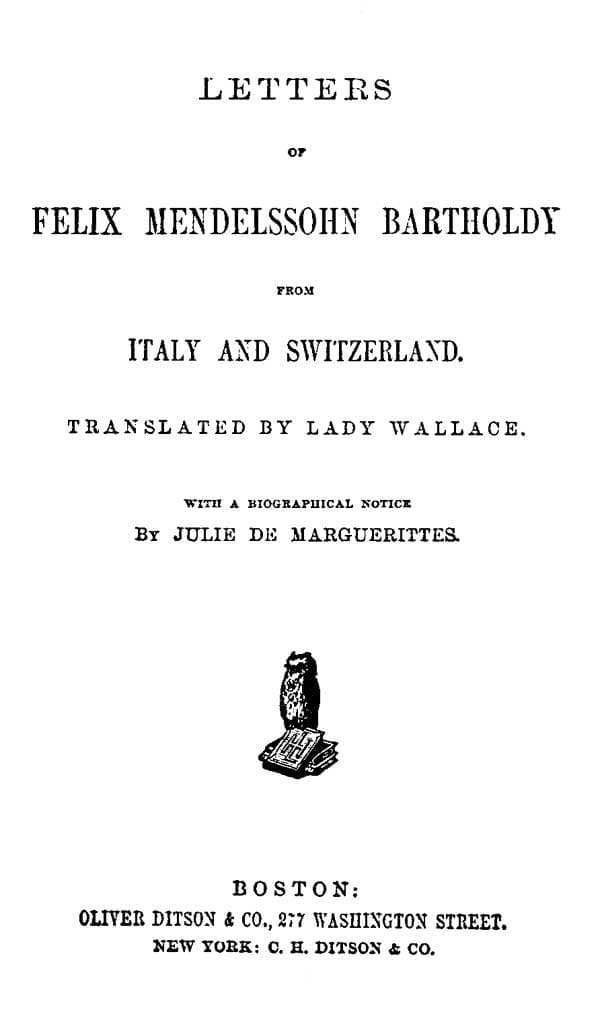
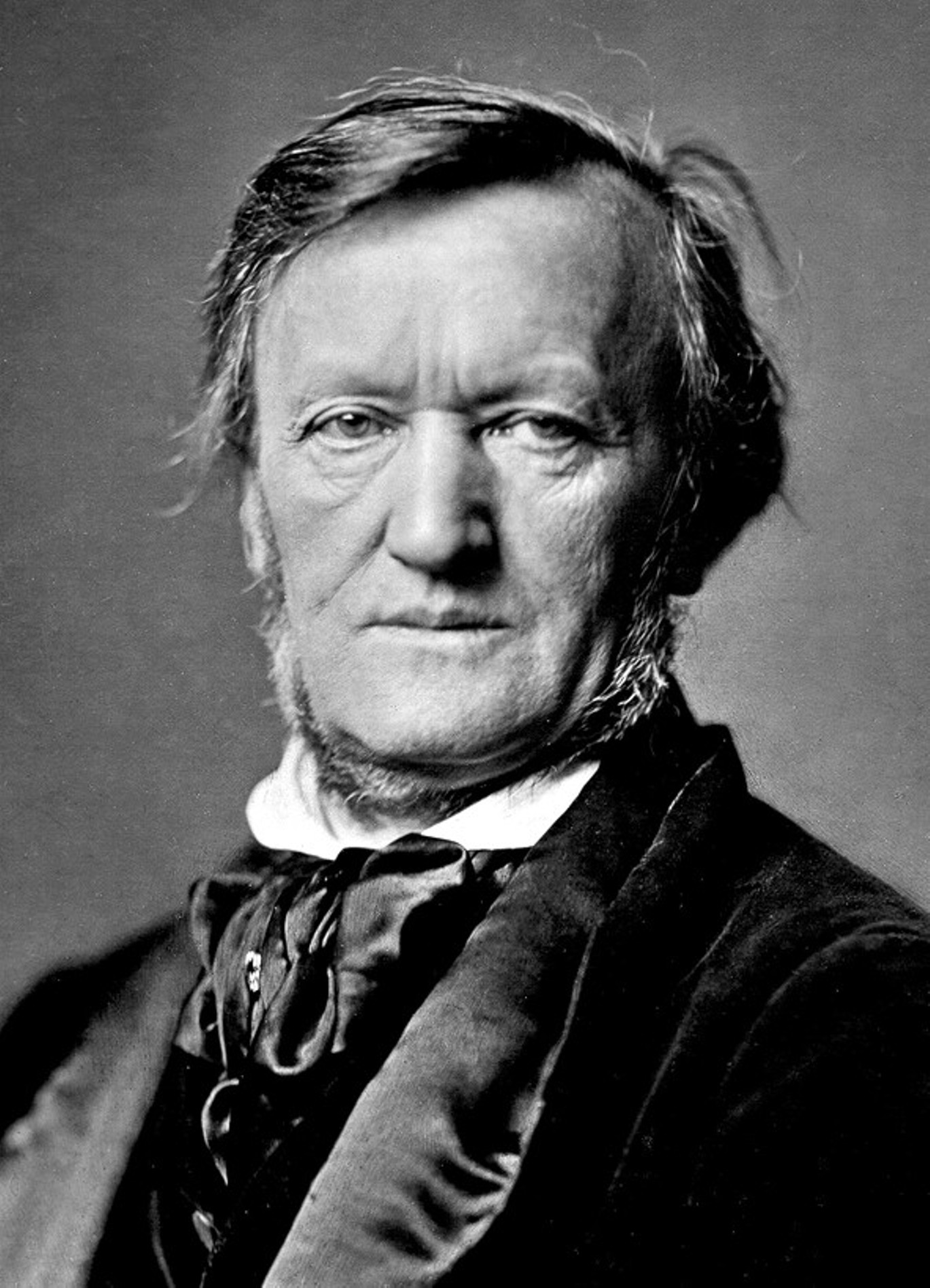
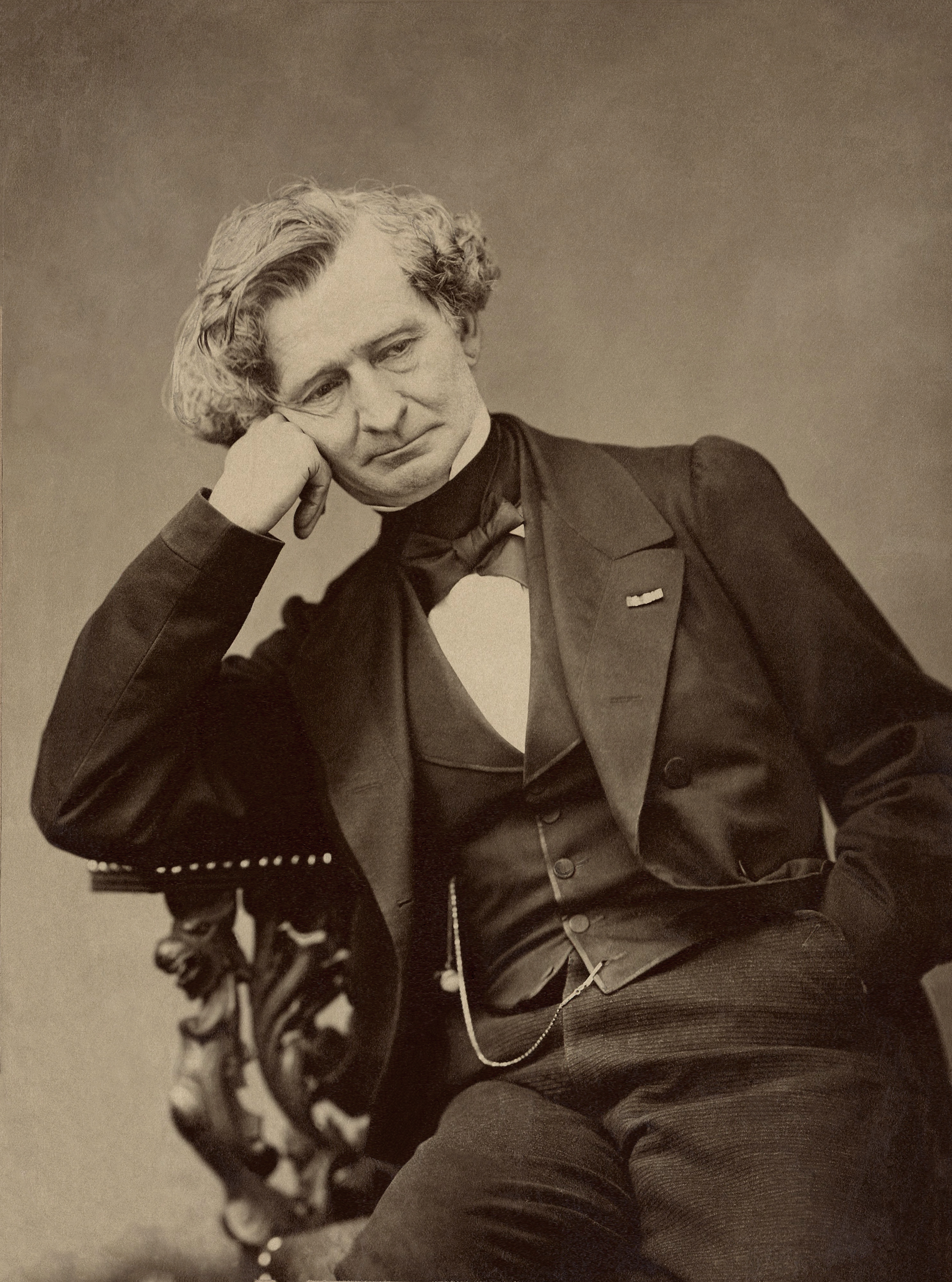
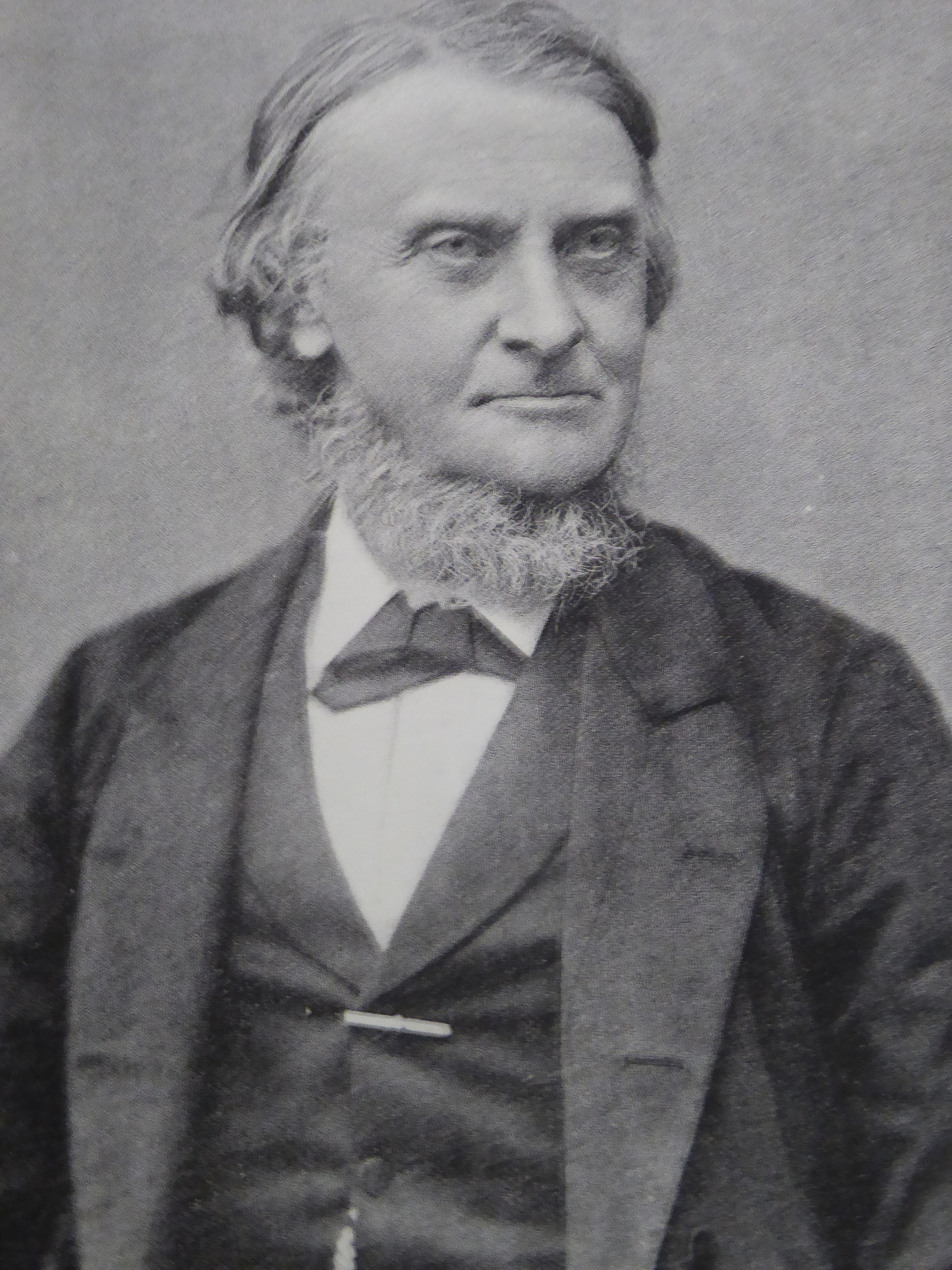
Felix Mendelssohn Bartholdy was a prominent German composer, pianist, organist, and conductor of the early Romantic period, recognized for his remarkable contributions to classical music. Born into a cultured family, he displayed prodigious musical talent from an early age, receiving a comprehensive education that included both music and the arts. Mendelssohn's most celebrated works include the overture and incidental music for 'A Midsummer Night's Dream,' which features the iconic 'Wedding March,' as well as the 'Italian' and 'Scottish' Symphonies, the oratorios 'St. Paul' and 'Elijah,' and the Hebrides Overture. His 'Songs Without Words' remain some of the most beloved pieces in the solo piano repertoire, showcasing his lyrical style and innovative harmonic language. Mendelssohn played a crucial role in reviving interest in the music of Johann Sebastian Bach, particularly through his acclaimed performance of the 'St. Matthew Passion' in 1829, which marked a turning point in Bach's reception in the 19th century. His travels across Europe, especially his ten visits to Britain, were instrumental in establishing his reputation as a leading composer and conductor. Despite his success, Mendelssohn's conservative musical tastes often set him apart from his more radical contemporaries, such as Wagner and Liszt. He founded the Leipzig Conservatory, which became a center for traditional musical education and a counterbalance to the avant-garde movements of his time. Mendelssohn's legacy endures through his influential works and his role in shaping the future of Western classical music.
Books from the author







Link to this page
Add a free, dofollow link to Lex on your blog, forum, syllabus, or reading list.

<a href="https://lex-books.com/author/felix-mendelssohn-bartholdy"><img src="https://lex-books.com/badges/read-on-lex.svg" alt="Felix Mendelssohn-Bartholdy on Lex" width="160" height="40"></a>[](https://lex-books.com/author/felix-mendelssohn-bartholdy)[url=https://lex-books.com/author/felix-mendelssohn-bartholdy][img]https://lex-books.com/badges/read-on-lex.svg[/img][/url]Felix Mendelssohn-Bartholdy on Lex: https://lex-books.com/author/felix-mendelssohn-bartholdy