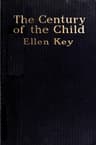
The Century of the Child
1900
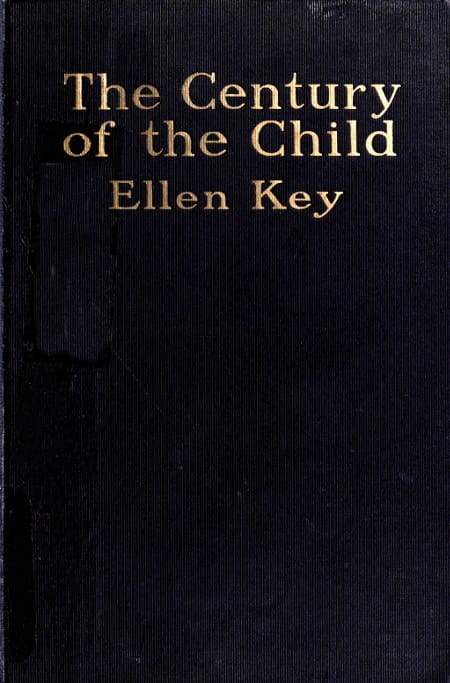
The Century of the Child
1900
Translated by Francis Maro
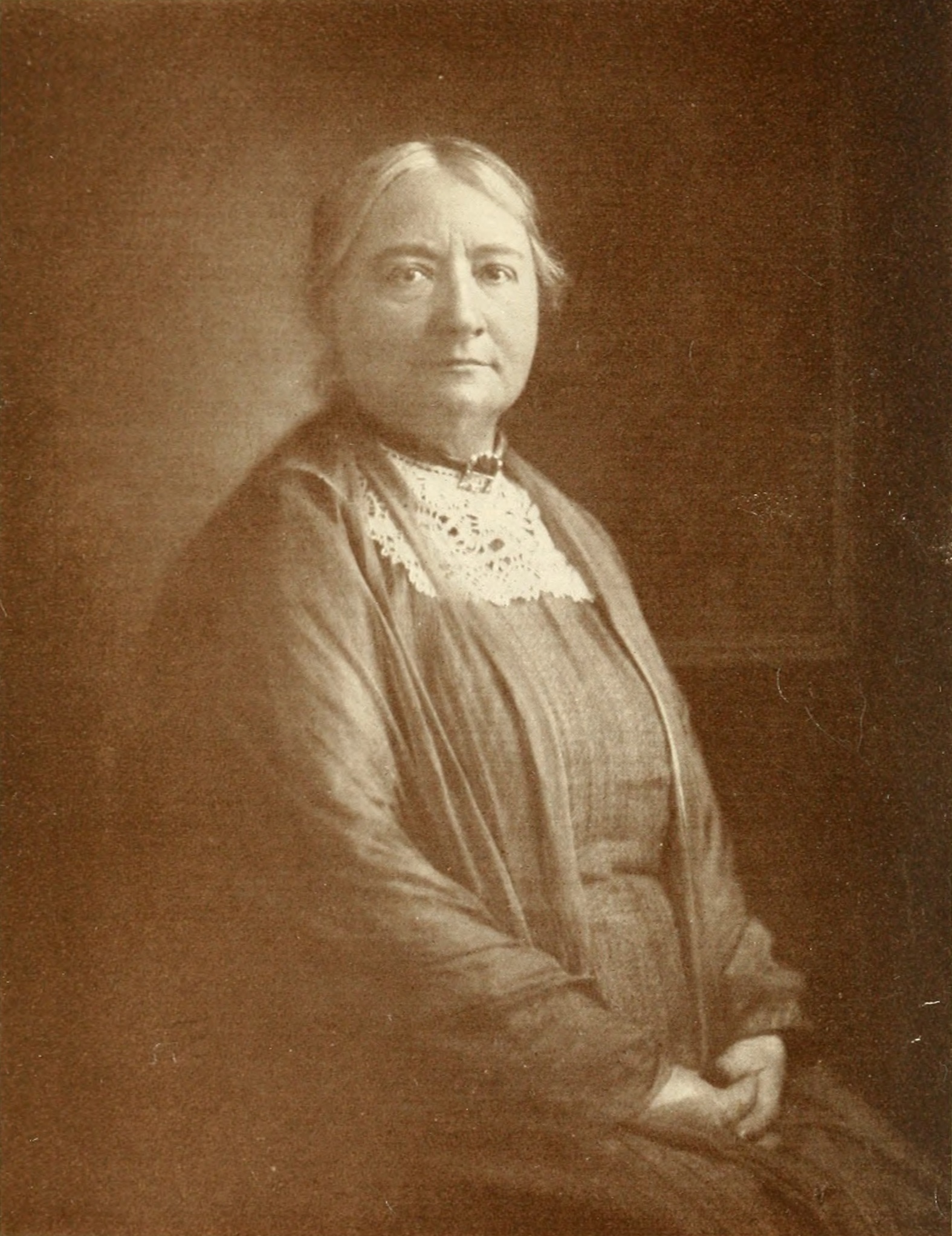
At the turn of the twentieth century, Swedish reformer Ellen Key made a bold prediction: the coming century would belong to the child. Written as a manifesto for a new approach to childhood, The Century of the Child pulses with revolutionary conviction that society must fundamentally restructure itself around the needs and rights of the young. Key argued that children had been too long treated as extensions of their parents, little beings to be shaped and controlled rather than individuals to be understood. She called for education that respected the child's nature, for an end to child labor, for the protection of mothers, and for a radical redefinition of what it meant to parent. Her vision was controversial - she even suggested children might choose their parents - but it was also electrifying. The book became an international bestseller and helped shape modern attitudes toward childhood, education, and children's rights. A century later, Key's central claim still provokes: what kind of world would we build if we truly put children first?
Editions
Link to this book
Add a free, dofollow link to Lex on your blog, forum, syllabus, or reading list.

<a href="https://lex-books.com/book/the-century-of-the-child-3f5bbb2e-afd6-485a-8b76-e544d7fffa2f"><img src="https://lex-books.com/badges/read-on-lex.svg" alt="Read The Century of the Child by Ellen Key free on Lex" width="160" height="40"></a>[](https://lex-books.com/book/the-century-of-the-child-3f5bbb2e-afd6-485a-8b76-e544d7fffa2f)[url=https://lex-books.com/book/the-century-of-the-child-3f5bbb2e-afd6-485a-8b76-e544d7fffa2f][img]https://lex-books.com/badges/read-on-lex.svg[/img][/url]Read The Century of the Child by Ellen Key free on Lex: https://lex-books.com/book/the-century-of-the-child-3f5bbb2e-afd6-485a-8b76-e544d7fffa2fCite this book
Reading this edition for a paper or guide? Copy a citation.
Key, Ellen. The Century of the Child. Lex, lex-books.com/book/the-century-of-the-child-3f5bbb2e-afd6-485a-8b76-e544d7fffa2f.Key, E. (1900). The Century of the Child. Lex. https://lex-books.com/book/the-century-of-the-child-3f5bbb2e-afd6-485a-8b76-e544d7fffa2fKey, Ellen. The Century of the Child. Lex. https://lex-books.com/book/the-century-of-the-child-3f5bbb2e-afd6-485a-8b76-e544d7fffa2f.