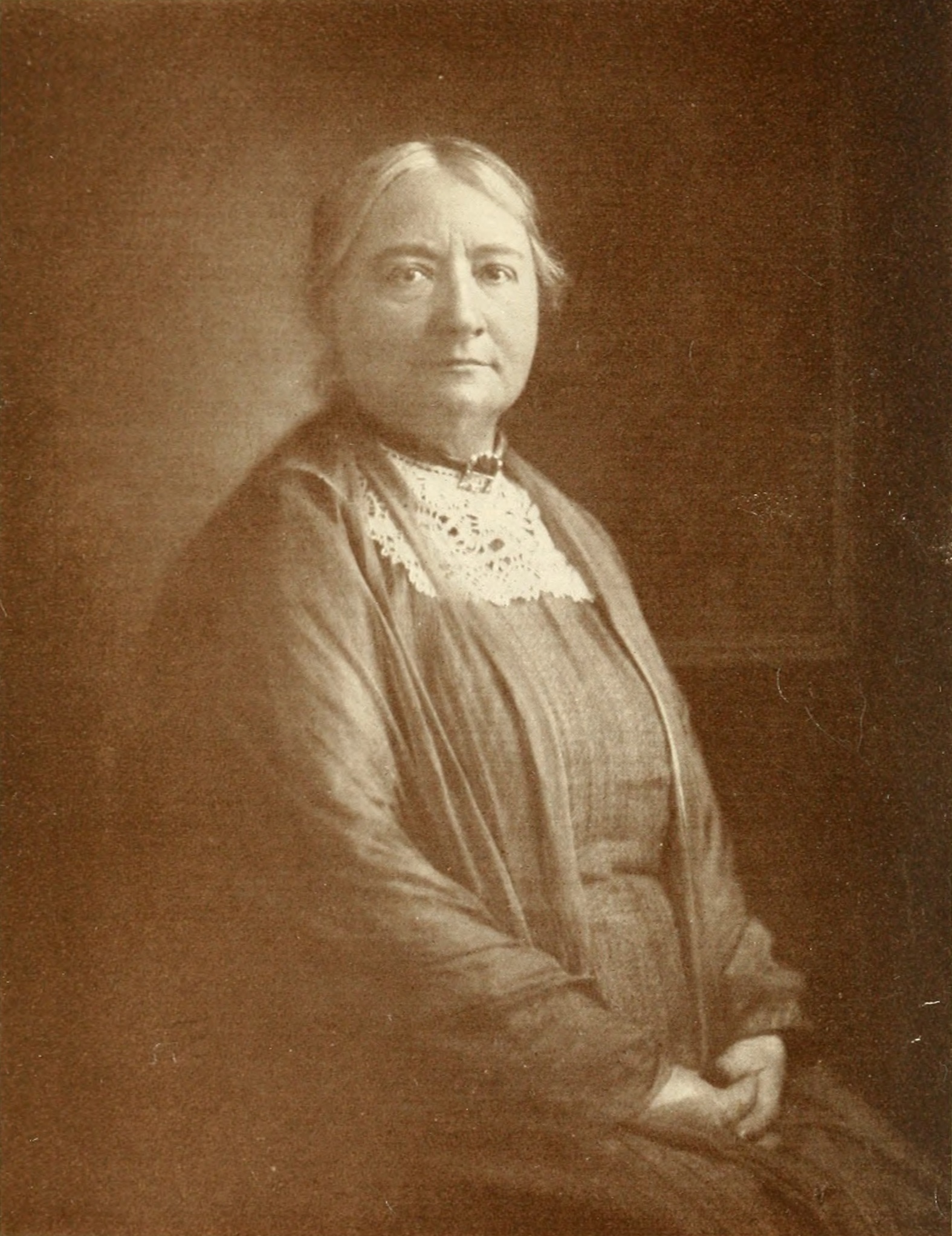
Skönhet För Alla: Fyra Uppsatser
1899
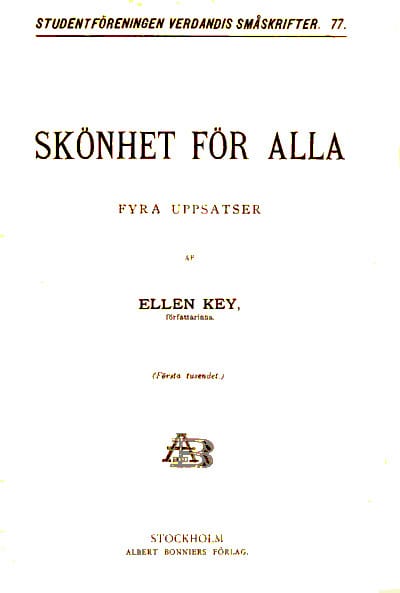
Ellen Key's 1899 manifesto argues something that still feels radical over a century later: beauty is not a privilege but a fundamental human right. Writing at the turn of the century, this Swedish reformer observed how industrialization had created a world of ugly worker housing while the wealthy drowned in ornamental excess. Her four essays mount a passionate case that everyone, regardless of class, deserves to live surrounded by beauty, just as everyone deserves food and shelter. Key critiques the decorative overkill of Victorian interiors with sharp precision, advocating instead for simplicity, function, and honest design. She believed that beautiful surroundings cultivate beautiful lives, that the tea cup you drink from and the room you inhabit shape your soul. This is design democratization before the term existed, a vision that influenced generations of Scandinavian aesthetics. For readers interested in the roots of modern design thinking and the history of accessibility movements, Key's arguments remain surprisingly fresh.
Editions
Link to this book
Add a free, dofollow link to Lex on your blog, forum, syllabus, or reading list.

<a href="https://lex-books.com/book/sk-nhet-f-r-alla-fyra-uppsatser-03bd446c-9e4c-43e8-8f3f-0cdbfa64a727"><img src="https://lex-books.com/badges/read-on-lex.svg" alt="Read Skönhet För Alla: Fyra Uppsatser by Ellen Key free on Lex" width="160" height="40"></a>[](https://lex-books.com/book/sk-nhet-f-r-alla-fyra-uppsatser-03bd446c-9e4c-43e8-8f3f-0cdbfa64a727)[url=https://lex-books.com/book/sk-nhet-f-r-alla-fyra-uppsatser-03bd446c-9e4c-43e8-8f3f-0cdbfa64a727][img]https://lex-books.com/badges/read-on-lex.svg[/img][/url]Read Skönhet För Alla: Fyra Uppsatser by Ellen Key free on Lex: https://lex-books.com/book/sk-nhet-f-r-alla-fyra-uppsatser-03bd446c-9e4c-43e8-8f3f-0cdbfa64a727Cite this book
Reading this edition for a paper or guide? Copy a citation.
Key, Ellen. Skönhet För Alla: Fyra Uppsatser. Lex, lex-books.com/book/sk-nhet-f-r-alla-fyra-uppsatser-03bd446c-9e4c-43e8-8f3f-0cdbfa64a727.Key, E. (1899). Skönhet För Alla: Fyra Uppsatser. Lex. https://lex-books.com/book/sk-nhet-f-r-alla-fyra-uppsatser-03bd446c-9e4c-43e8-8f3f-0cdbfa64a727Key, Ellen. Skönhet För Alla: Fyra Uppsatser. Lex. https://lex-books.com/book/sk-nhet-f-r-alla-fyra-uppsatser-03bd446c-9e4c-43e8-8f3f-0cdbfa64a727.