'He Giveth His Beloved Sleep
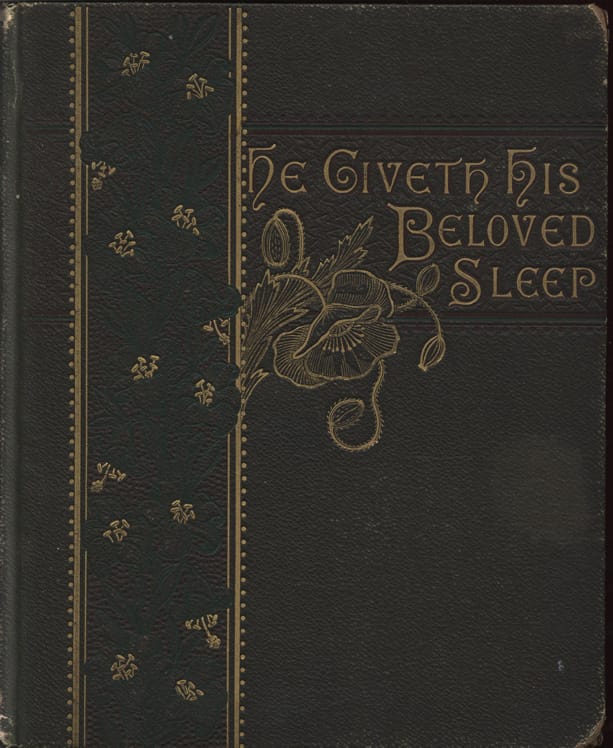
Written in 1850 as part of her "Poems Before Congress," this modified sonnet sequence stands as one of Browning's most deeply personal acts of faith. The poem takes its title from Psalm 127:2 and builds toward its famous central image: that God will not break the bruised reed or quench the smoking flax, but instead gives sleep to his beloved as an act of tender mercy. What elevates this beyond simple devotional verse is Browning's unflinching acknowledgment of suffering, her refusal to offer cheap comfort. She knows the world's noise and sorrow intimately. Yet she insists, with quiet authority, that sleep - that daily rehearsal for death - is a grace offered to the weary. The poem's power lies in its double vision: it is both a lullaby for the living and a promise of peace for those who have finished their earthly labor. For readers navigating insomnia, grief, or simply the exhaustion of being human, these lines have served as spiritual companions for over a century and a half. Browning, who famously defied convention by eloping with Robert Browning and exile from her wealthy family, brings that same fierce tenderness to this meditation on rest. It is not escape; it is surrender to something larger than oneself.
Editions
X-Ray
“...But the child's sob in silence curses deeper / Than the strong man in his wrath.””
— Elizabeth Barrett Browning
Link to this book
Add a free, dofollow link to Lex on your blog, forum, syllabus, or reading list.

<a href="https://lex-books.com/book/he-giveth-his-beloved-sleep-11b34cef-6e93-4532-a4fe-d70a3bf15636"><img src="https://lex-books.com/badges/read-on-lex.svg" alt="Read 'He Giveth His Beloved Sleep by Elizabeth Barrett Browning free on Lex" width="160" height="40"></a>[](https://lex-books.com/book/he-giveth-his-beloved-sleep-11b34cef-6e93-4532-a4fe-d70a3bf15636)[url=https://lex-books.com/book/he-giveth-his-beloved-sleep-11b34cef-6e93-4532-a4fe-d70a3bf15636][img]https://lex-books.com/badges/read-on-lex.svg[/img][/url]Read 'He Giveth His Beloved Sleep by Elizabeth Barrett Browning free on Lex: https://lex-books.com/book/he-giveth-his-beloved-sleep-11b34cef-6e93-4532-a4fe-d70a3bf15636Cite this book
Reading this edition for a paper or guide? Copy a citation.
Browning, Elizabeth Barrett. 'He Giveth His Beloved Sleep. Lex, lex-books.com/book/he-giveth-his-beloved-sleep-11b34cef-6e93-4532-a4fe-d70a3bf15636.Browning, E. B. (n.d.). 'He Giveth His Beloved Sleep. Lex. https://lex-books.com/book/he-giveth-his-beloved-sleep-11b34cef-6e93-4532-a4fe-d70a3bf15636Browning, Elizabeth Barrett. 'He Giveth His Beloved Sleep. Lex. https://lex-books.com/book/he-giveth-his-beloved-sleep-11b34cef-6e93-4532-a4fe-d70a3bf15636.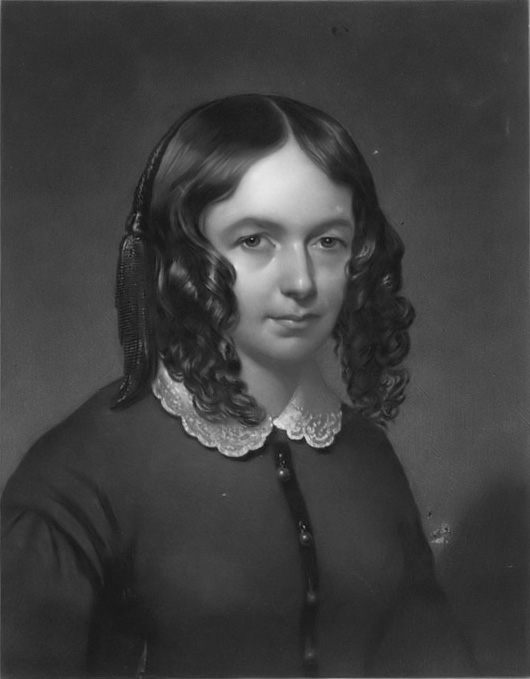




![Birds and Nature, Vol. 12 No. 1 [June 1902]illustrated by Color Photography](/_next/image?url=https%3A%2F%2Fd3b2n8gj62qnwr.cloudfront.net%2FCOVERS%2Fgutenberg_covers75k%2Febook-47881.png&w=3840&q=75)