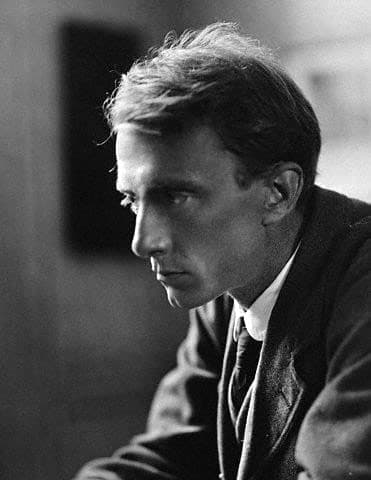
Edward Thomas
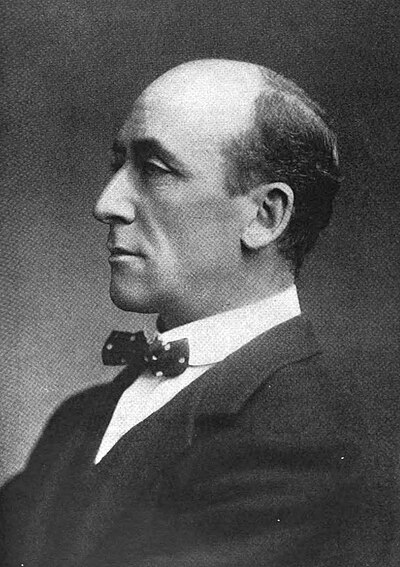
Edward Thomas was a British writer renowned for his contributions to poetry and prose, often associated with the war poetry movement despite the limited direct reflection of his military experiences in his work. Before he began writing poetry at the age of 36, Thomas had established himself as a prolific critic, biographer, and nature and travel writer, showcasing his deep appreciation for the English landscape. His early writings included critical essays and biographies, which laid the groundwork for his later poetic voice, characterized by its vivid imagery and emotional depth. In 1915, compelled by a sense of duty, Thomas enlisted in the British Army to serve in the First World War. His time in the military was tragically short-lived, as he was killed in action during the Battle of Arras in 1917, shortly after arriving in France. Despite his brief career as a poet, Thomas's works, such as 'The Woodlanders' and 'Adlestrop,' have left a lasting impact on English literature. His ability to convey the beauty of nature and the complexities of human emotion has cemented his legacy as a significant figure in early 20th-century poetry, influencing subsequent generations of poets and earning him a place among the notable war poets of his time.
Famous Quotes
View all 3 quotes“The simple lack of her is more to me than others' presence.”
“To-day I think Only with scents, - scents dead leaves yield, And bracken, and wild carrot's seed, And the square mustard field; Odours that rise When the spade wounds the root of tree, Rose, currant, raspberry, or goutweed, Rhubarb or celery; The smoke's smell, too, Flowing from where a bonfire burns The dead, the waste, the dangerous, And all to sweetness turns. It is enough To smell, to crumble the dark earth, While the robin sings over again Sad songs of Autumn mirth." - A poem called DIGGING.”
“I lay awake listening to the rain, and at first it was as pleasant to my ear and my mind as it had long been desired; but before I fell asleep it had become a majestic and finally a terrible thing, instead of a sweet sound and symbol. It was accusing and trying me and passing judgment. Long I lay still under the sentence, listening to the rain, and then at last listening to words which seemed to be spoken by a ghostly double beside me. He was muttering: The all-night rain puts out summer like a torch. In the heavy, black rain falling straight from invisible, dark sky to invisible, dark earth the heat of summer is annihilated, the splendour is dead, the summer is gone. The midnight rain buries it away where it has buried all sound but its own. I am alone in the dark still night, and my ear listens to the rain piping in the gutters and roaring softly in the trees of the world. Even so will the rain fall darkly upon the grass over the grave when my ears can hear it no more… The summer is gone, and never can it return. There will never be any summer any more, and I am weary of everything… I am alone. The truth is that the rain falls for ever and I am melting into it. Black and monotonously sounding is the midnight and solitude of the rain. In a little while or in an age – for it is all one – I shall know the full truth of the words I used to love, I knew not why, in my days of nature, in the days before the rain: ‘Blessed are the dead that the rain rains on.”
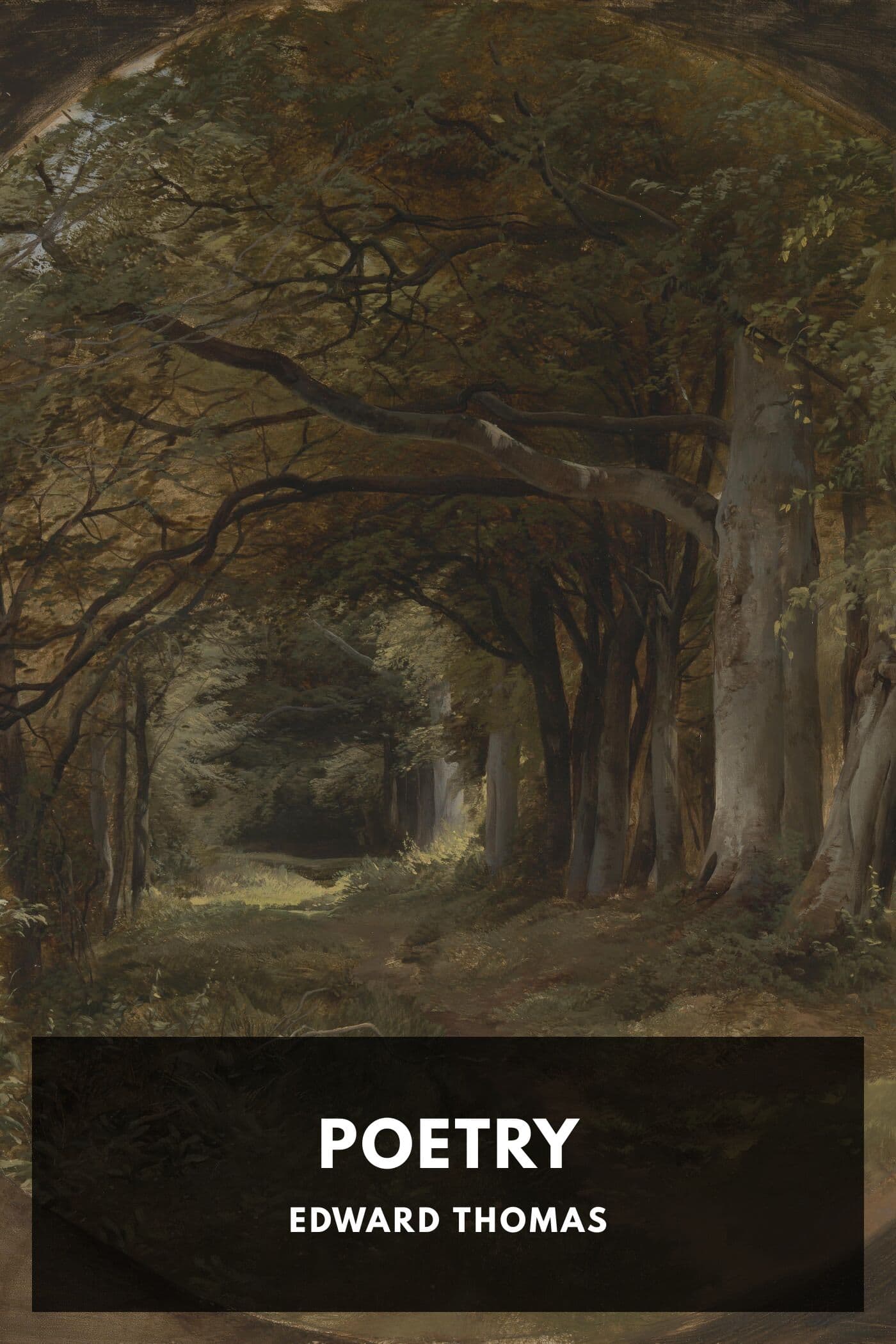
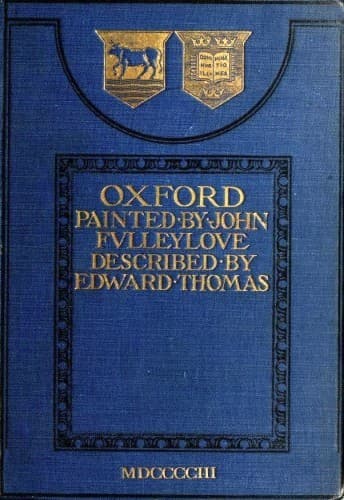
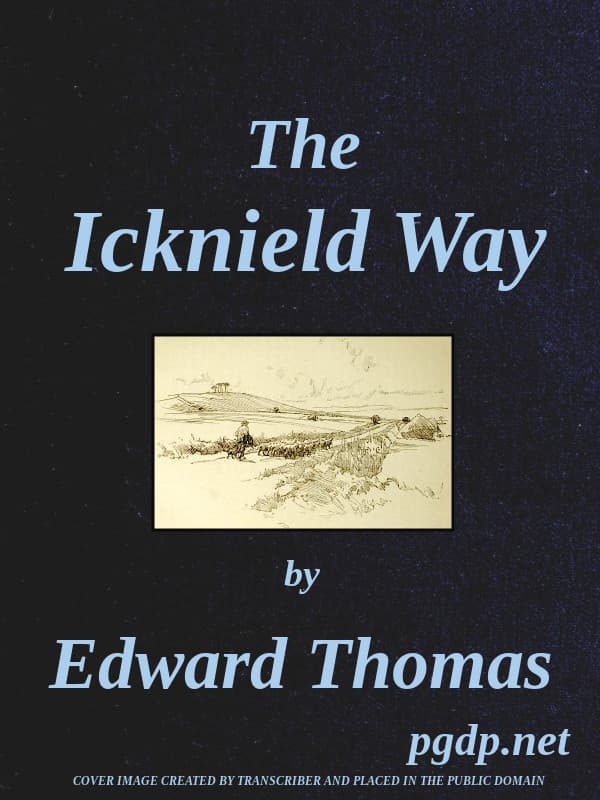
Books from the author
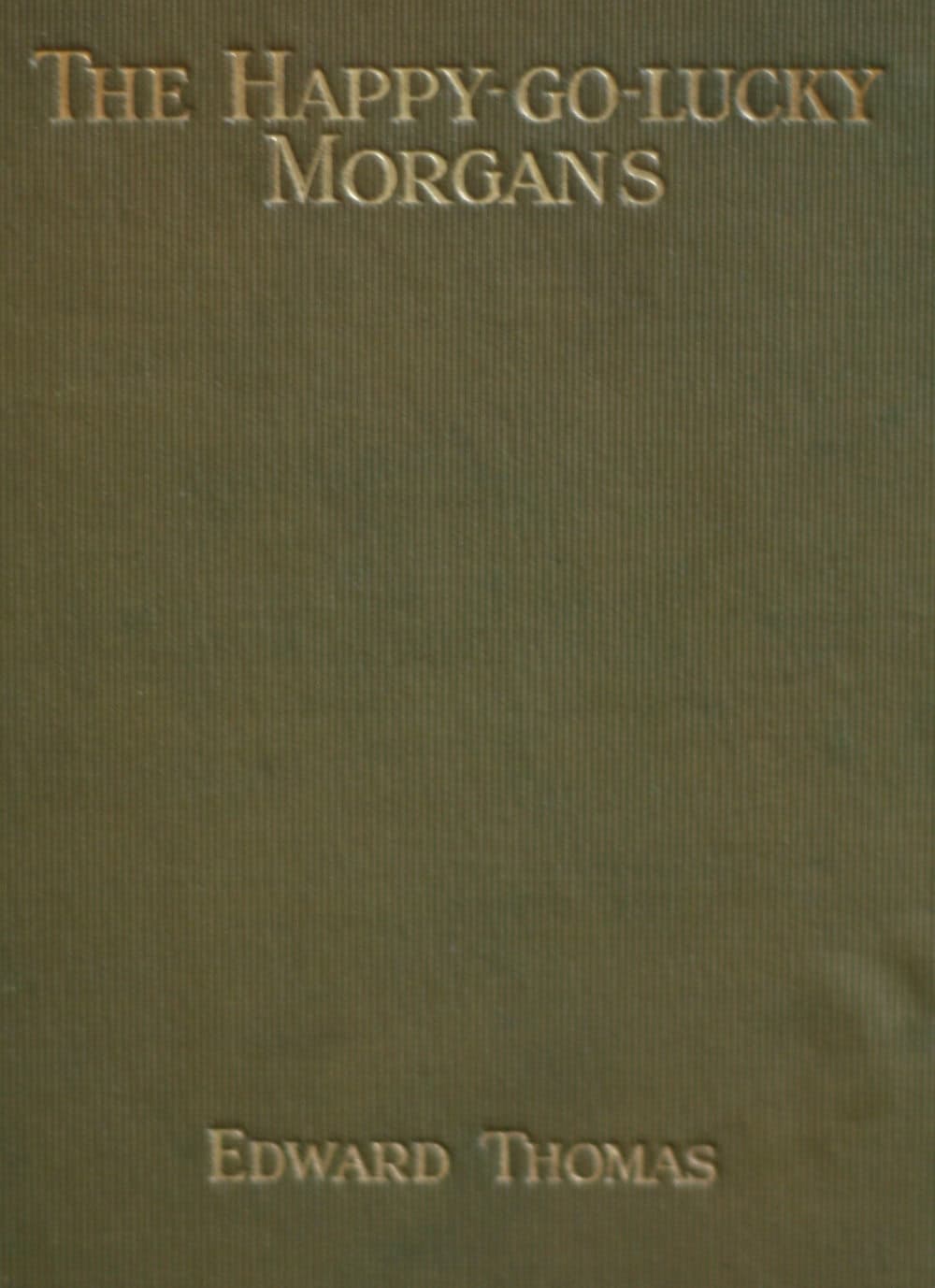


Link to this page
Add a free, dofollow link to Lex on your blog, forum, syllabus, or reading list.

<a href="https://lex-books.com/author/edward-thomas"><img src="https://lex-books.com/badges/read-on-lex.svg" alt="Edward Thomas on Lex" width="160" height="40"></a>[](https://lex-books.com/author/edward-thomas)[url=https://lex-books.com/author/edward-thomas][img]https://lex-books.com/badges/read-on-lex.svg[/img][/url]Edward Thomas on Lex: https://lex-books.com/author/edward-thomas