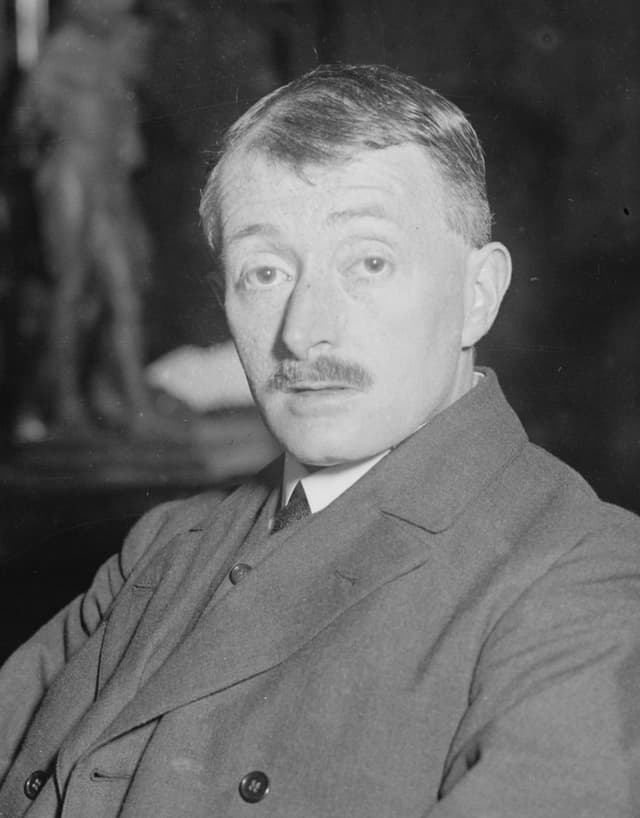
John Masefield
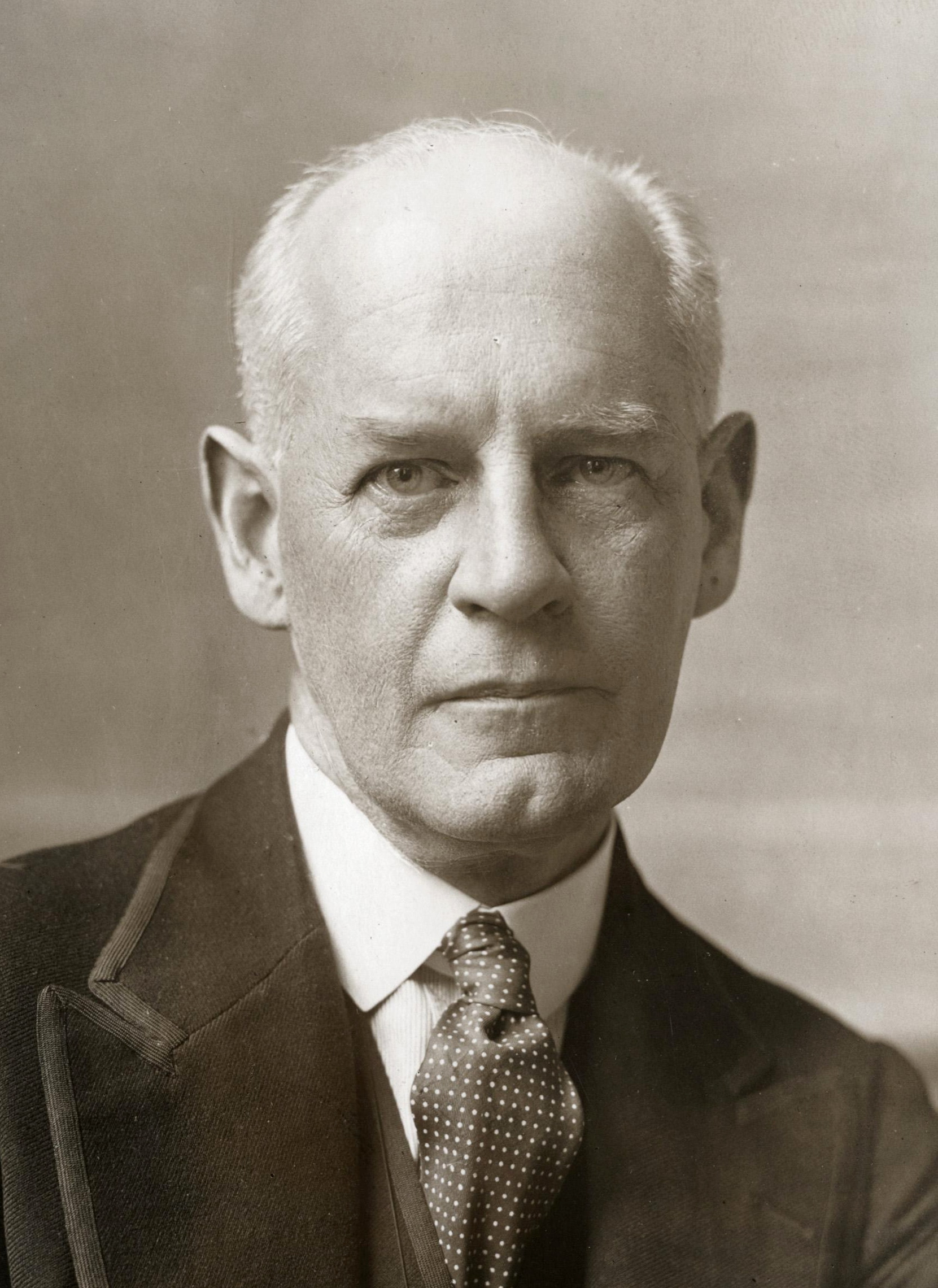
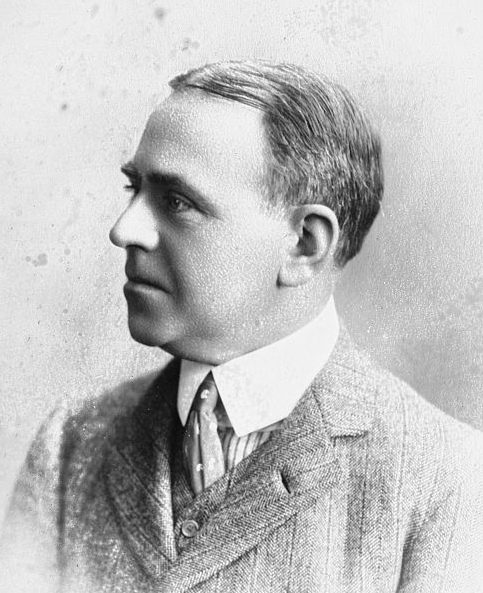
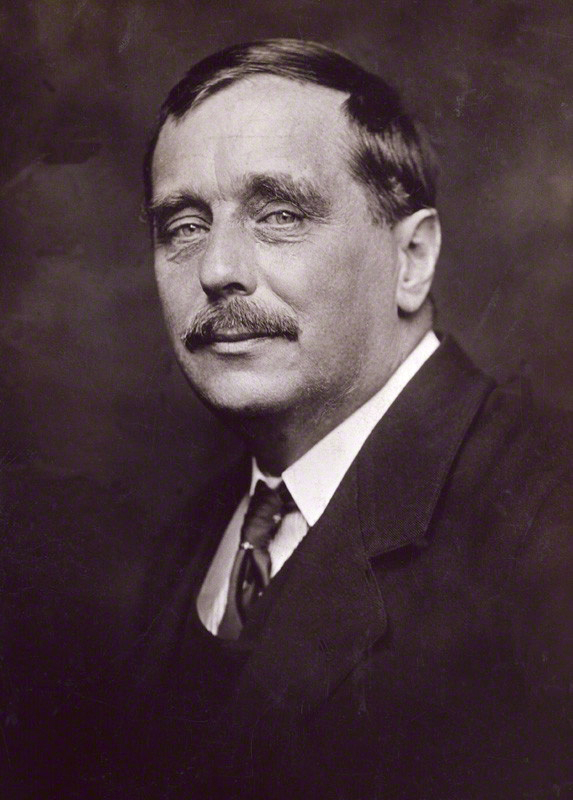
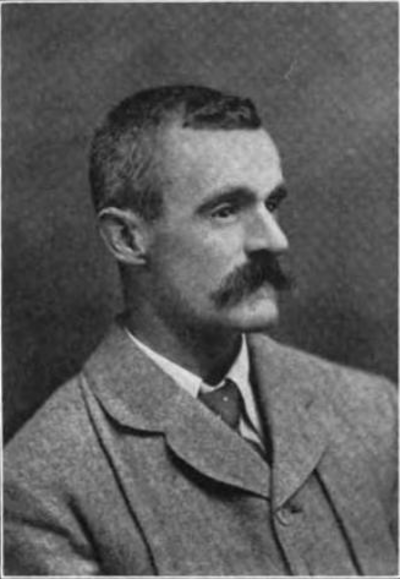
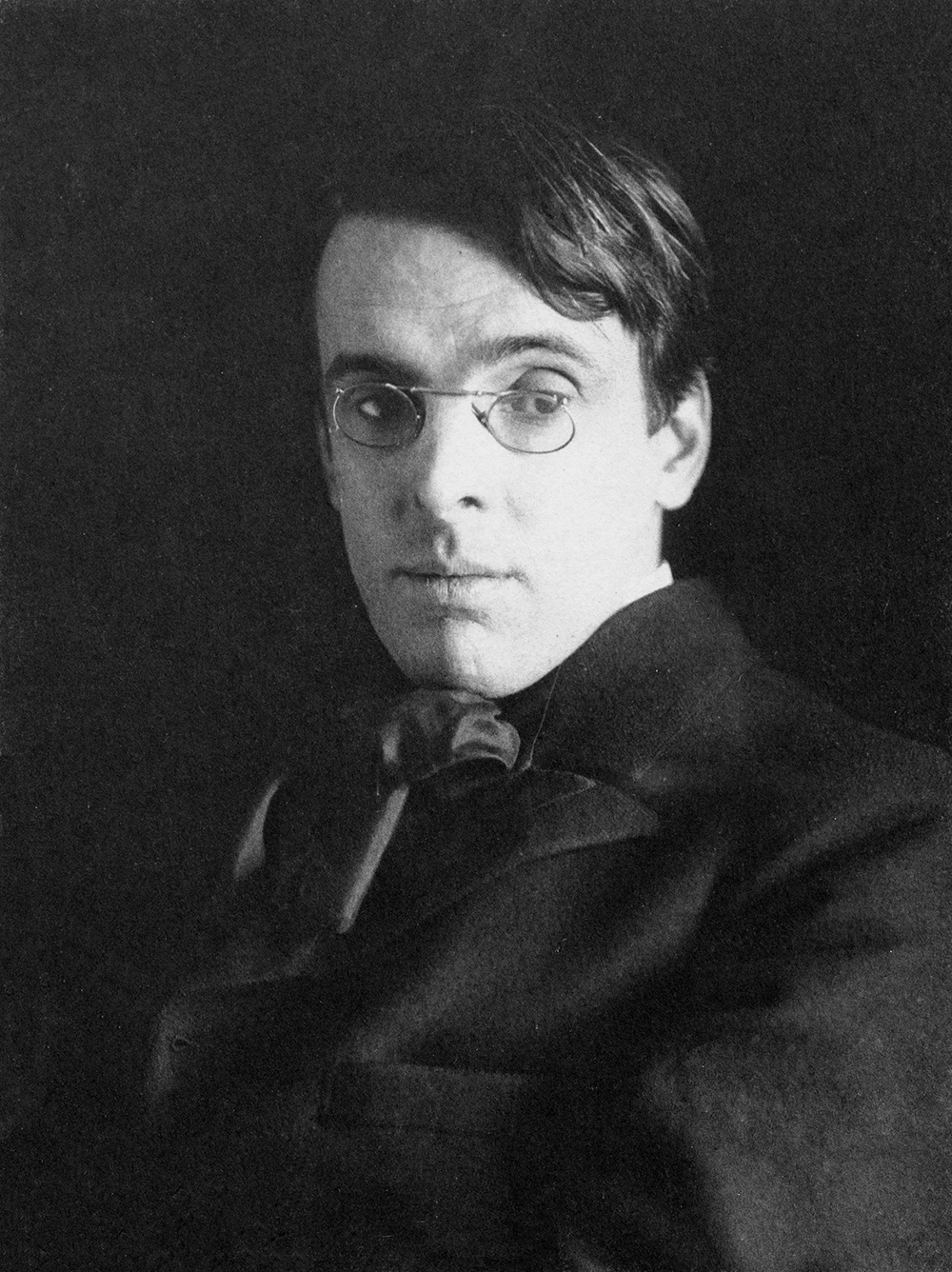
John Masefield was an influential English poet and writer, renowned for his vivid imagery and deep emotional resonance. Born in 1878, he became the Poet Laureate of the United Kingdom in 1930, a position he held until his death in 1967. Masefield's literary contributions spanned both poetry and children's literature, with notable works including the evocative poems 'The Everlasting Mercy' and 'Sea-Fever,' which reflect his profound connection to the sea and nature. His children's novels, 'The Midnight Folk' and 'The Box of Delights,' are celebrated for their imaginative storytelling and have left a lasting impact on children's literature. Masefield's significance lies not only in his role as a poet but also in his ability to capture the spirit of his time through his writing. His works often explore themes of adventure, spirituality, and the human condition, making him a pivotal figure in early 20th-century literature. His legacy continues to be honored, as his former home in Oxfordshire was transformed into a Cheshire Home named after him, ensuring that his contributions to literature are remembered and celebrated for generations to come.
Famous Quotes
View all 3 quotes“The days that make us happy make us wise.”
“Life, a beauty chased by tragic laughter.”
“Sea-fever I must down to the seas again, to the lonely sea and the sky, And all I ask is a tall ship and a star to steer her by, And the wheel's kick and the wind's song and the white sail's shaking, And a grey mist on the sea's face, and a grey dawn breaking. I must down to the seas again, for the call of the running tide Is a wild call and a clear call that may not be denied; And all I ask is a windy day with the white clouds flying, And the flung spray and the blown spume, and the sea-gulls crying. I must down to the seas again, to the vagrant gypsy life, To the gull's way and the whale's way where the wind's like a whetted knife; And all I ask is a merry yarn from a laughing fellow-rover And quiet sleep and a sweet dream when the long trick's over.”
Books from the author

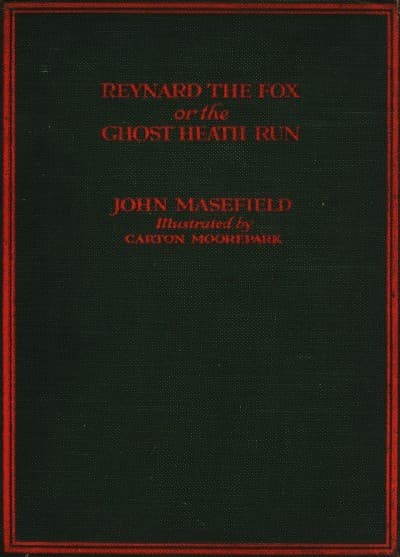
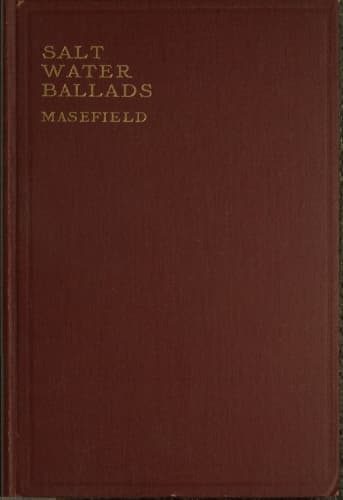
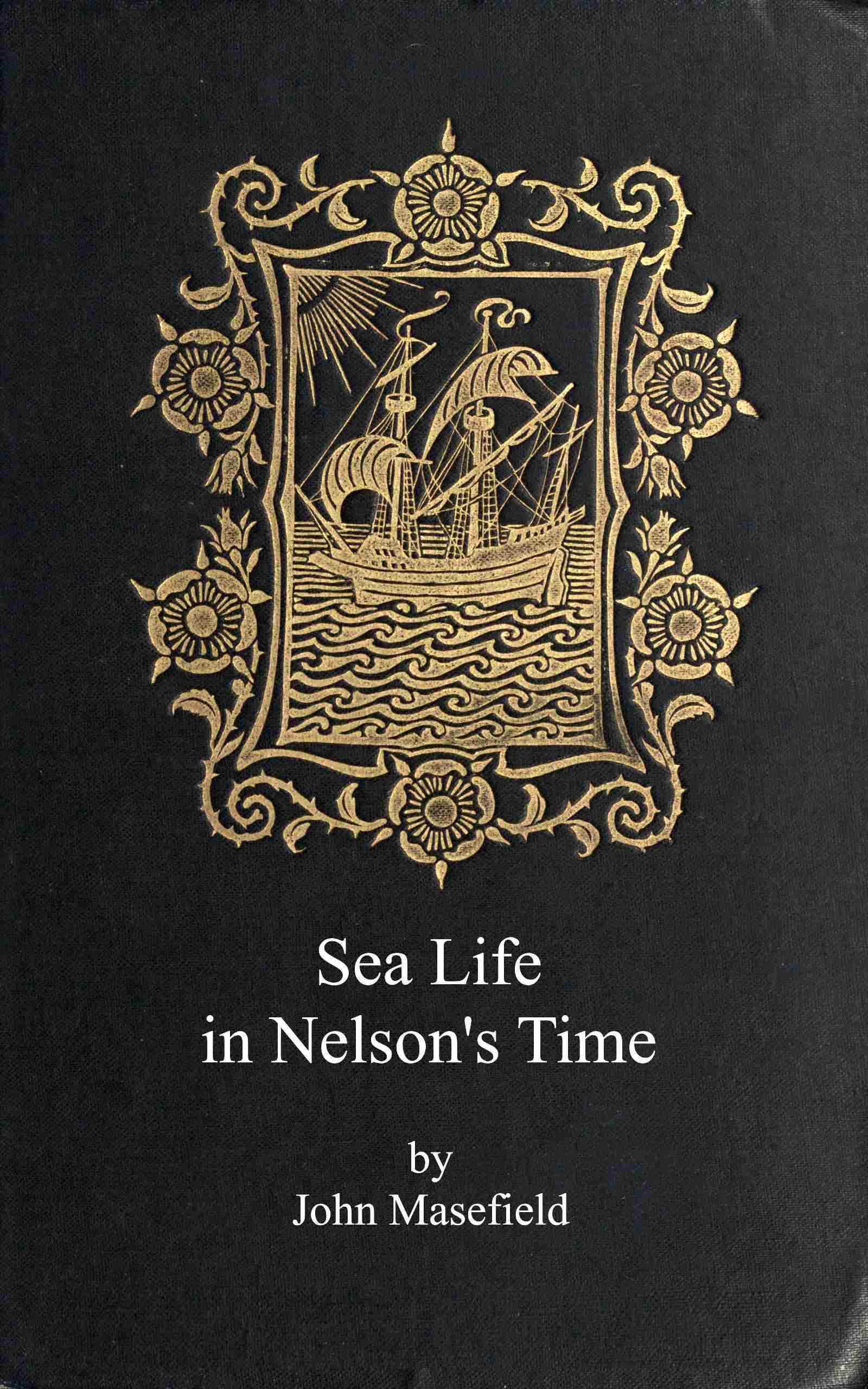
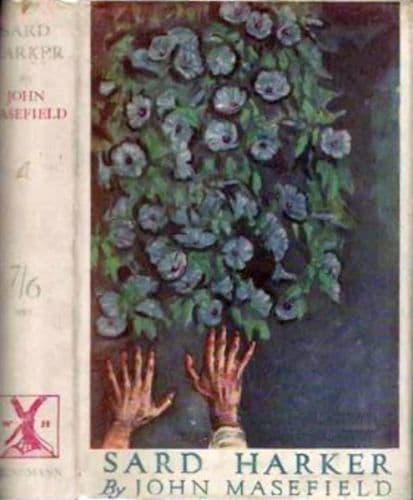
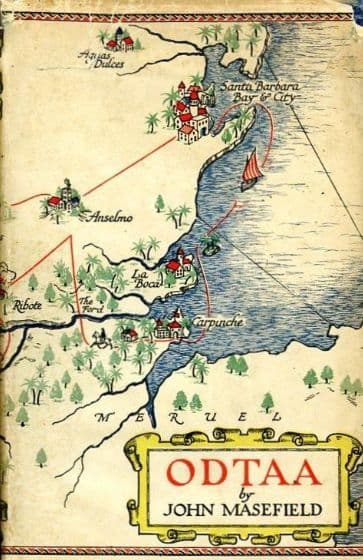
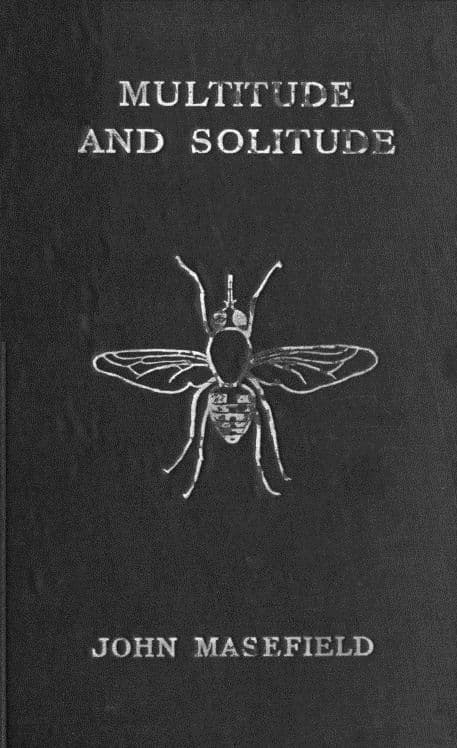

Link to this page
Add a free, dofollow link to Lex on your blog, forum, syllabus, or reading list.

<a href="https://lex-books.com/author/john-masefield"><img src="https://lex-books.com/badges/read-on-lex.svg" alt="John Masefield on Lex" width="160" height="40"></a>[](https://lex-books.com/author/john-masefield)[url=https://lex-books.com/author/john-masefield][img]https://lex-books.com/badges/read-on-lex.svg[/img][/url]John Masefield on Lex: https://lex-books.com/author/john-masefield