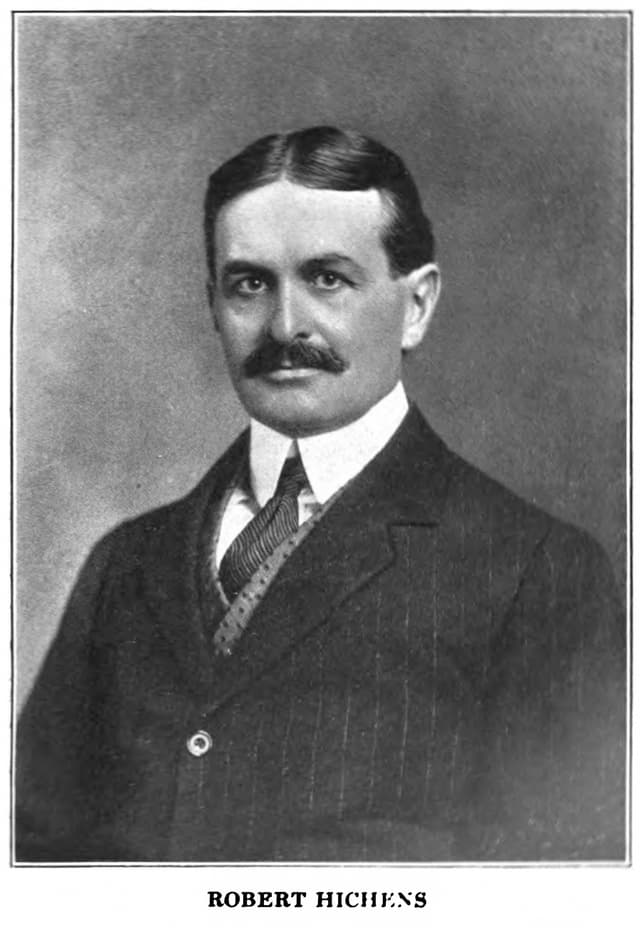
Robert Hichens
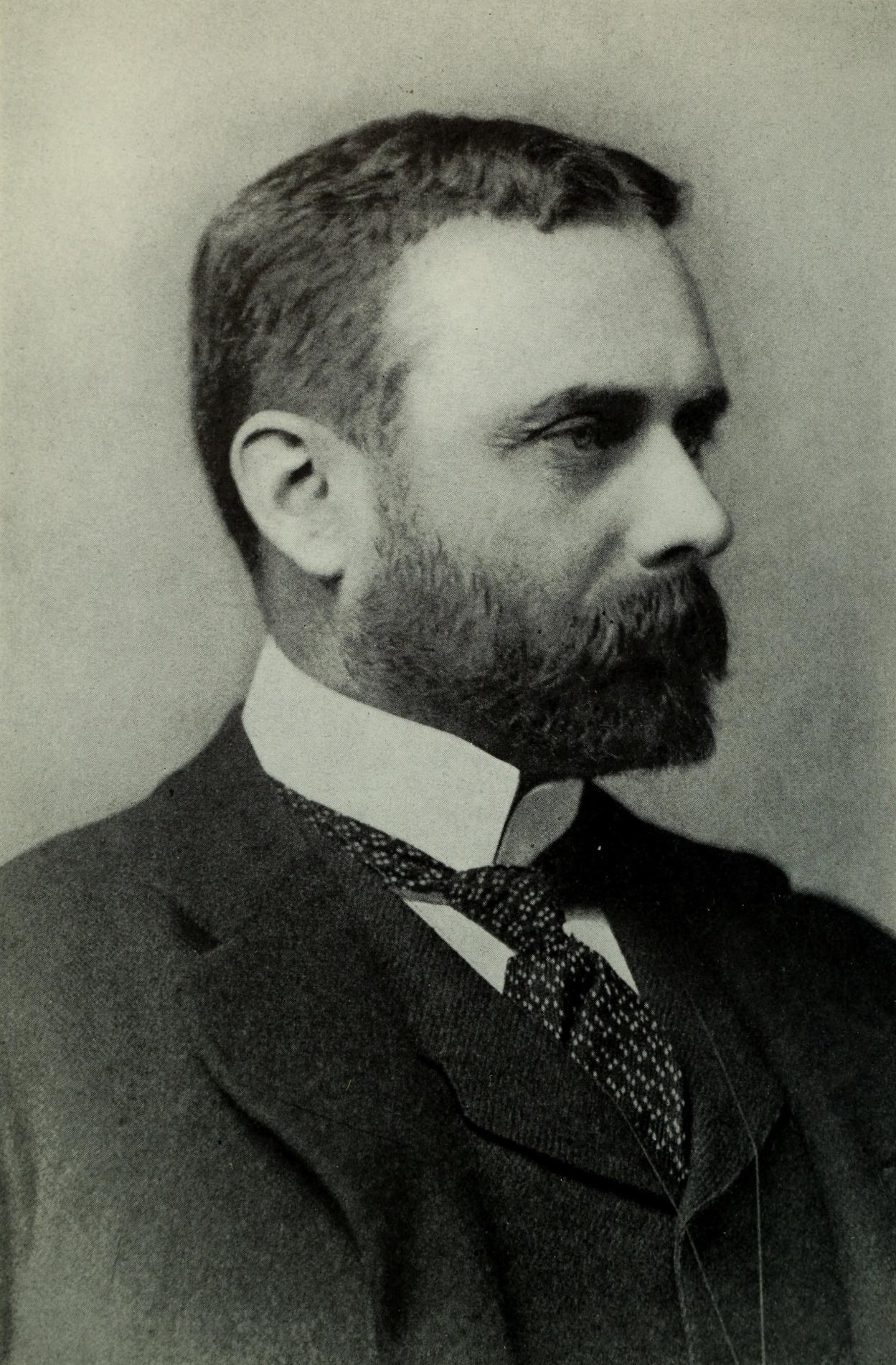
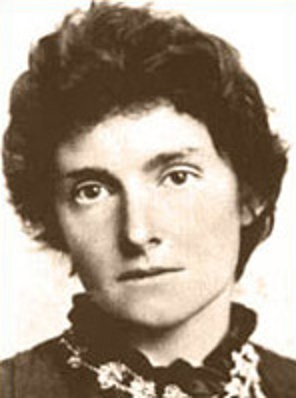
Robert Hichens was an English novelist and playwright known for his vivid storytelling and exploration of human emotions. Born in 1864 in London, he began his literary career with the publication of his first novel, 'The Green Carnation,' which gained notoriety for its bold themes and satirical take on society. Hichens's works often delved into the complexities of love, morality, and the human condition, reflecting the societal changes of his time. His most notable novels include 'The Garden of Allah,' which tells the story of a man torn between his spiritual quest and earthly desires, and 'The Call of the Blood,' which explores themes of passion and sacrifice in a richly descriptive style. Hichens's literary significance lies in his ability to capture the essence of early 20th-century life, particularly through his vivid portrayals of exotic locales and psychological depth. He was a contemporary of other notable writers, and his works contributed to the evolving landscape of English literature. Despite experiencing fluctuations in popularity throughout his career, Hichens's influence can be seen in the works of later authors who sought to explore similar themes of identity and existentialism. His legacy endures through his contributions to the genre of psychological fiction and his exploration of the human psyche in a rapidly changing world.
Famous Quotes
View all 19 quotes“It was a black and white day of frost, which crawled along the dark trees and outlined twig and branch. The air was misty, and distant objects assumed a mysterious importance. Slight sounds, too, suggested infinite activities to the mind.("A Tribute Of Souls")””
“For great changes in the human mind are terrible. As we realize them we realize the limitless possibilities of sinister deeds that lie hidden in every human being. A little child that loves a doll can become an old, crafty, secret murderer. How horrible! And perhaps it is still more horrible to think that, while the human envelope remains totally unchanged, every word of the letter within may become altered, and a message of peace fade into a sentence of death.””
“Some say that it is lack of imagination which makes men and women brutes. May it not be power of imagination? The interest of torturing is lessened, is almost lost, if we can not be the tortured as well as the torturer.””
Books from the author
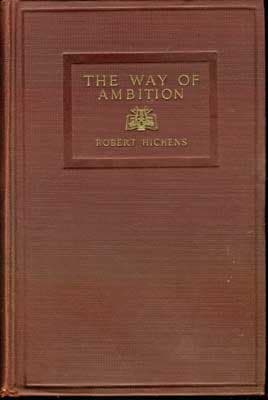

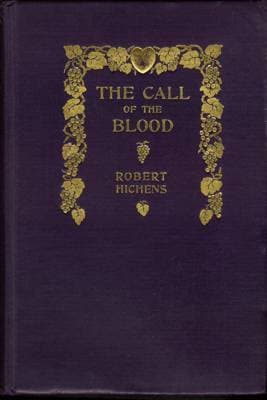

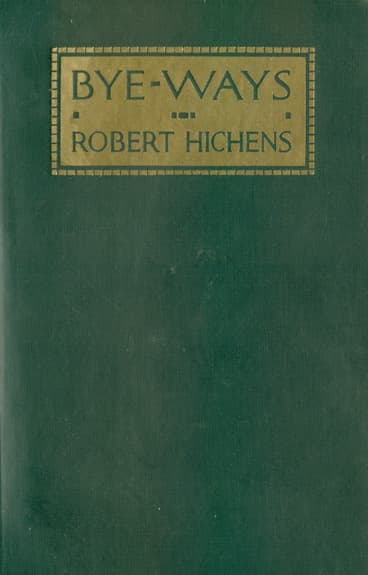


Link to this page
Add a free, dofollow link to Lex on your blog, forum, syllabus, or reading list.

<a href="https://lex-books.com/author/robert-hichens"><img src="https://lex-books.com/badges/read-on-lex.svg" alt="Robert Hichens on Lex" width="160" height="40"></a>[](https://lex-books.com/author/robert-hichens)[url=https://lex-books.com/author/robert-hichens][img]https://lex-books.com/badges/read-on-lex.svg[/img][/url]Robert Hichens on Lex: https://lex-books.com/author/robert-hichens