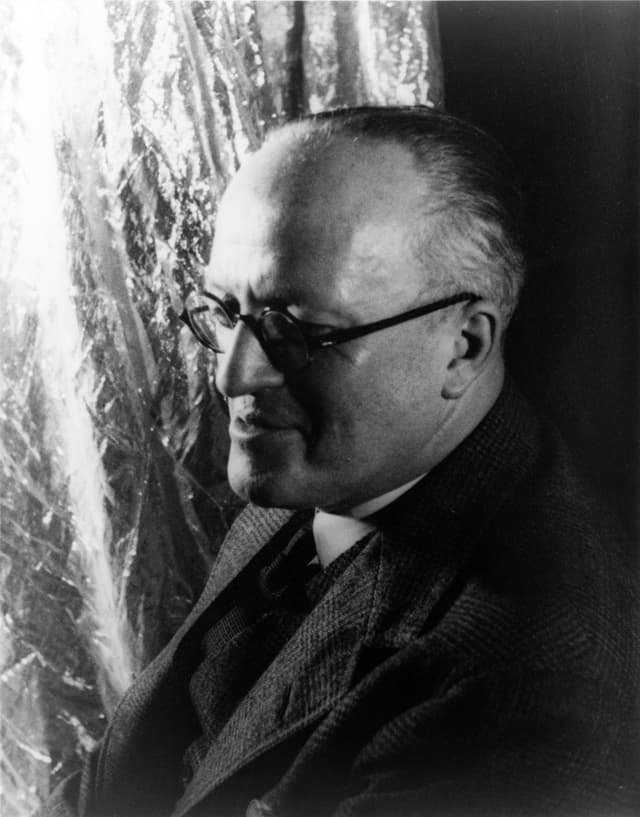
Hugh Walpole
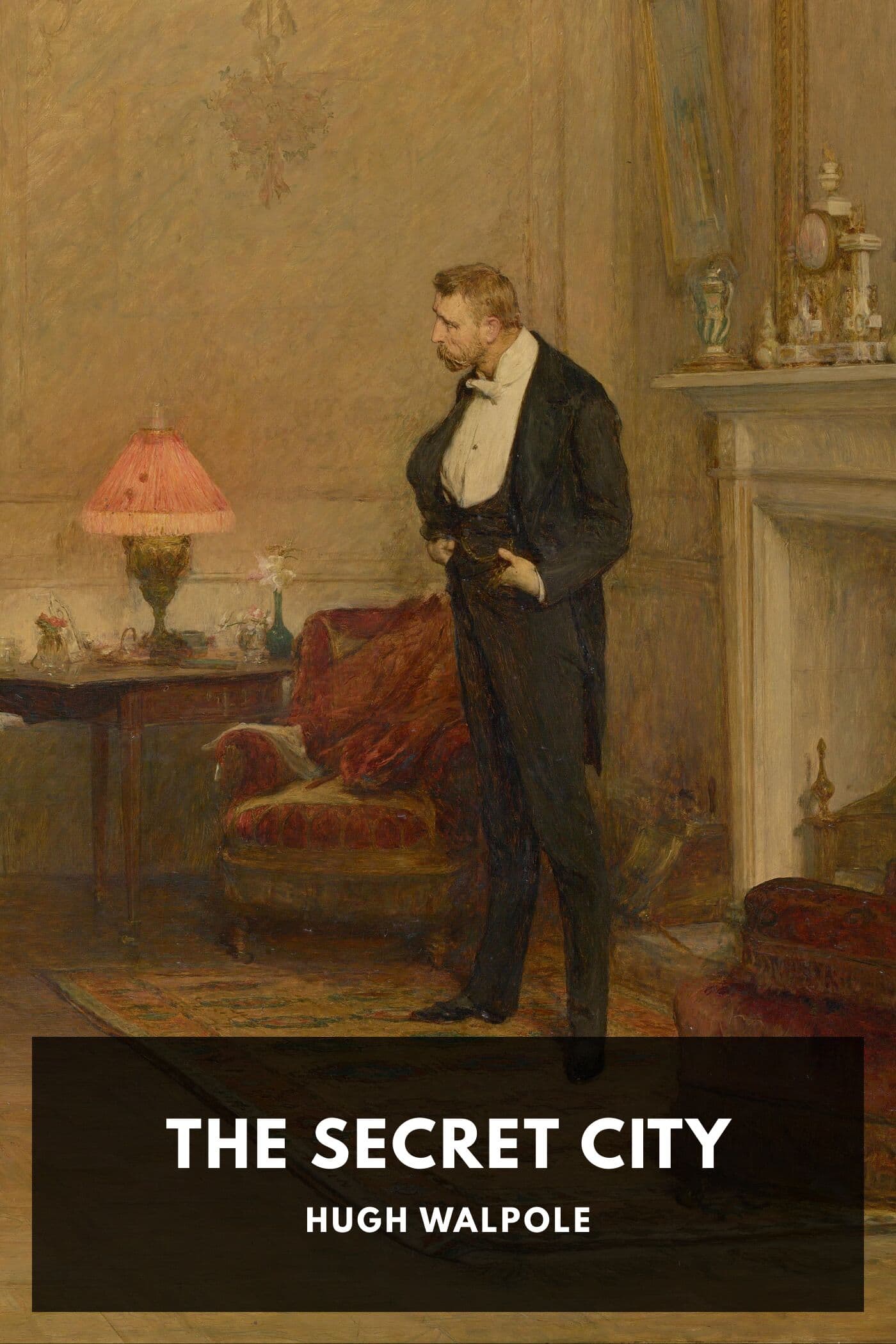
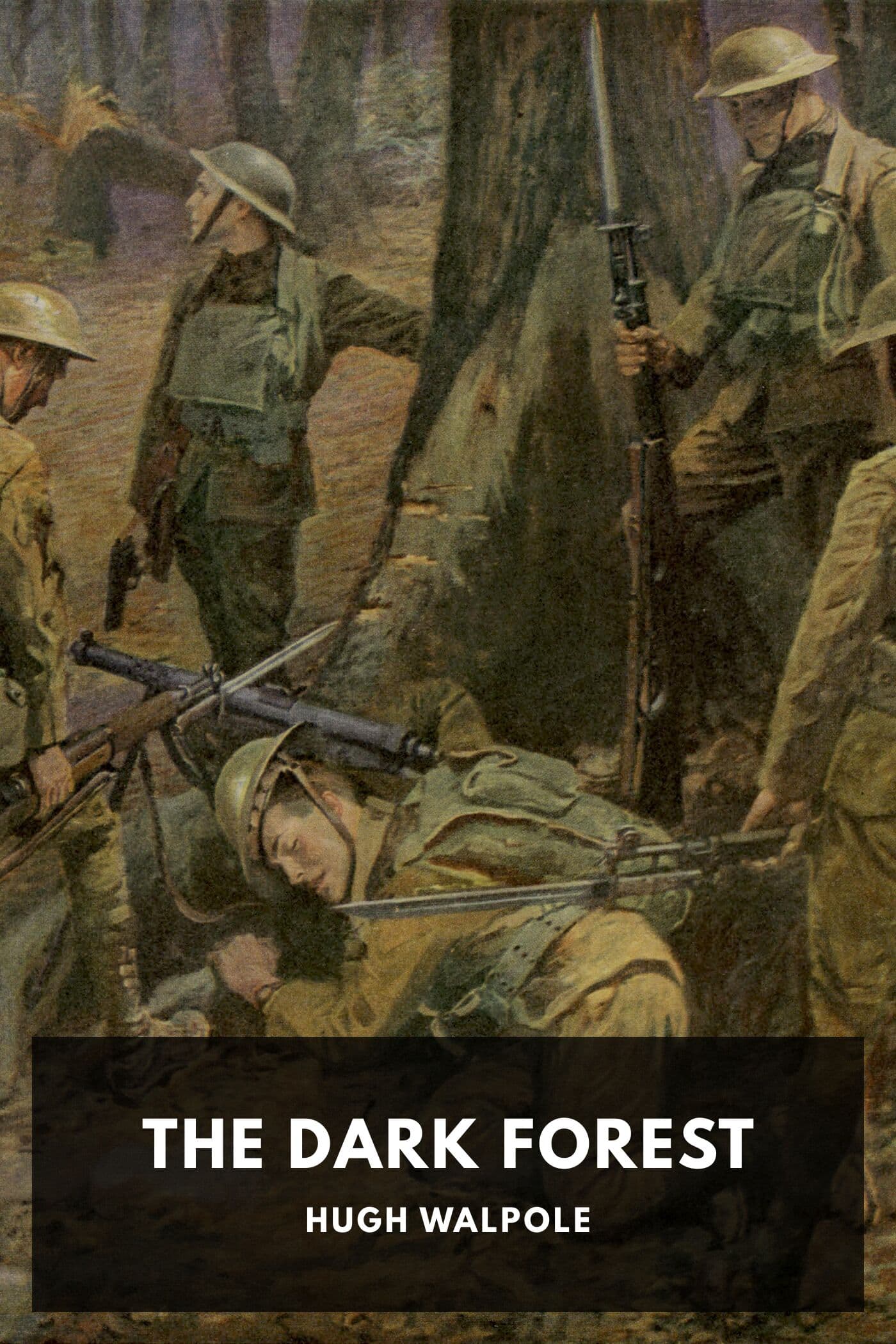
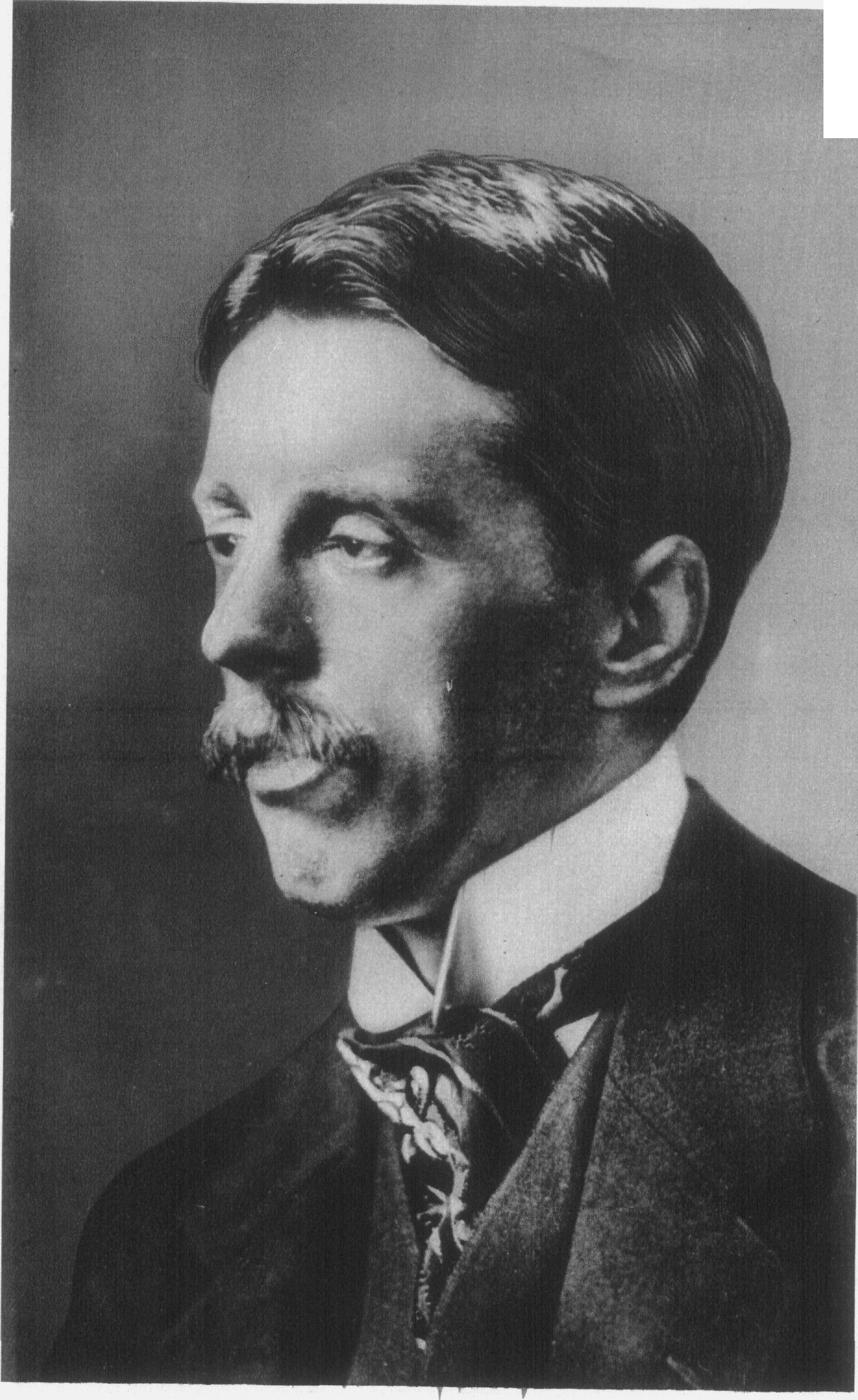
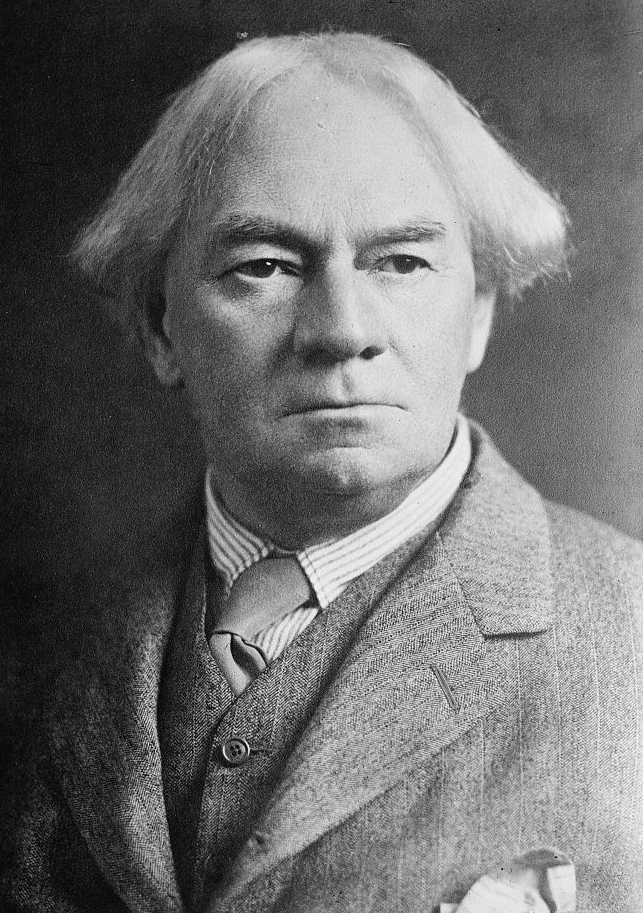
Sir Hugh Walpole was an English novelist renowned for his vivid storytelling and engaging plots. Born the son of an Anglican clergyman, he initially pursued a path in the church but was drawn to writing, receiving encouragement from literary figures like Henry James and Arnold Bennett. Walpole's career took off with his third novel, 'Mr Perrin and Mr Traill,' a tragicomic exploration of the rivalry between two schoolmasters. He became a best-selling author in the 1920s and 1930s, producing a steady stream of works, including 'The Wooden Horse' and 'The Dark Forest,' while also establishing himself as a prominent lecturer on literature, particularly in North America. Despite his success, Walpole's legacy has faded since his death, overshadowed by the changing literary landscape. His experiences during World War I, where he served in the Red Cross and worked in propaganda, influenced his writing and themes. A complex figure, Walpole navigated his identity as a gay man in a repressive society, forming deep but discreet relationships throughout his life. He eventually settled in the Lake District with a close companion, embodying a blend of literary patronage and artistic appreciation, as evidenced by his generous bequest of paintings to the Tate Gallery. Walpole's contributions to literature and the arts remain significant, even as his works await rediscovery.
Famous Quotes
View all 3 quotes“The most wonderful of all things in life is the discovery of another human being with whom one's relationship has a growing depth, beauty and joy as the years increase. This inner progressiveness of love between two human beings is a most marvelous thing; it cannot be found by looking for it or by passionately wishing for it. It is a sort of divine accident, and the most wonderful of all things in life.”
“I almost think there is no wisdom comparable to that of exchanging what is called the realities of life for dreams”
“The most wonderful of all things in life, I believe, is the discovery of another human being with whom one's relationship has a glowing depth, beauty, and joy as the years increase. This inner progressiveness of love between two human beings is a most marvelous thing, it cannot be found by looking for it or by passionately wishing for it. It is a sort of Divine accident.”
Books from the author



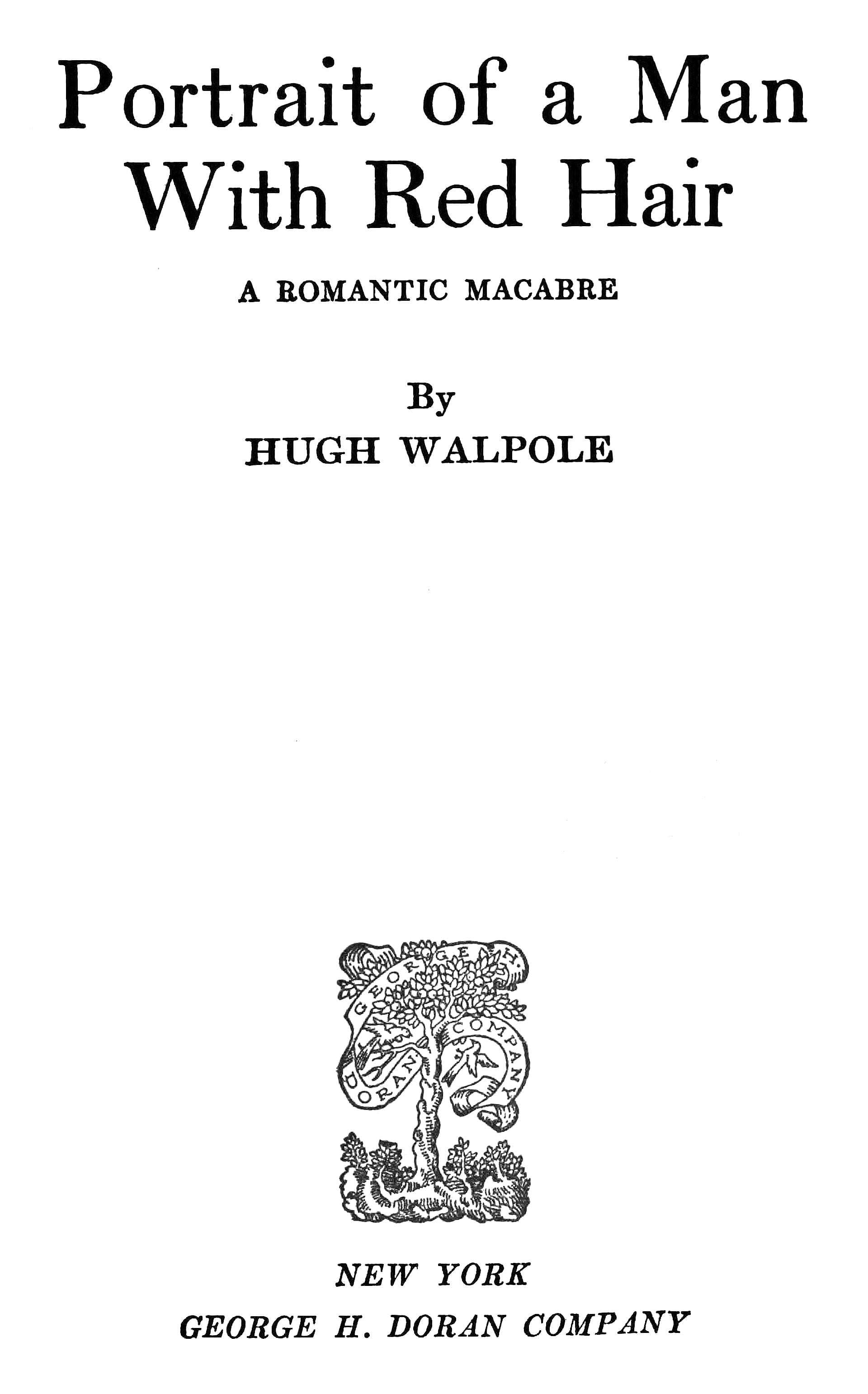


Link to this page
Add a free, dofollow link to Lex on your blog, forum, syllabus, or reading list.

<a href="https://lex-books.com/author/hugh-walpole"><img src="https://lex-books.com/badges/read-on-lex.svg" alt="Hugh Walpole on Lex" width="160" height="40"></a>[](https://lex-books.com/author/hugh-walpole)[url=https://lex-books.com/author/hugh-walpole][img]https://lex-books.com/badges/read-on-lex.svg[/img][/url]Hugh Walpole on Lex: https://lex-books.com/author/hugh-walpole