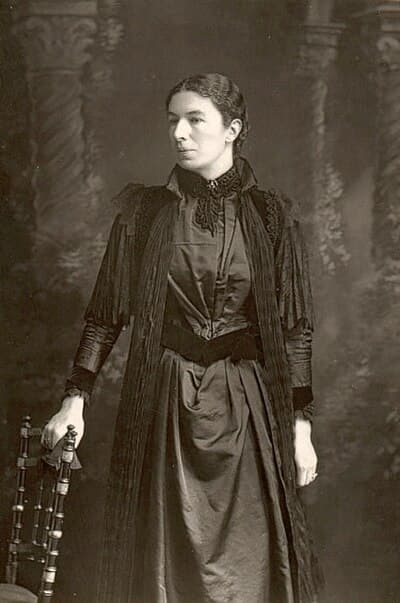
Mrs. Humphry Ward
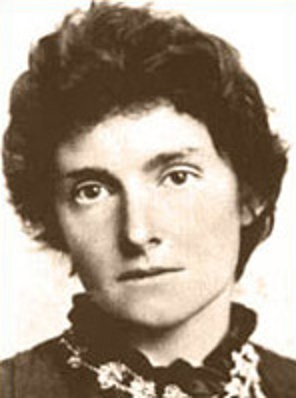
Mrs. Humphry Ward, born Mary Augusta Arnold, was a prominent English novelist and social reformer whose works often explored the intersection of personal and societal issues. Coming from a distinguished literary family, she was the daughter of the famous educator Thomas Arnold and the niece of the poet Matthew Arnold. Her early exposure to intellectual circles and her education at King's College London shaped her worldview and literary voice. Ward's most notable work, 'Robert Elsmere' (1888), tackled themes of faith and doubt, reflecting the tensions of a rapidly changing society. The novel was groundbreaking in its exploration of religious skepticism and its impact on personal identity, making it a significant contribution to Victorian literature. Throughout her career, Ward wrote several novels, essays, and biographies, often advocating for women's rights and social reform. Her literary significance lies not only in her storytelling but also in her ability to engage with contemporary social issues, such as education and women's suffrage. Ward's influence extended beyond literature; she was actively involved in various social causes and even served as a member of the National Union of Women's Suffrage Societies. Her legacy endures through her contributions to both literature and social reform, as she paved the way for future generations of women writers and activists.
Famous Quotes
View all 5 quotes“One of the things that most tormented him indeed in this recent existence was a perpetual pricking sense of the contrast between this small world of his ancestral possessions and traditions, with all its ceremonial and feudal usage, and the great rushing world outside it of action and of thought. Do what he would, he could not un-king himself within the limits of the Maxwell estate. To the people living upon it he was the man of most importance within their ken, was inevitably their potentate and earthly providence. He confessed that there was a real need of him, if he did his duty. But on this need the class-practice of generations had built up a deference, a sharpness of class-distinction, which any modern must find more and more irksome in proportion to his modernness. What was in Aldous's mind, as he stood with drawn brows looking out over the view which showed him most of his domain, was a sort of hot impatience of being made day by day, in a hundred foolish ways, to play at greatness.Yet, as we know, he was no democrat by conviction, had no comforting faith in what seemed to him the rule of a multitudinous ignorance. Still every sane man of to-day knows, at any rate, that the world has taken the road of democracy, and that the key to the future, for good or ill, lies not in the revolts and speculations of the cultivated few, but in the men and movements that can seize the many. Aldous's temper was despondently critical towards the majority of these, perhaps; he had, constitutionally, little of that poet's sympathy with the crowd, as such, which had given Hallin his power. But, at any rate, they filled the human stage”
“The more intermingling of races, which a modern city shares with those old towns of Asia Minor, predisposes the mind to a greater openness and receptiveness, whether for good or evil.””
“The nature which an hour ago had seemed to him so full of stimulus and exhilaration, had taken to itself a note of gloom and mourning; for he was at the age when Nature is the mere docile responsive mirror of the spirit, when all her forces and powers are made for us, and are only there to play chorus to our story.””
Books from the author


Link to this page
Add a free, dofollow link to Lex on your blog, forum, syllabus, or reading list.

<a href="https://lex-books.com/author/humphry-mrs-ward"><img src="https://lex-books.com/badges/read-on-lex.svg" alt="Mrs. Humphry Ward on Lex" width="160" height="40"></a>[](https://lex-books.com/author/humphry-mrs-ward)[url=https://lex-books.com/author/humphry-mrs-ward][img]https://lex-books.com/badges/read-on-lex.svg[/img][/url]Mrs. Humphry Ward on Lex: https://lex-books.com/author/humphry-mrs-ward