Angela Brazil
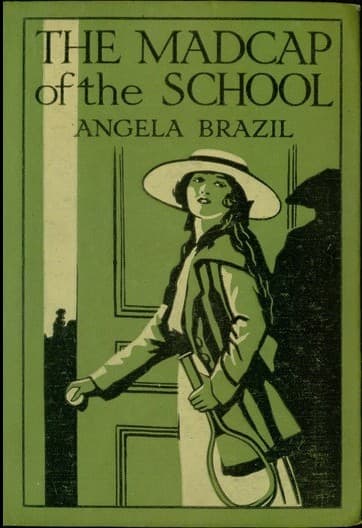
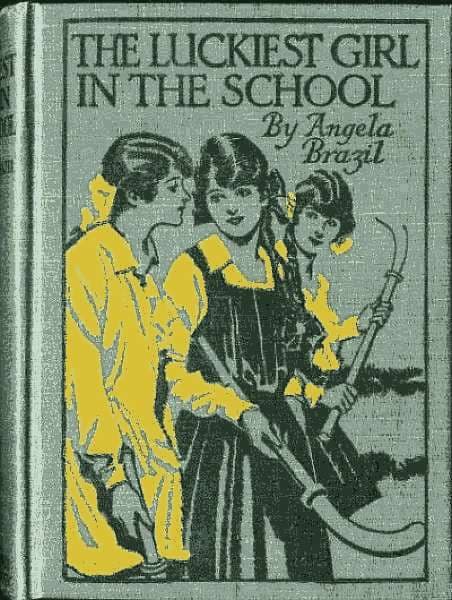
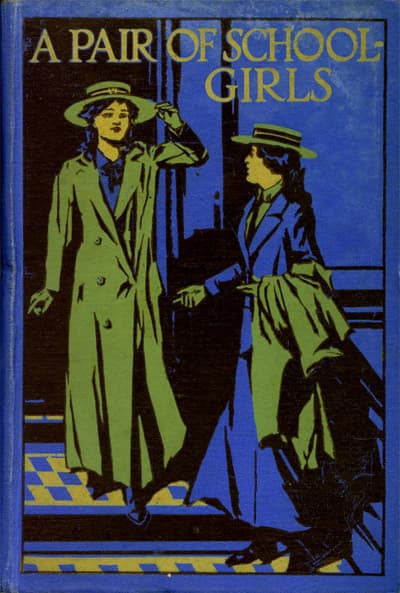
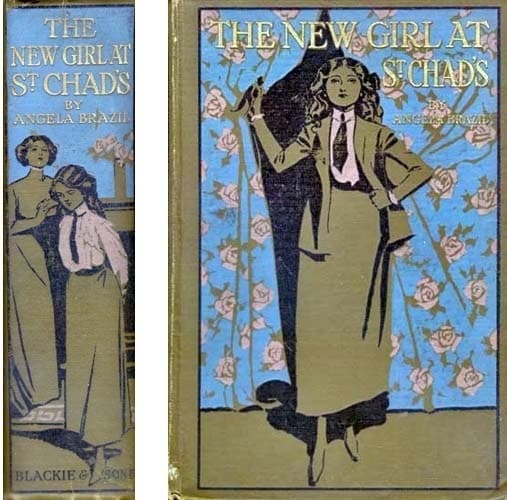
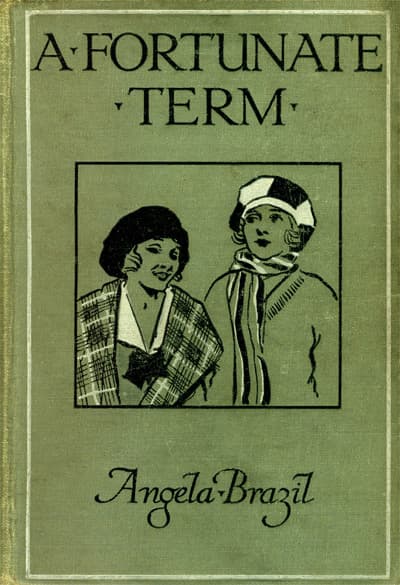
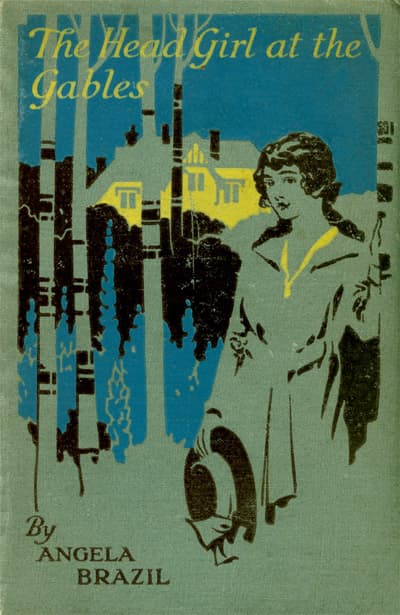
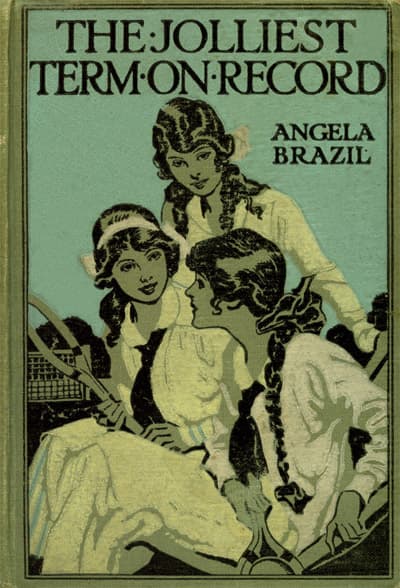
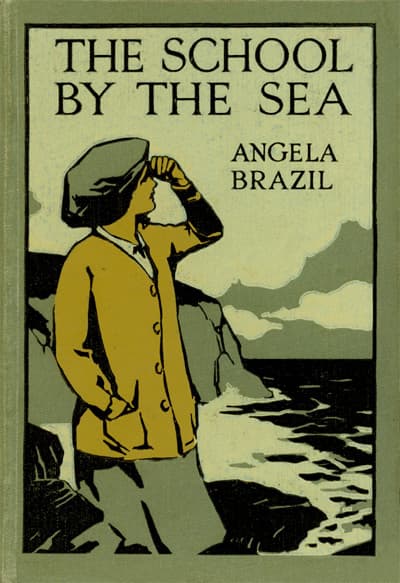
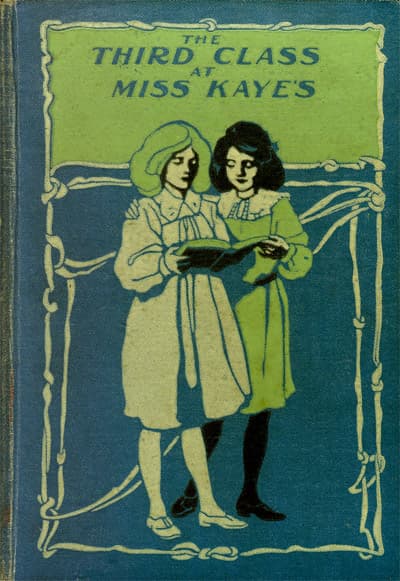
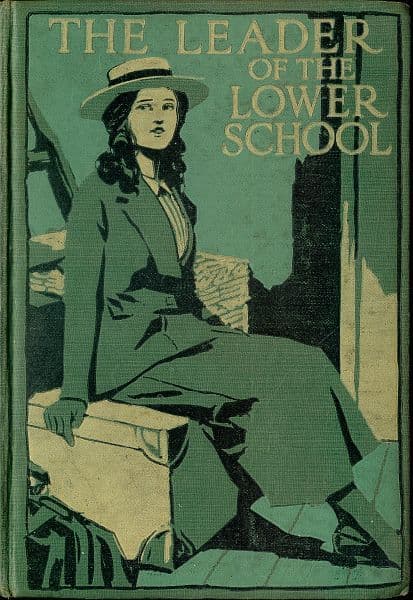
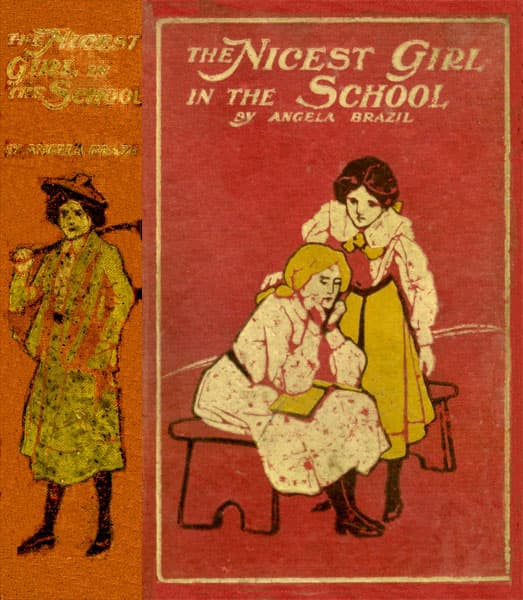
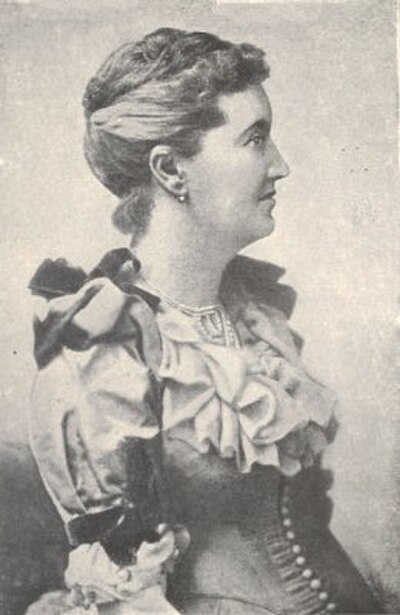
Angela Brazil was a pioneering British author known for her significant contributions to the genre of modern schoolgirls' stories. Emerging in the early 20th century, she wrote nearly 50 novels, primarily focusing on the lives and adventures of girls in boarding schools. Her narratives were distinctive for their emphasis on the characters' perspectives, prioritizing entertainment over moral instruction. This innovative approach resonated with pre-adolescent readers, making her works commercially successful and widely popular, particularly until the 1960s. Brazil's stories often depicted active, independent-minded young women navigating adolescence, reflecting contemporary issues and shared experiences among girls. Despite their popularity, Brazil's works faced criticism from some authority figures who deemed them morally disruptive, leading to instances of censorship in schools. Nevertheless, her influence on girls' fiction was profound, as she helped to shift the portrayal of female characters in literature. Many of her themes and motifs have been imitated or parodied in later works, yet Brazil's legacy remains as a transformative figure in children's literature, paving the way for future generations of female authors and readers alike. Her ability to capture the complexities of girlhood and adolescence marked a significant departure from earlier, more didactic narratives, solidifying her place in literary history.
Famous Quotes
View all 7 quotes“her friends, feeling the change, soon left off trying to be poor little imitations of grown-up people, and began at last to enjoy themselves; for true enjoyment does not consist in showing off, but in being our simple, natural selves, if people would only believe it.””
“It is mostly when we are very young that we take the greatest delight in the sad songs; those who have felt the real bitterness of sorrow are glad to bury it deeply away, and do not wish it wakened, as sailors' wives love a place best where they cannot hear the sound of the sea.””
“Life was so full of different things, and so many fresh interests and new plans were crowding continually into her brain, that she never had time to think whether her tie was neatly knotted or her belt properly fastened; it””
Books from the author





Link to this page
Add a free, dofollow link to Lex on your blog, forum, syllabus, or reading list.

<a href="https://lex-books.com/author/angela-brazil"><img src="https://lex-books.com/badges/read-on-lex.svg" alt="Angela Brazil on Lex" width="160" height="40"></a>[](https://lex-books.com/author/angela-brazil)[url=https://lex-books.com/author/angela-brazil][img]https://lex-books.com/badges/read-on-lex.svg[/img][/url]Angela Brazil on Lex: https://lex-books.com/author/angela-brazil