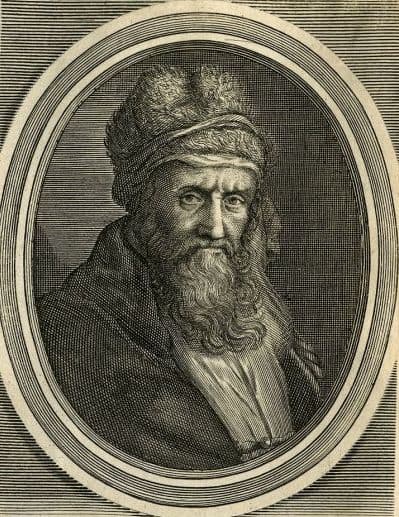
Diogenes Laertius
Diogenes Laërtius was a significant figure in the documentation of ancient Greek philosophy, best known for his work, 'Lives and Opinions of Eminent Philosophers.' Although little is known about his personal life, his writings serve as a crucial resource for understanding the thoughts and lives of prominent philosophers from Socrates to Epicurus. Diogenes' approach to biography was somewhat unconventional; he often included trivial anecdotes about his subjects while neglecting more substantial philosophical discussions. This method has led to a mixed reputation among scholars, who criticize him for a lack of critical analysis and for sometimes conflating different philosophical schools. Despite these criticisms, Diogenes Laërtius's contributions are invaluable, as he preserved many teachings that might otherwise have been lost. His tendency to report philosophical doctrines without reinterpretation allows readers a glimpse into the original thoughts of these thinkers. In a time when many primary texts have been lost, his work stands out as the foremost surviving source on the history of Greek philosophy, making him a pivotal figure in the study of ancient thought and the transmission of philosophical ideas through the ages.
Famous Quotes
View all 3 quotes“Time is the most valuable thing that a man can spend.”
“One original thought is worth a thousand mindless quotings.”
“We have two ears and only one tongue in order that we may hear more and speak less.”
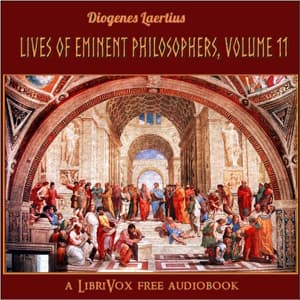
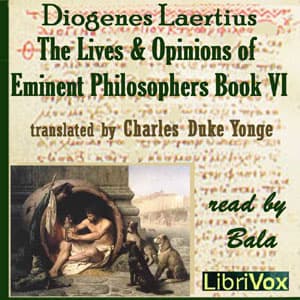
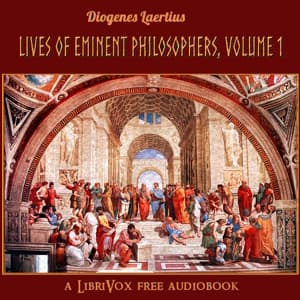
Books from the author





Link to this page
Add a free, dofollow link to Lex on your blog, forum, syllabus, or reading list.

<a href="https://lex-books.com/author/diogenes-laertius"><img src="https://lex-books.com/badges/read-on-lex.svg" alt="Diogenes Laertius on Lex" width="160" height="40"></a>[](https://lex-books.com/author/diogenes-laertius)[url=https://lex-books.com/author/diogenes-laertius][img]https://lex-books.com/badges/read-on-lex.svg[/img][/url]Diogenes Laertius on Lex: https://lex-books.com/author/diogenes-laertius