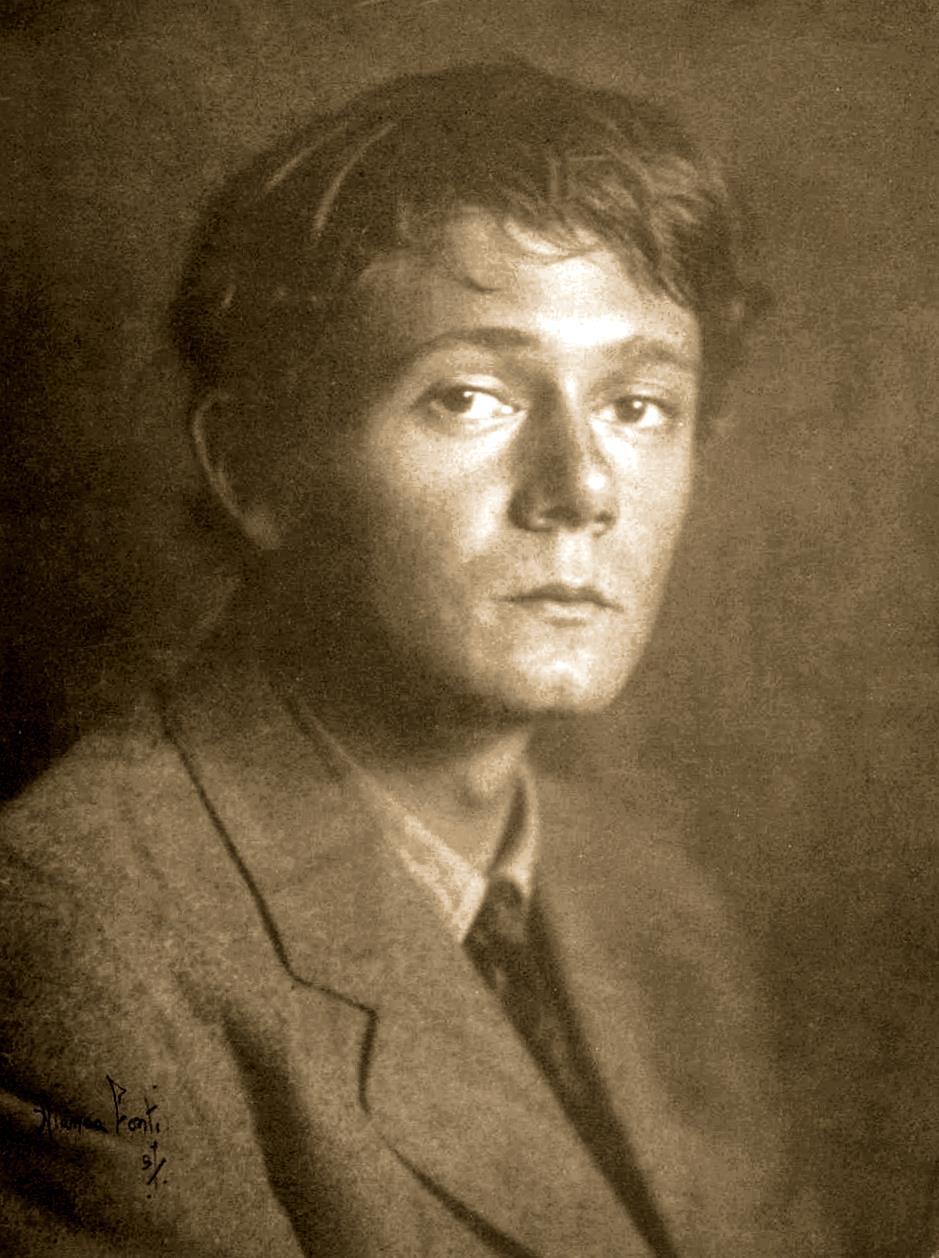
Clark Ashton Smith
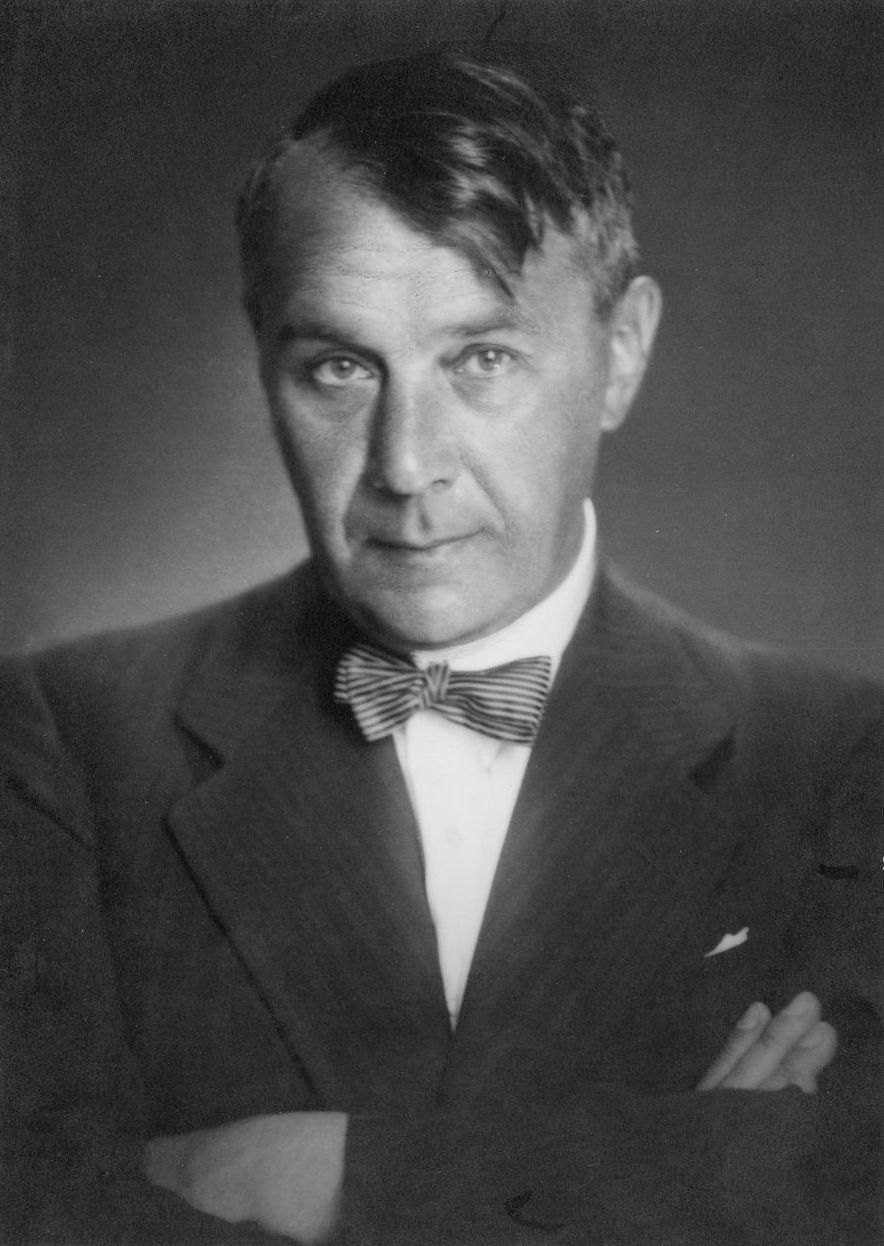
Clark Ashton Smith was a pivotal figure in American literature, renowned for his contributions to fantasy, horror, and science fiction. Emerging from California's literary scene, he gained early acclaim for his poetry, which echoed the styles of the West Coast Romantics. Smith's unique voice earned him the titles of 'The Last of the Great Romantics' and 'The Bard of Auburn.' His contemporaries, including H. P. Lovecraft and Ray Bradbury, recognized his extraordinary imagination and ability to conjure vivid, otherworldly landscapes and beings. Lovecraft praised him for his 'daemonic strangeness,' while Bradbury credited him with inspiring fantastical worlds that captivated readers' minds. As a member of the influential Lovecraft circle, Smith's work in the genre of weird fiction positioned him alongside other luminaries like Robert E. Howard and Lovecraft himself. His stories, often characterized by their rich vocabulary and cosmic themes, pushed the boundaries of pulp traditions, sometimes drawing criticism for their morbid elements. Despite this, his literary legacy endures, influencing a diverse array of writers from Stephen King to George R. R. Martin. Smith's distinctive style, which he described as a form of 'verbal black magic,' continues to resonate, marking him as a significant figure in the evolution of speculative fiction.
Famous Quotes
View all 3 quotes“Bow down, I am the emperor of dreams.”
“There have been times when only a hair's-breadth has intervened betwixt myself and the seething devil-ridden world of madness; for the hideous knowledge, the horror- blackened memories which I have carried so long, were never meant to be borne by the human intellect.”
“Not as the plants and flowers of Earth, growing peacefully beneath a simple sun, were the blossoms of the planet Lophai. Coiling and uncoiling in double dawns; tossing tumultuously under vast suns of jade green and balas-ruby orange; swaying and weltering in rich twilights, in aurora-curtained nights, they resembled fields of rooted serpents that dance eternally to an other-worldly music.”
Books from the author
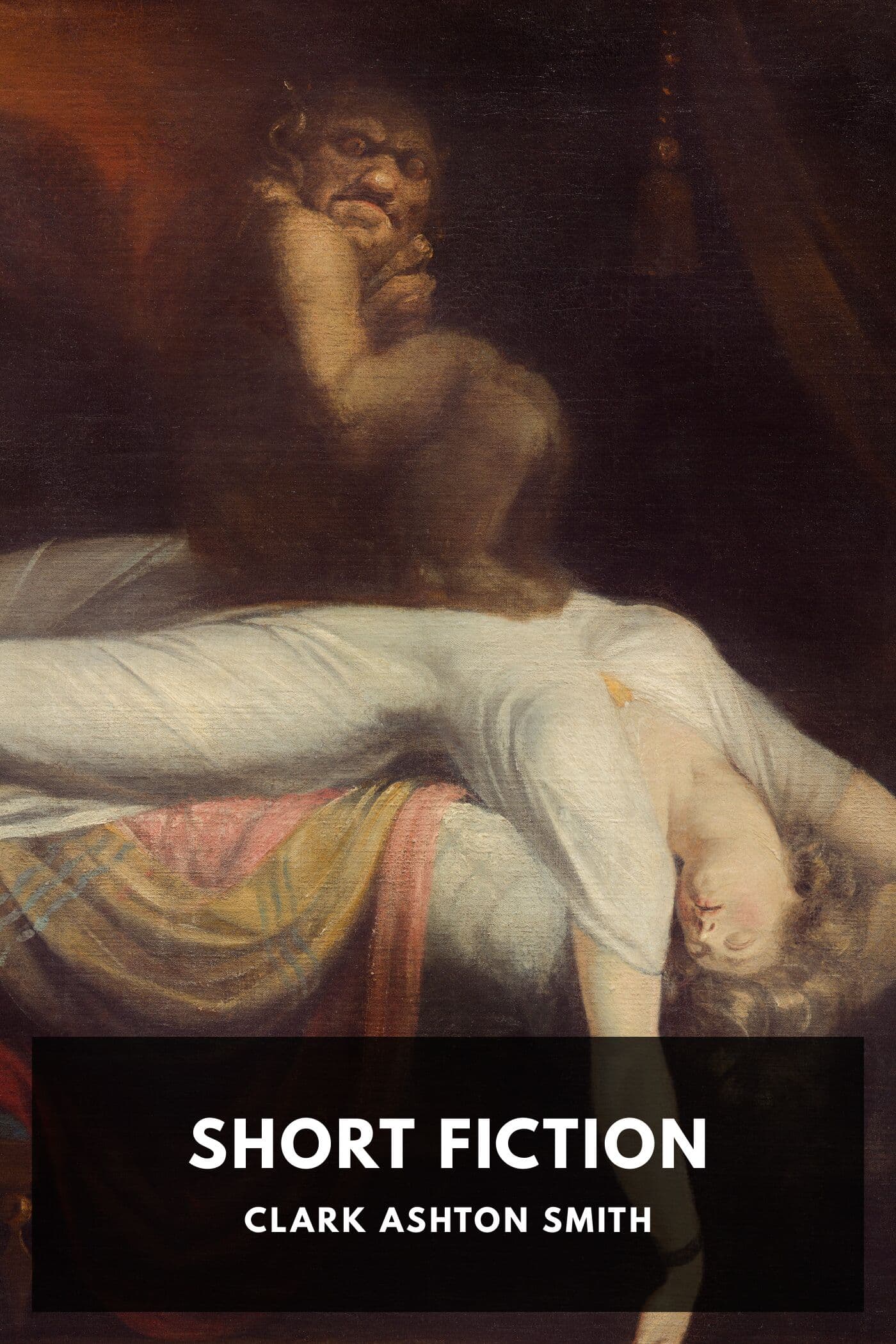




Link to this page
Add a free, dofollow link to Lex on your blog, forum, syllabus, or reading list.

<a href="https://lex-books.com/author/clark-ashton-smith"><img src="https://lex-books.com/badges/read-on-lex.svg" alt="Clark Ashton Smith on Lex" width="160" height="40"></a>[](https://lex-books.com/author/clark-ashton-smith)[url=https://lex-books.com/author/clark-ashton-smith][img]https://lex-books.com/badges/read-on-lex.svg[/img][/url]Clark Ashton Smith on Lex: https://lex-books.com/author/clark-ashton-smith