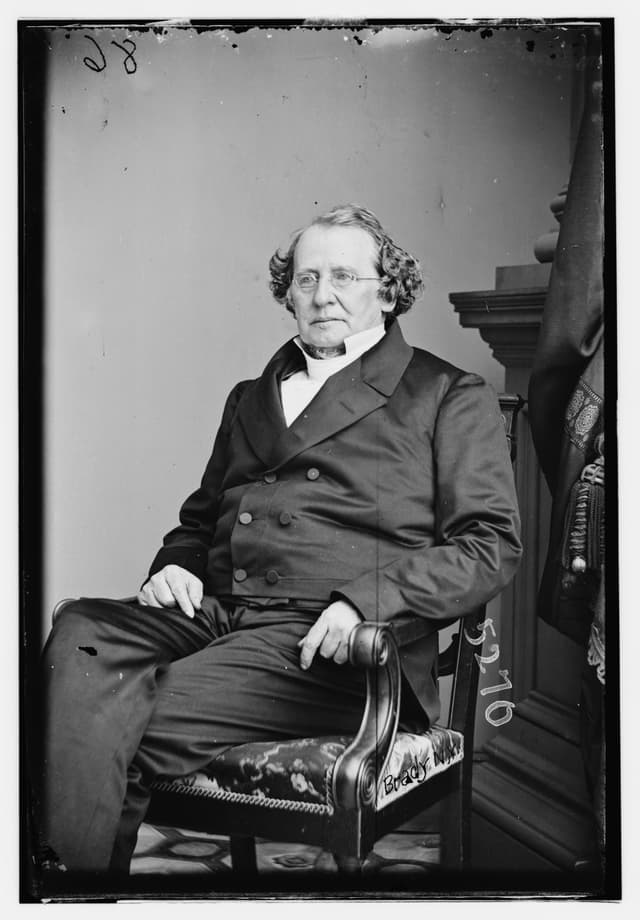
Charles Hodge
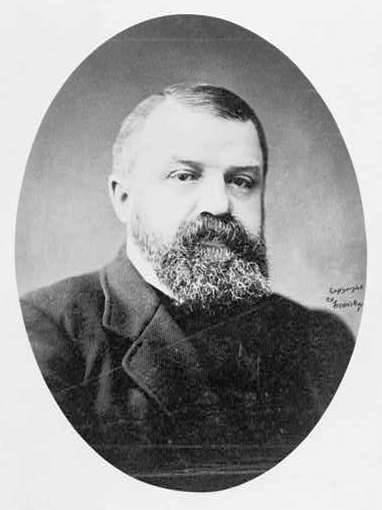
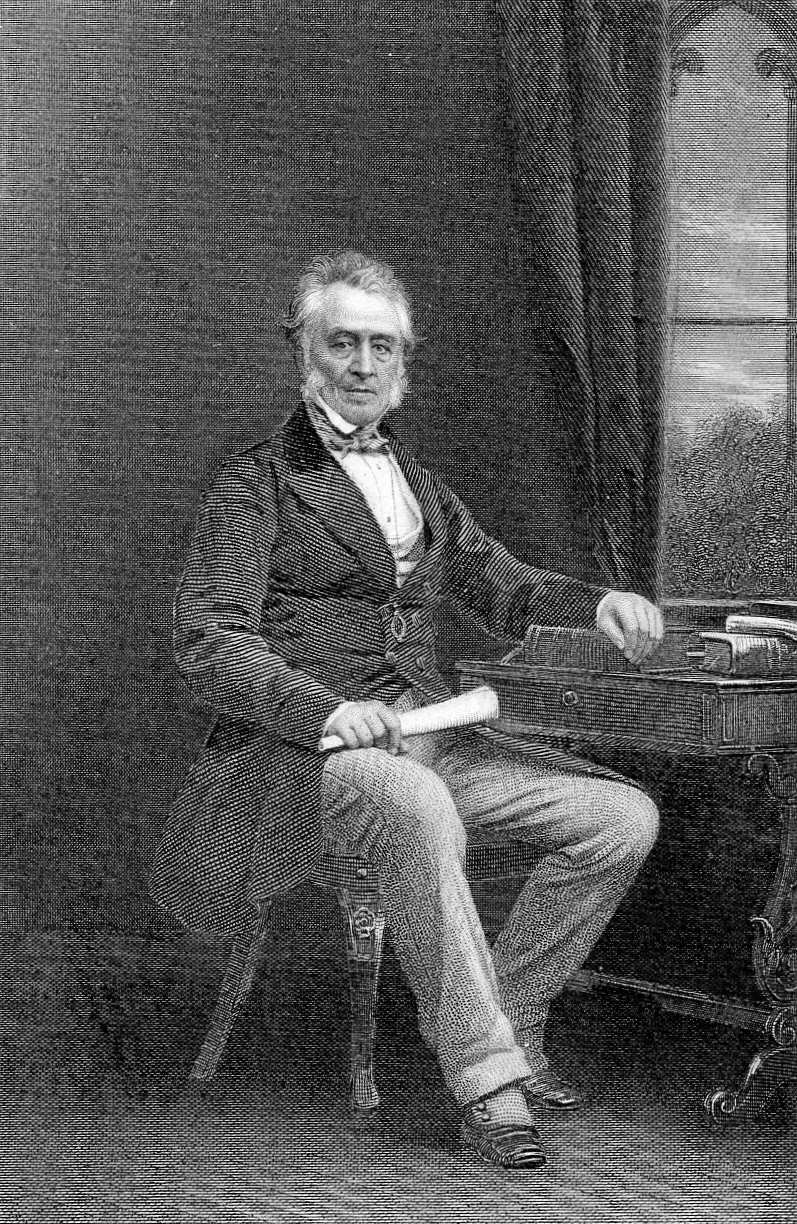
Charles Hodge was a prominent Reformed Presbyterian theologian who served as the principal of Princeton Theological Seminary from 1851 until his death in 1878. He was a leading figure in the development of Princeton Theology, an orthodox Calvinist tradition that played a significant role in shaping American Protestant thought in the 19th century. Hodge was a staunch advocate for the authority of the Bible, asserting its status as the inerrant Word of God, which laid the groundwork for later movements within Fundamentalism and Evangelicalism in the 20th century. Hodge's major works include his influential multi-volume 'Systematic Theology,' which provided a comprehensive framework for Reformed theology and addressed contemporary theological debates of his time. His writings emphasized the importance of doctrinal clarity and biblical fidelity, contributing to the preservation and propagation of Calvinist beliefs in an era marked by theological liberalism. Hodge's legacy endures through his impact on American theology, as his ideas continue to resonate within conservative Christian circles, influencing generations of theologians and laypeople alike.
Famous Quotes
View all 3 quotes“No one book of scripture can be understood by itself, any more than any one part of a tree or member of the body can be understood without reference to the whole of which it is a part.”
“It is plain that complete havoc must be made of the whole system of revealed truth, unless we consent to derive our philosophy from the Bible, instead of explaining the Bible by our philosophy.”
“It would be well if all who call themselves Christians, should learn that it is not their business to believe and teach what they may think true or right, but what God in his Holy Word has seen fit to reveal.”
Books from the author






Link to this page
Add a free, dofollow link to Lex on your blog, forum, syllabus, or reading list.

<a href="https://lex-books.com/author/charles-hodge"><img src="https://lex-books.com/badges/read-on-lex.svg" alt="Charles Hodge on Lex" width="160" height="40"></a>[](https://lex-books.com/author/charles-hodge)[url=https://lex-books.com/author/charles-hodge][img]https://lex-books.com/badges/read-on-lex.svg[/img][/url]Charles Hodge on Lex: https://lex-books.com/author/charles-hodge