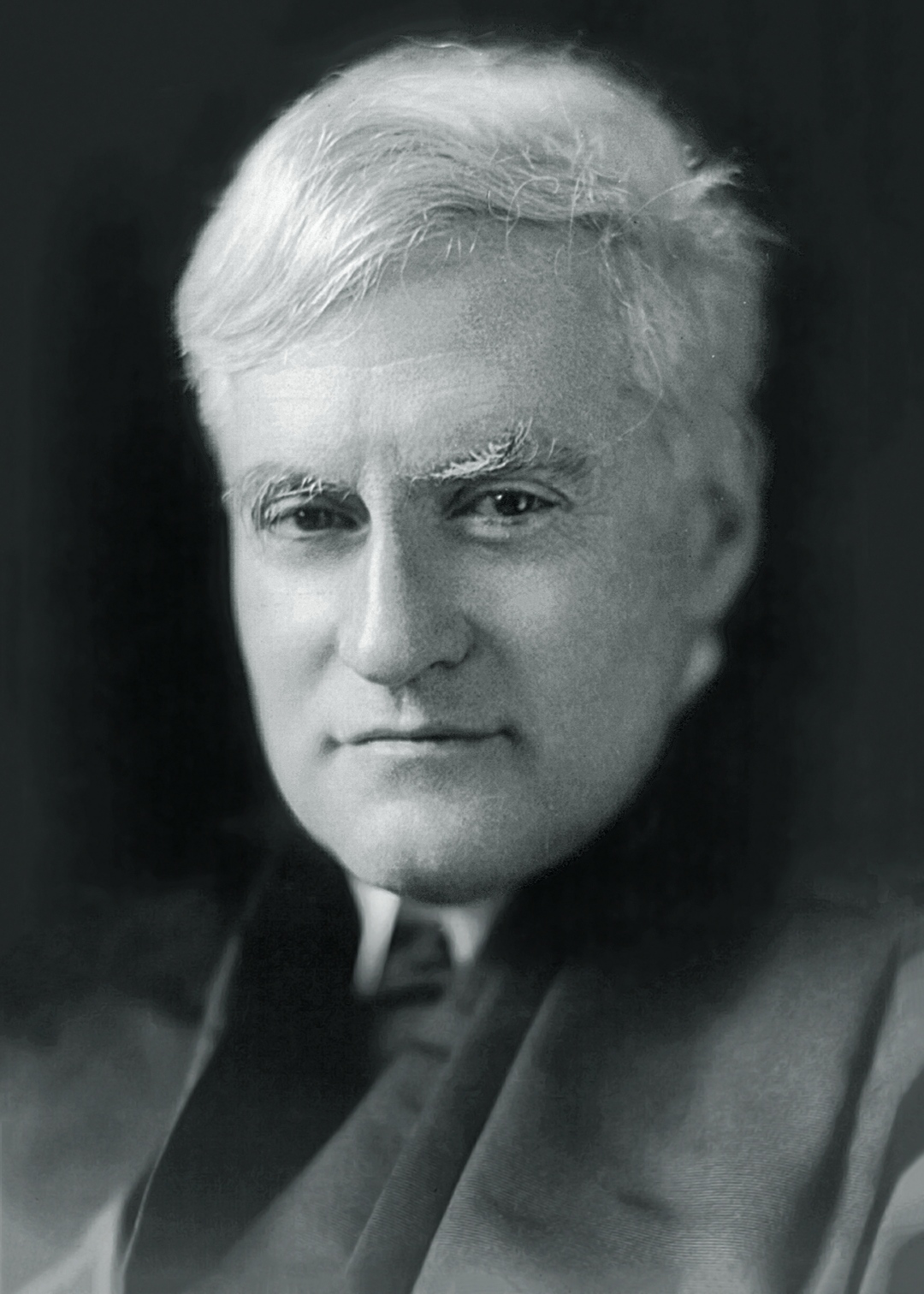
Benjamin N. Cardozo
Benjamin N. Cardozo was a prominent American jurist and legal scholar, known for his influential role in shaping modern American law. Born in New York City to a family of Sephardic Jewish descent, Cardozo excelled academically and graduated from Columbia Law School. He began his legal career in private practice but soon transitioned to public service, serving on the New York Court of Appeals, where he became its chief judge. His tenure on the bench was marked by a commitment to legal realism and a belief in the law's adaptability to social needs. Cardozo's most notable contributions to legal thought include his opinions in landmark cases that addressed issues such as tort law, contract law, and the relationship between law and morality. His writings, including the seminal work "The Nature of the Judicial Process," emphasized the importance of judicial discretion and the role of judges in interpreting the law in light of contemporary values. Cardozo's legacy endures in the principles he championed, which continue to influence legal theory and practice. His appointment to the U.S. Supreme Court in 1932 further solidified his status as a leading figure in American jurisprudence, where he continued to advocate for a progressive interpretation of the law until his death in 1938.
Famous Quotes
View all 4 quotes“In truth, I am nothing but a plodding mediocrity”
“You will study the wisdom of the past, for in a wilderness of conflicting counsels, a trail has there been blazed. You will study the life of mankind, for this is the life you must order, and, to order with wisdom, must know. You will study the precepts of justice, for these are the truths that through you shall come to their hour of triumph. Here is the high emprise, the fine endeavor, the splendid possibility of achievement, to which I summon you and bid you welcome.””
“Three great mysteries there are in the lives of mortal beings: the mystery of birth at the beginning; the mystery of death at the end; and, greater than either, the mystery of love. Everything that is most precious in life is a form of love. Art is a form of love, if it be noble; labor is a form of love, if it be worthy; thought is a form of love, if it be inspired.””
Books from the author


Link to this page
Add a free, dofollow link to Lex on your blog, forum, syllabus, or reading list.

<a href="https://lex-books.com/author/benjamin-n-cardozo"><img src="https://lex-books.com/badges/read-on-lex.svg" alt="Benjamin N. Cardozo on Lex" width="160" height="40"></a>[](https://lex-books.com/author/benjamin-n-cardozo)[url=https://lex-books.com/author/benjamin-n-cardozo][img]https://lex-books.com/badges/read-on-lex.svg[/img][/url]Benjamin N. Cardozo on Lex: https://lex-books.com/author/benjamin-n-cardozo