“In truth, I am nothing but a plodding mediocrity”
Quotes by Benjamin N. Cardozo
“You will study the wisdom of the past, for in a wilderness of conflicting counsels, a trail has there been blazed. You will study the life of mankind, for this is the life you must order, and, to order with wisdom, must know. You will study the precepts of justice, for these are the truths that through you shall come to their hour of triumph. Here is the high emprise, the fine endeavor, the splendid possibility of achievement, to which I summon you and bid you welcome.””
“Three great mysteries there are in the lives of mortal beings: the mystery of birth at the beginning; the mystery of death at the end; and, greater than either, the mystery of love. Everything that is most precious in life is a form of love. Art is a form of love, if it be noble; labor is a form of love, if it be worthy; thought is a form of love, if it be inspired.””
“THE work of deciding cases goes on every day in hundreds of courts throughout the land. Any judge, one might suppose, would find it easy to describe the process which he had followed a thousand times and more. Nothing could be farther from the truth. Let some intelligent layman ask him to explain: he will not go very far before taking refuge in the excuse that the language of craftsmen is unintelligible to those untutored in the craft. Such an excuse may cover with a semblance of respectability an otherwise ignominious retreat. It will hardly serve to still the pricks of curiosity and conscience. In moments of introspection, when there {10} is no longer a necessity of putting off with a show of wisdom the uninitiated interlocutor, the troublesome problem will recur, and press for a solution. What is it that I do when I decide a case? To what sources of information do I appeal for guidance? In what proportions do I permit them to contribute to the result? In what proportions ought they to contribute? If a precedent is applicable, when do I refuse to follow it? If no precedent is applicable, how do I reach the rule that will make a precedent for the future? If I am seeking logical consistency, the symmetry of the legal structure, how far shall I seek it? At what point shall the quest be halted by some discrepant custom, by some consideration of the social welfare, by my own or the common standards of justice and morals? Into that strange compound which is brewed daily in the caldron of the courts, all these ingredients enter in varying proportions. I am not concerned to inquire whether judges ought to be allowed to brew such a compound at all. I take judge-made law as one of the existing realities of life. There, before us, {11} is the brew. Not a judge on the bench but has had a hand in the making.””
The Nature of the Judicial Process (Annotated)
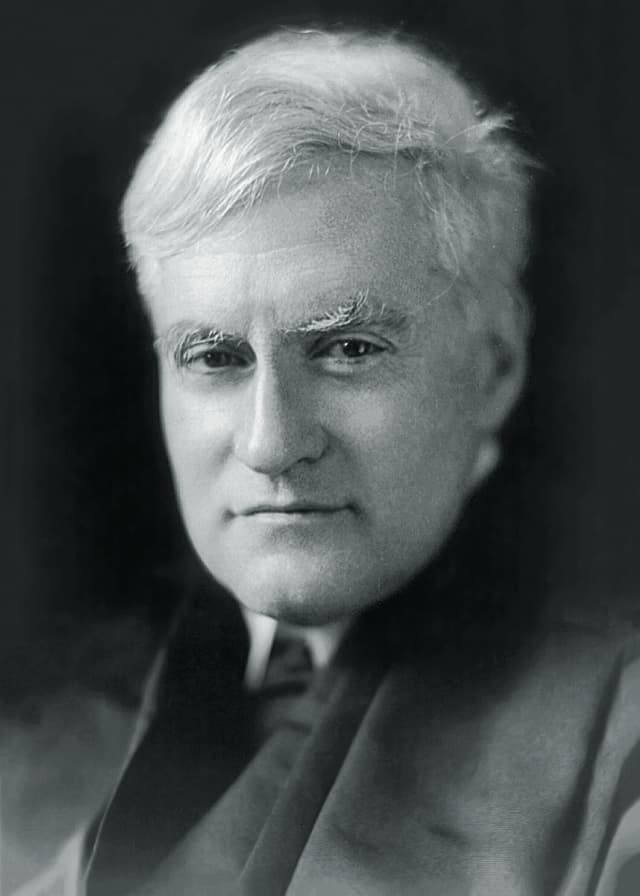 Benjamin N. Cardozo
Benjamin N. Cardozo was a prominent American jurist and legal scholar, known for his influential role in shaping modern American law. Born in New York City to a family of Sephardic Jewish descent, Car...