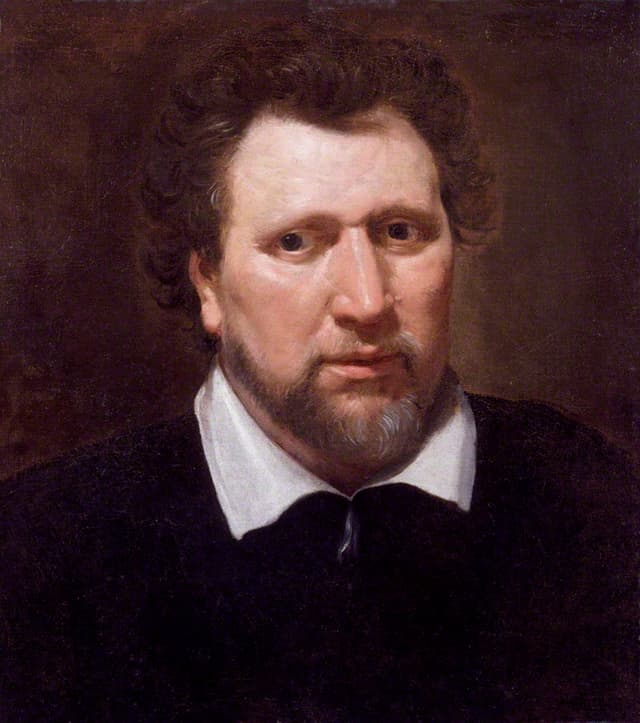
Ben Jonson
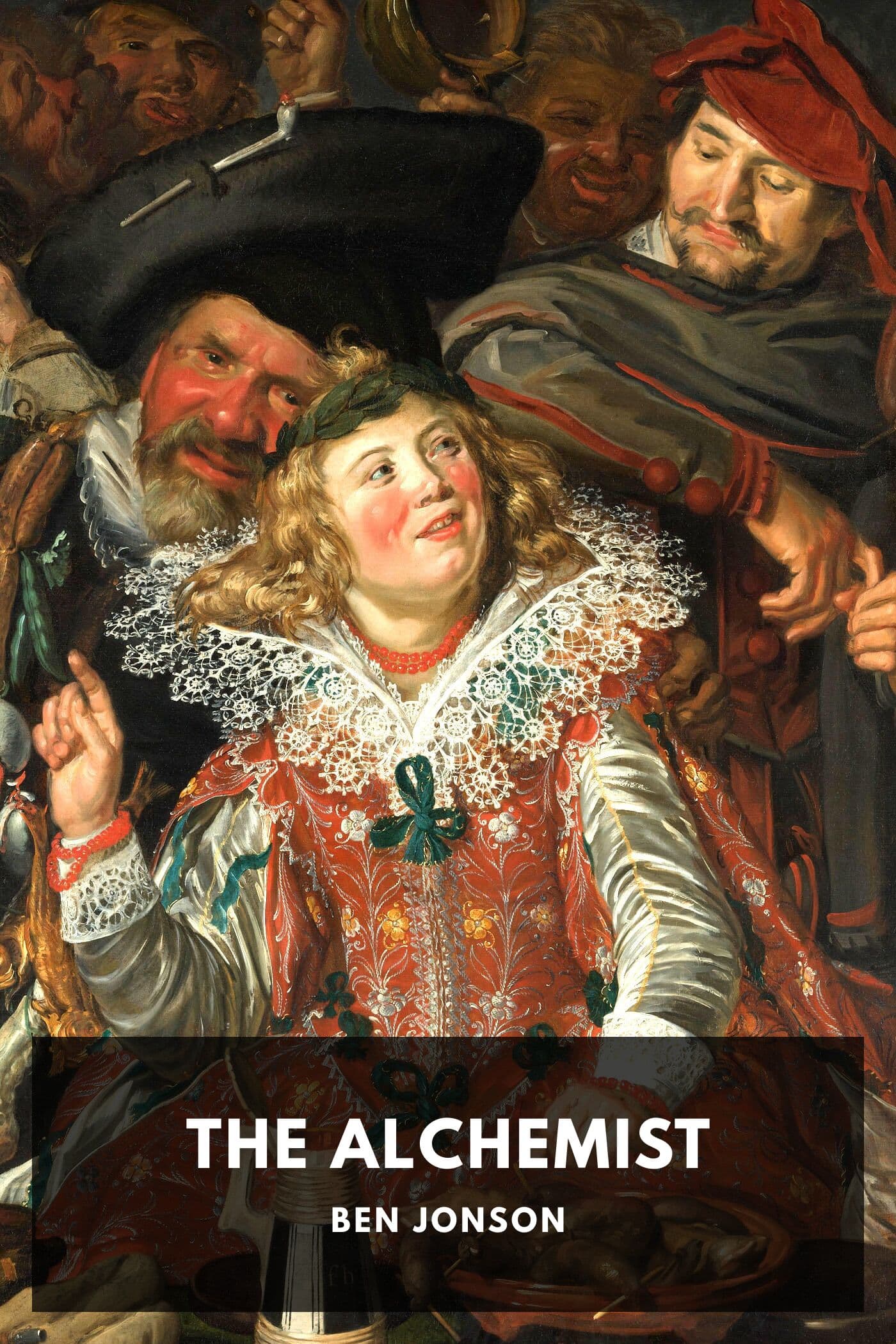
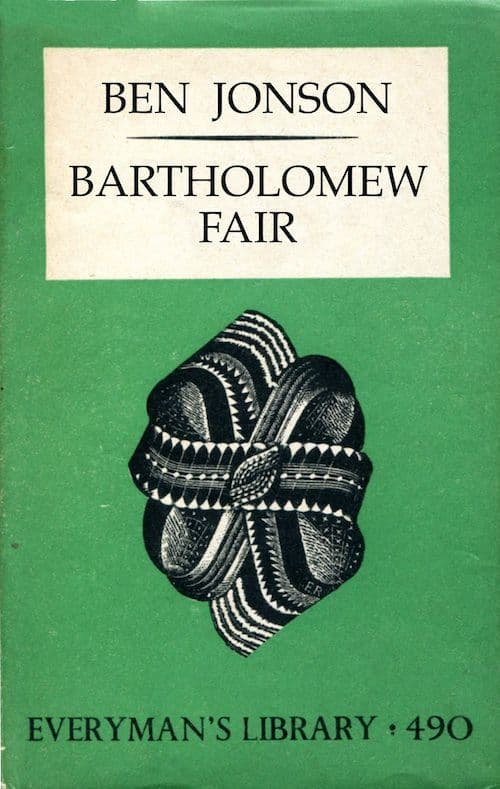
Ben Jonson was a prominent English poet and playwright whose work significantly shaped the landscape of English theatre and poetry in the early 17th century. He is best known for his innovative contributions to the comedy of humours, a genre that explores the interplay of character traits and social behavior. His most celebrated plays, including 'Every Man in His Humour' (1598), 'Volpone, or The Fox', 'The Alchemist' (1610), and 'Bartholomew Fair' (1614), showcase his sharp wit and keen observations of human nature, often laced with satire and social commentary. Jonson's ability to blend humor with critical insights into society set him apart as a playwright of great significance during his time. Jonson's influence extended beyond his own works; he was a key figure in the development of English drama and poetry, earning recognition as the second most important English dramatist after William Shakespeare during the reign of James I. His lyric poetry and epigrams further demonstrated his mastery of language and form, contributing to his legacy as a versatile and innovative artist. Jonson's impact on the theatrical world and his role in shaping the comedic genre have left a lasting mark, ensuring his place in the annals of literary history.
Famous Quotes
View all 52 quotes“MOSCAI fear, I shall begin to grow in love With my dear self, and my most prosperous parts, They do so spring and burgeon; I can feel A whimsy in my blood: I know not how, Success hath made me wanton. I could skip Out of my skin, now, like a subtle snake, I am so limber. O! your parasite Is a most precious thing, dropt from above, Not bred 'mongst clods, and clodpoles, here on earth. I muse, the mystery was not made a science, It is so liberally profest! almost All the wise world is little else, in nature, But parasites, or sub-parasites.—And yet, I mean not those that have your bare town-art, To know who's fit to feed them; have no house, No family, no care, and therefore mould Tales for men's ears, to bait that sense; or get Kitchen-invention, and some stale receipts To please the belly, and the groin; nor those, With their court dog-tricks, that can fawn and fleer, Make their revenue out of legs and faces, Echo my lord, and lick away a moth: But your fine elegant rascal, that can rise, And stoop, almost together, like an arrow; Shoot through the air as nimbly as a star; Turn short as doth a swallow; and be here, And there, and here, and yonder, all at once; Present to any humour, all occasion; And change a visor, swifter than a thought! This is the creature had the art born with him; Toils not to learn it, but doth practise it Out of most excellent nature: and such sparks Are the true parasites, others but their zanis.”
“MOS: And besides, sir, You are not like a thresher that doth stand With a huge flail, watching a heap of corn, And, hungry, dares not taste the smallest grain, But feeds on mallows, and such bitter herbs; Nor like the merchant, who hath fill'd his vaults With Romagnia, and rich Candian wines, Yet drinks the lees of Lombard's vinegar: You will not lie in straw, whilst moths and worms Feed on your sumptuous hangings and soft beds; You know the use of riches, and dare give now From that bright heap, to me, your poor observer, Or to your dwarf, or your hermaphrodite, Your eunuch, or what other household-trifle Your pleasure allows maintenance.”
“Though I am young, and cannot tell Either what Death or Love is well,Yet I have heard they both bear darts, And both do aim at human hearts.And then again, I have been told Love wounds with heat, as Death with cold;So that I fear they do but bring Extremes to touch, and mean one thing.As in a ruin we it call One thing to be blown up, or fall;Or to our end like way may have By a flash of lightning, or a wave;So Love’s inflamèd shaft or brand May kill as soon as Death’s cold hand;Except Love’s fires the virtue have To fight the frost out of the grave.”
Books from the author


Link to this page
Add a free, dofollow link to Lex on your blog, forum, syllabus, or reading list.

<a href="https://lex-books.com/author/ben-jonson"><img src="https://lex-books.com/badges/read-on-lex.svg" alt="Ben Jonson on Lex" width="160" height="40"></a>[](https://lex-books.com/author/ben-jonson)[url=https://lex-books.com/author/ben-jonson][img]https://lex-books.com/badges/read-on-lex.svg[/img][/url]Ben Jonson on Lex: https://lex-books.com/author/ben-jonson