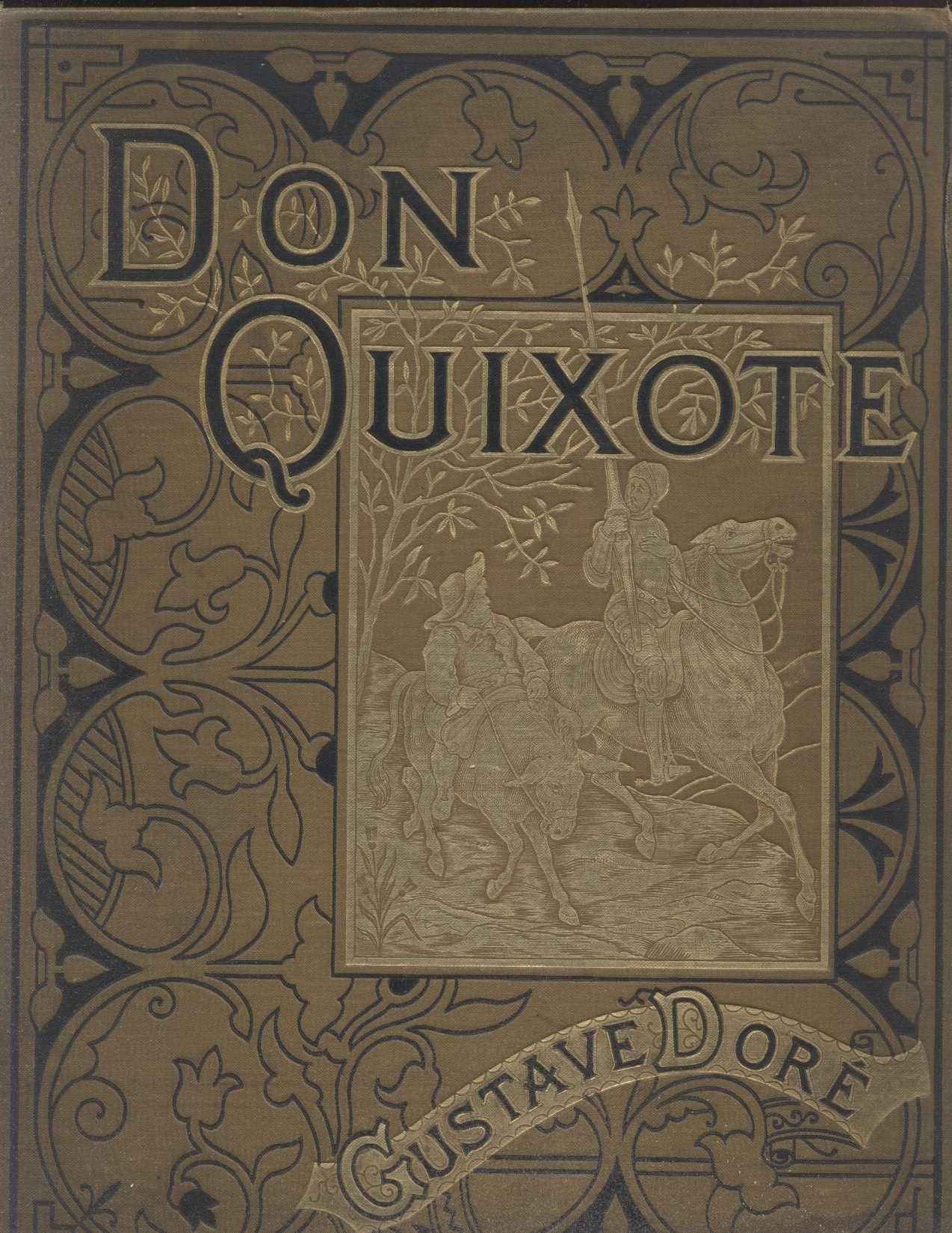
A Brief Account of the Destruction of the Indies: Or, a Faithful NARRATIVE OF THE Horrid and Unexampled Massacres, Butcheries, and All Manner of Cruelties, That Hell and Malice Could Invent, Committed by the Popish Spanish Party on the Inhabitants of West-India, TOGETHER with the Devastations of Several Kingdoms in America by Fire and Sword, for the Space of Forty and Two Years, from the Time of Its First Discovery by Them.
1552
A Brief Account of the Destruction of the Indies: Or, a Faithful NARRATIVE OF THE Horrid and Unexampled Massacres, Butcheries, and All Manner of Cruelties, That Hell and Malice Could Invent, Committed by the Popish Spanish Party on the Inhabitants of West-India, TOGETHER with the Devastations of Several Kingdoms in America by Fire and Sword, for the Space of Forty and Two Years, from the Time of Its First Discovery by Them.
1552
One of the most urgent documents ever written. In 1542, a Spanish Dominican friar sat down to record what he had seen: the systematic annihilation of entire civilizations across the Atlantic. Bartolomé de las Casas had arrived in the Americas as a young man hungry for adventure and profit. What he witnessed instead was so horrifying that he abandoned everything, surrendered his own indigenous slaves, and dedicated the rest of his life to pleading for a people being wiped from the earth. His account reads not as history but as testimony from a man who watched innocents butchered, communities burned, and entire kingdoms silenced, all in the name of gold and the cross. He wrote to Philip II with a single demand: recognize the Indians as fully human, or bear the weight of their blood forever. This is the book that shifted the moral imagination of Europe, that birthed the myth of Spanish cruelty, and that remains, five centuries later, an unbearable reckoning with the cost of empire.
Editions
X-Ray
“And why have you burnt our Gods, when others are brought from other Regions by the Spaniards? Are the Gods of other Provinces more sacred than ours?””
— Bartolomé de las Casas
“En las cuales (si se permitiesen) han de tornarse a hacer, pues de sí mismas (hechas contra aquellas indianas gentes, pacíficas, humildes y mansas que a nadie ofenden) son inicuas, tiránicas, y por toda ley natural, divina y humana condenadas, detestadas””
— Bartolomé de las Casas
“por un cristiano que los indios matasen, habían los cristianos de matar cien indios.””
— Bartolomé de las Casas
“yo he oído decir a muchos seglares españoles de muchos años acá e muchas veces, no pudiendo negar la bondad que en ellos veen: “cierto, estas gentes eran las más bienaventuradas del mundo, si solamente conoscieran a Dios”.””
— Bartolomé de las Casas
“Comúnmente mataban a los señores y nobles de esta manera: que hacían unas parrillas de varas sobre horquetas y atábanlos en ellas y poníanles por debajo fuego manso, para que poco a poco, dando alaridos en aquellos tormentos, desesperados, se les salían las ánimas.””
— Bartolomé de las Casas
“Todas estas universas e infinitas gentes a toto genero crió Dios los más simples, sin maldades ni dobleces, obedientísimas, fidelísimas a sus señores naturales e a los cristianos a quien sirven; más humildes, más pacientes, más pacíficas e quietas, sin rencillas ni bollicios, no rijosos, no querulosos, sin rancores, sin odios, sin desear venganzas, que hay en el mundo. Son””
— Bartolomé de las Casas
“Esto parece haber dado a entender la divina escriptura en los proverbios de Salomón: Rex, qui sedet in solio judicii, dissipat omne malum in tuitu suo [El Rey que está sentado en el solio del juicio disipa todo mal con su mirada]. Porque””
— Bartolomé de las Casas
“Como la providencia divina tenga ordenado en su mundo que para dirección y común utilidad del linaje humano se constituyesen en los Reinos y pueblos, reyes, como padres y pastores (según los nombra Homero), y por consiguiente sean los más nobles y generosos miembros de las repúblicas, ninguna dubda de la rectitud de sus ánimos reales se tiene, o con recta razón se debe tener, que si algunos defectos, nocumentos y males se padecen en ellas, no ser otra la causa sino carecer los reyes de la noticia dellos. Los””
— Bartolomé de las Casas
“Y porque toda la gente que huir podía se encerraba en los montes y subía a las sierras huyendo de hombres tan inhumanos, tan sin piedad y tan feroces bestias, extirpadores y capitales enemigos del linaje humano, ense””
— Bartolomé de las Casas
Link to this book
Add a free, dofollow link to Lex on your blog, forum, syllabus, or reading list.

<a href="https://lex-books.com/book/a-brief-account-of-the-destruction-of-the-indies-or-a-faithful-narrative-of-the--3a616371-eda6-4875-bf48-ee97f0f0c0bb"><img src="https://lex-books.com/badges/read-on-lex.svg" alt="Read A Brief Account of the Destruction of the Indies: Or, a Faithful NARRATIVE OF THE Horrid and Unexampled Massacres, Butcheries, and All Manner of Cruelties, That Hell and Malice Could Invent, Committed by the Popish Spanish Party on the Inhabitants of West-India, TOGETHER with the Devastations of Several Kingdoms in America by Fire and Sword, for the Space of Forty and Two Years, from the Time of Its First Discovery by Them. by Bartolomé de las Casas free on Lex" width="160" height="40"></a>[](https://lex-books.com/book/a-brief-account-of-the-destruction-of-the-indies-or-a-faithful-narrative-of-the--3a616371-eda6-4875-bf48-ee97f0f0c0bb)[url=https://lex-books.com/book/a-brief-account-of-the-destruction-of-the-indies-or-a-faithful-narrative-of-the--3a616371-eda6-4875-bf48-ee97f0f0c0bb][img]https://lex-books.com/badges/read-on-lex.svg[/img][/url]Read A Brief Account of the Destruction of the Indies: Or, a Faithful NARRATIVE OF THE Horrid and Unexampled Massacres, Butcheries, and All Manner of Cruelties, That Hell and Malice Could Invent, Committed by the Popish Spanish Party on the Inhabitants of West-India, TOGETHER with the Devastations of Several Kingdoms in America by Fire and Sword, for the Space of Forty and Two Years, from the Time of Its First Discovery by Them. by Bartolomé de las Casas free on Lex: https://lex-books.com/book/a-brief-account-of-the-destruction-of-the-indies-or-a-faithful-narrative-of-the--3a616371-eda6-4875-bf48-ee97f0f0c0bbCite this book
Reading this edition for a paper or guide? Copy a citation.
Casas, Bartolomé de las. A Brief Account of the Destruction of the Indies: Or, a Faithful NARRATIVE OF THE Horrid and Unexampled Massacres, Butcheries, and All Manner of Cruelties, That Hell and Malice Could Invent, Committed by the Popish Spanish Party on the Inhabitants of West-India, TOGETHER with the Devastations of Several Kingdoms in America by Fire and Sword, for the Space of Forty and Two Years, from the Time of Its First Discovery by Them.. Lex, lex-books.com/book/a-brief-account-of-the-destruction-of-the-indies-or-a-faithful-narrative-of-the--3a616371-eda6-4875-bf48-ee97f0f0c0bb.Casas, B. D. L. (1552). A Brief Account of the Destruction of the Indies: Or, a Faithful NARRATIVE OF THE Horrid and Unexampled Massacres, Butcheries, and All Manner of Cruelties, That Hell and Malice Could Invent, Committed by the Popish Spanish Party on the Inhabitants of West-India, TOGETHER with the Devastations of Several Kingdoms in America by Fire and Sword, for the Space of Forty and Two Years, from the Time of Its First Discovery by Them.. Lex. https://lex-books.com/book/a-brief-account-of-the-destruction-of-the-indies-or-a-faithful-narrative-of-the--3a616371-eda6-4875-bf48-ee97f0f0c0bbCasas, Bartolomé de las. A Brief Account of the Destruction of the Indies: Or, a Faithful NARRATIVE OF THE Horrid and Unexampled Massacres, Butcheries, and All Manner of Cruelties, That Hell and Malice Could Invent, Committed by the Popish Spanish Party on the Inhabitants of West-India, TOGETHER with the Devastations of Several Kingdoms in America by Fire and Sword, for the Space of Forty and Two Years, from the Time of Its First Discovery by Them.. Lex. https://lex-books.com/book/a-brief-account-of-the-destruction-of-the-indies-or-a-faithful-narrative-of-the--3a616371-eda6-4875-bf48-ee97f0f0c0bb.