
Antoine Furetière
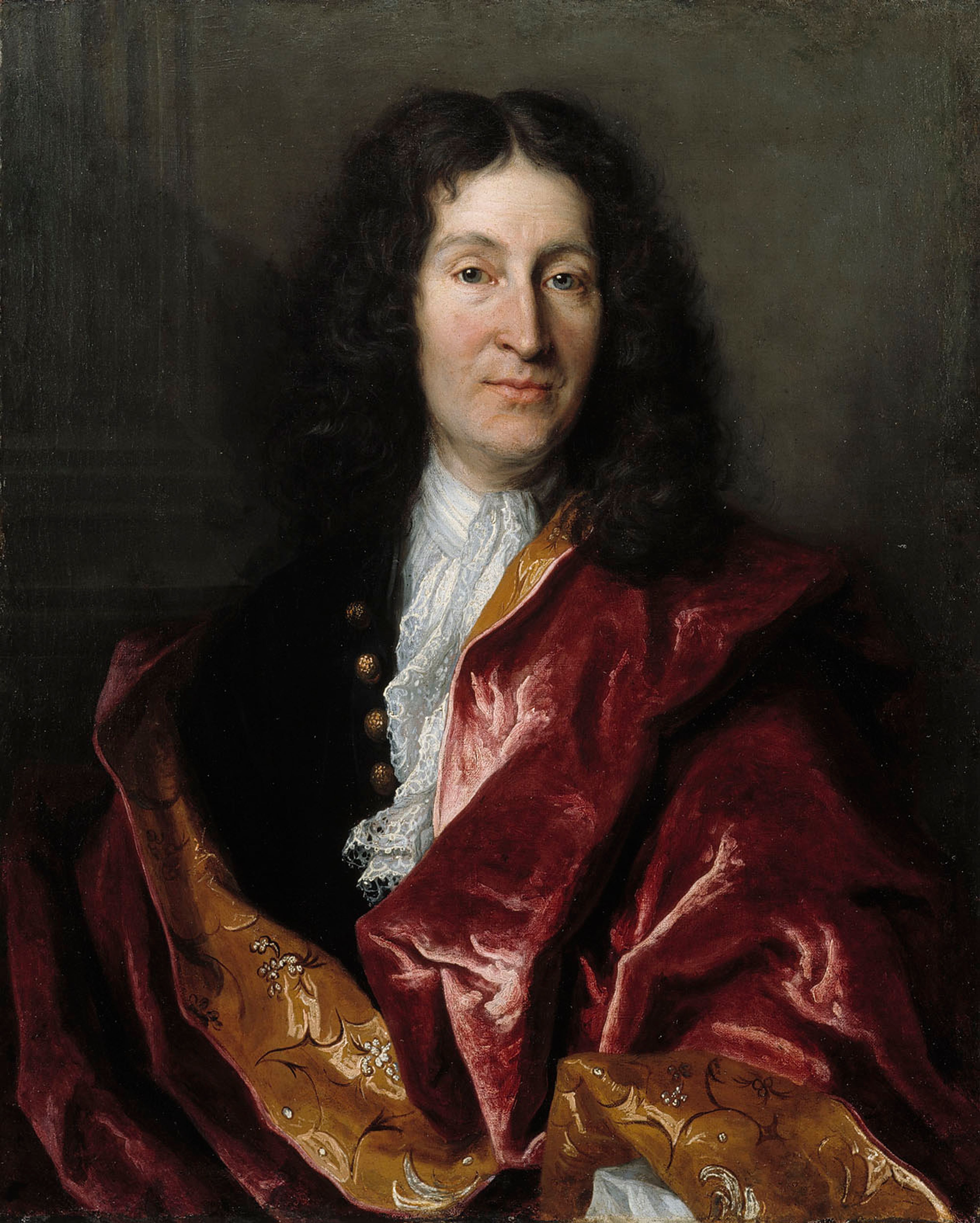
Antoine Furetière was a French writer and lexicographer, best known for his contributions to the development of the French language and literature in the 17th century. Born in 1619, he initially pursued a career in law but soon turned to writing, where he made his mark as a playwright and novelist. His most notable work, 'La Comédie de la Mort,' was a satirical play that critiqued the moral and social issues of his time, showcasing his keen observational skills and wit. Furetière's literary career was also marked by his involvement in the early stages of the French Academy, where he sought to refine and standardize the French language through his lexicographical efforts. Furetière's most significant legacy lies in his dictionary, 'Dictionnaire universel,' published posthumously in 1690. This work was one of the first comprehensive dictionaries of the French language, aiming to provide clarity and precision to the vocabulary of the time. His approach to lexicography was innovative, as he included not only definitions but also examples of usage, which influenced later dictionaries. Although he faced criticism and rivalry from contemporaries, including members of the French Academy, Furetière's contributions to language and literature have secured his place in the history of French literary culture, paving the way for future lexicographers and writers.
Books from the author



Link to this page
Add a free, dofollow link to Lex on your blog, forum, syllabus, or reading list.

<a href="https://lex-books.com/author/antoine-furetière"><img src="https://lex-books.com/badges/read-on-lex.svg" alt="Antoine Furetière on Lex" width="160" height="40"></a>[](https://lex-books.com/author/antoine-furetière)[url=https://lex-books.com/author/antoine-furetière][img]https://lex-books.com/badges/read-on-lex.svg[/img][/url]Antoine Furetière on Lex: https://lex-books.com/author/antoine-furetière