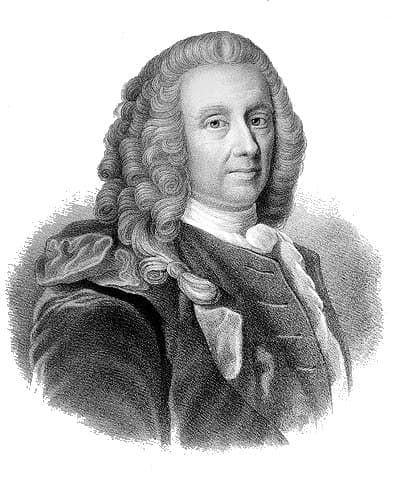
Ludvig Holberg
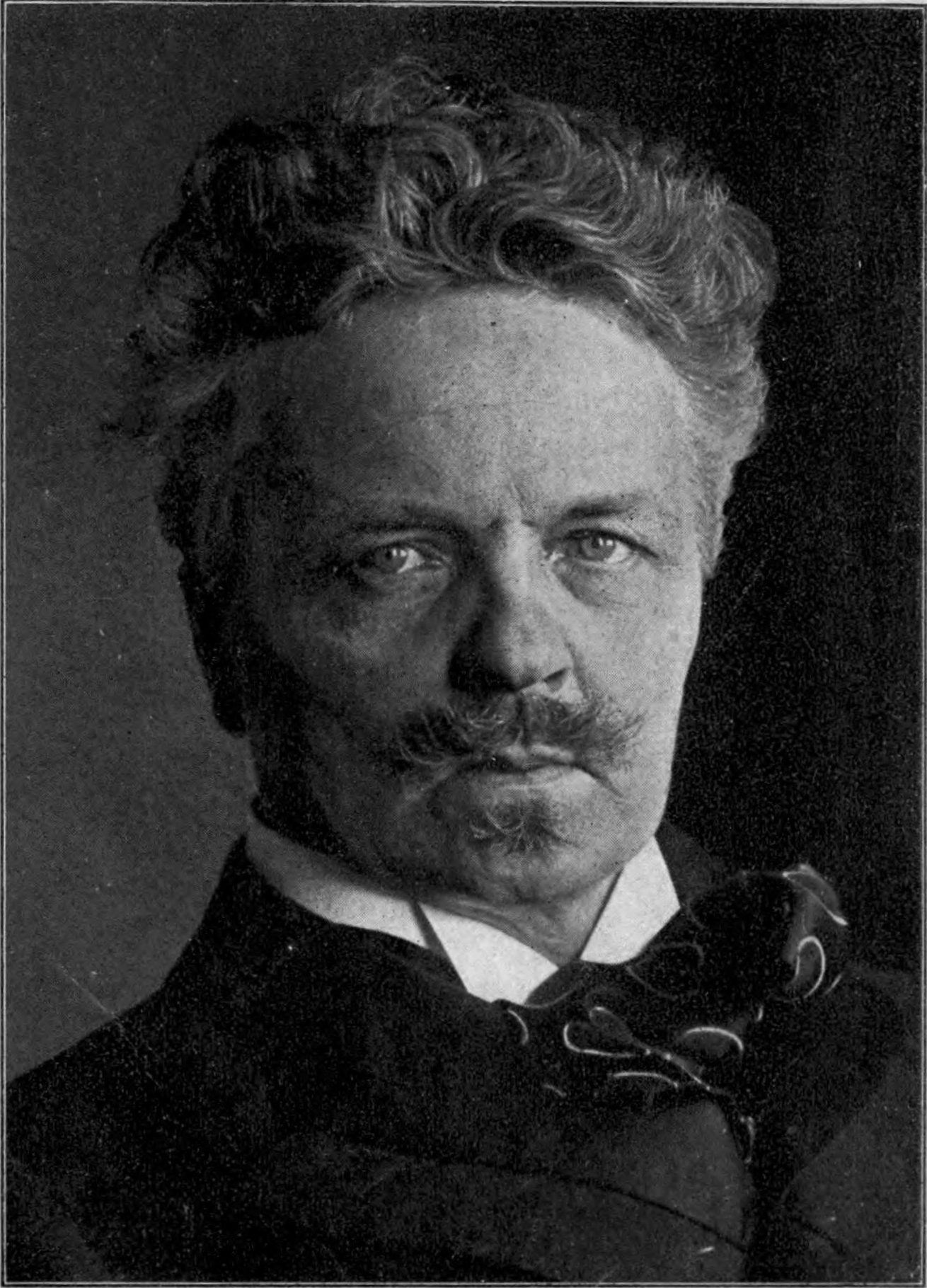
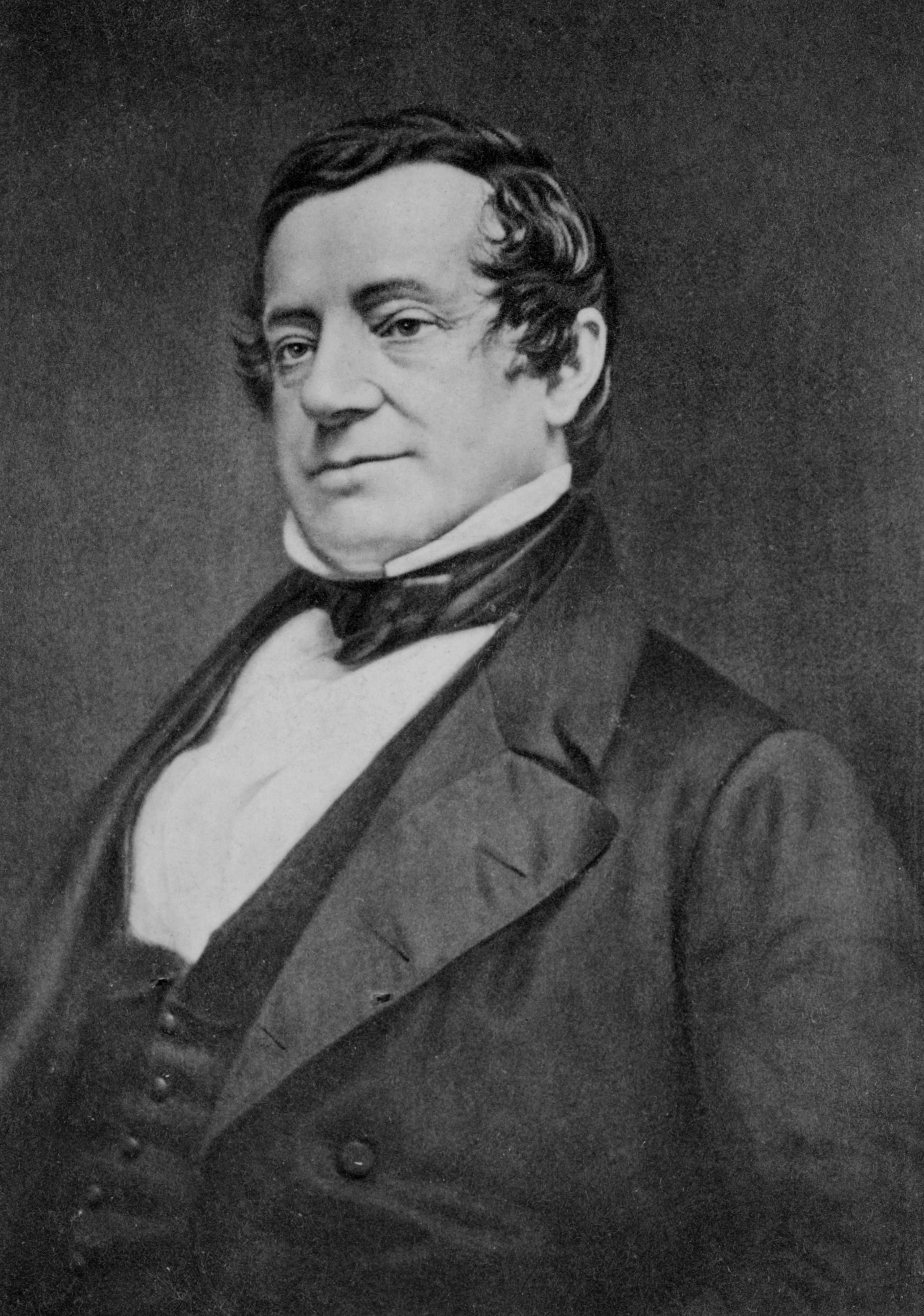
Ludvig Holberg was a multifaceted writer, philosopher, and playwright, born in Bergen, Norway, during the Dano-Norwegian dual monarchy. His literary career flourished in the early 18th century, and he is often hailed as the founder of modern Danish and Norwegian literature. Holberg's works were deeply influenced by Humanism, the Enlightenment, and the Baroque, reflecting the intellectual currents of his time. He gained prominence for his comedies, particularly those written for the Lille Grønnegade Theatre in Copenhagen between 1722 and 1723, which showcased his sharp wit and keen observations of society. His ability to blend humor with social critique set a precedent for future playwrights in the region. In addition to his theatrical contributions, Holberg was a significant Neo-Latin author, whose writings reached audiences across Europe. His essays and treatises on natural and common law became essential reading for Danish law students for over two centuries, from 1736 to 1936, underscoring his impact on legal thought and education. Holberg's legacy endures not only in the realm of literature but also in the broader cultural and intellectual landscape of Scandinavia, where he is celebrated as a pioneering figure who helped shape the literary and philosophical discourse of his time.
Famous Quotes
View all 19 quotes“A philosopher is a scientific tradesman, who, for a certain price, sells prescriptions of self-denial, temperance and poverty; he generally preaches the pains of wealth, till he becomes rich himself, when he abandons the world for a comfortable and dignified retreat. The father of the philosophers, Seneca, is said to have collected royal wealth.A poet is one who makes a great stir with printed prattle, falsehood and fury. Madness is the characteristic of the true poet. All those who express themselves, with clearness, precision and simplicity are deemed unworthy of the laurel wreath.The grammarians are a sort of military body, who disturb the public peace. They are distinguished from all other warriors, by dress and weapons. They wear black instead of colored uniforms, and wield pens rather than swords. They fight with as much obstinacy for letters and words as do the others for liberty and father-land.””
“Hun fikk faktisk feber og døde.””
“...tilstaaer jeg gierne, at Charactererne ere outrerede udi visse Stykker; men maa derhos sige, at Agt er skeed af heel beraad Hu, og af en pur Fornødenhed, saasom jeg saavel som andre af Erfarenhed haver mærket, at Skuespill uden outrerede Characterer, eller uden det, som Academiske Censores ansee som Feil, ingen Virkning have.””
Books from the author




Link to this page
Add a free, dofollow link to Lex on your blog, forum, syllabus, or reading list.

<a href="https://lex-books.com/author/ludvig-holberg"><img src="https://lex-books.com/badges/read-on-lex.svg" alt="Ludvig Holberg on Lex" width="160" height="40"></a>[](https://lex-books.com/author/ludvig-holberg)[url=https://lex-books.com/author/ludvig-holberg][img]https://lex-books.com/badges/read-on-lex.svg[/img][/url]Ludvig Holberg on Lex: https://lex-books.com/author/ludvig-holberg