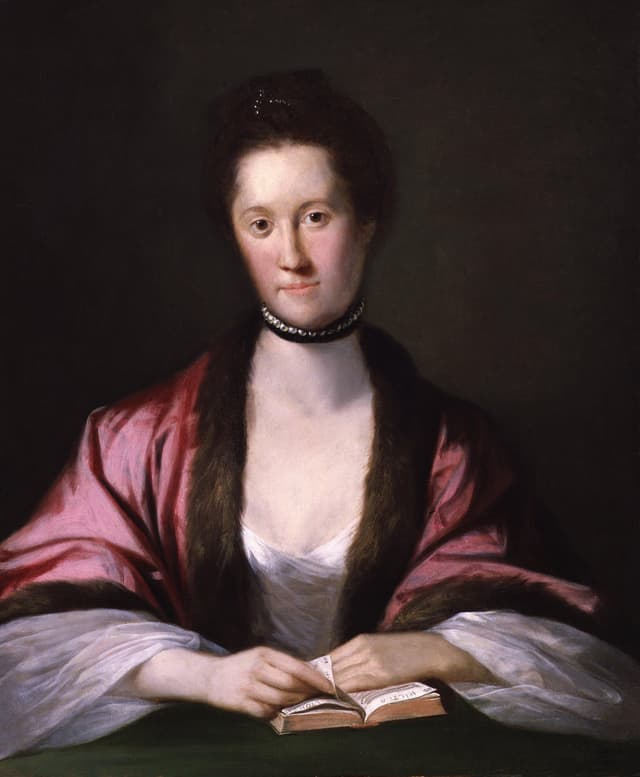
Anna Seward
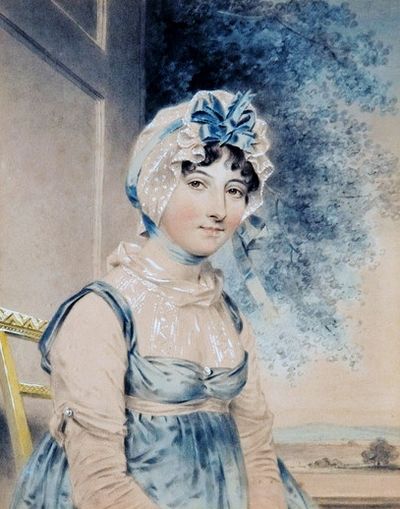
Anna Seward was an influential English Romantic poet, renowned for her lyrical poetry and her role in the literary circles of her time. Born in Lichfield, she was educated by her father, who championed progressive views on female education, allowing her to cultivate her literary talents. Seward's poetry often explored themes of nature, love, and loss, and she gained recognition for her ability to blend personal emotion with broader societal reflections. Her notable works include 'Elegy on Captain Cook' and 'The Letters of Anna Seward', which provide insight into her thoughts and the literary culture of the late 18th century. Seward's significance extends beyond her poetry; she was a prominent figure in the Romantic movement and corresponded with many leading literary figures, including Samuel Johnson and Robert Southey. Her contributions to the genre of poetry and her advocacy for women's education and rights positioned her as a precursor to later feminist thought. Despite being overshadowed by her male contemporaries, Seward's legacy endures through her writings, which continue to be studied for their emotional depth and historical context.
Famous Quotes
View all 2 quotes“When Death, or adverse Fortune's ruthless gale, Tears our best hopes away, the wounded Heart Exhausted, leans on all that can impart The charm of Sympathy; her mutual wail How soothing! never can her warm tears fail To balm our bleeding grief's severest smart; Nor wholly vain feign'd Pity's solemn art, Tho' we should penetrate her sable veil. Concern, e'en known to be assum'd, our pains Respecting, kinder welcome far acquires Than cold Neglect, or Mirth that Grief profanes. Thus each faint Glow-worm of the Night conspires, Gleaming along the moss'd and darken'd lanes, To cheer the Gloom with her unreal fires.”
“Not the slow Hearse, where nod the sable plumes, The Parian Statue, bending o'er the Urn, The dark robe floating, the dejection worn On the dropt eye, and lip no smile illumes; Not all this pomp of sorrow, that presumes It pays Affection's debt, is due concern To the FOR EVER ABSENT, tho' it mourn Fashion's allotted time. If Time consumes, While Life is ours, the precious vestal-flame Memory shou'd hourly feed;—if, thro' each day, She with whate'er we see, hear, think, or say, Blend not the image of the vanish'd Frame, O! can the alien Heart expect to prove, In worlds of light and life, a reunited love!”
Books from the author


Link to this page
Add a free, dofollow link to Lex on your blog, forum, syllabus, or reading list.

<a href="https://lex-books.com/author/anna-seward"><img src="https://lex-books.com/badges/read-on-lex.svg" alt="Anna Seward on Lex" width="160" height="40"></a>[](https://lex-books.com/author/anna-seward)[url=https://lex-books.com/author/anna-seward][img]https://lex-books.com/badges/read-on-lex.svg[/img][/url]Anna Seward on Lex: https://lex-books.com/author/anna-seward