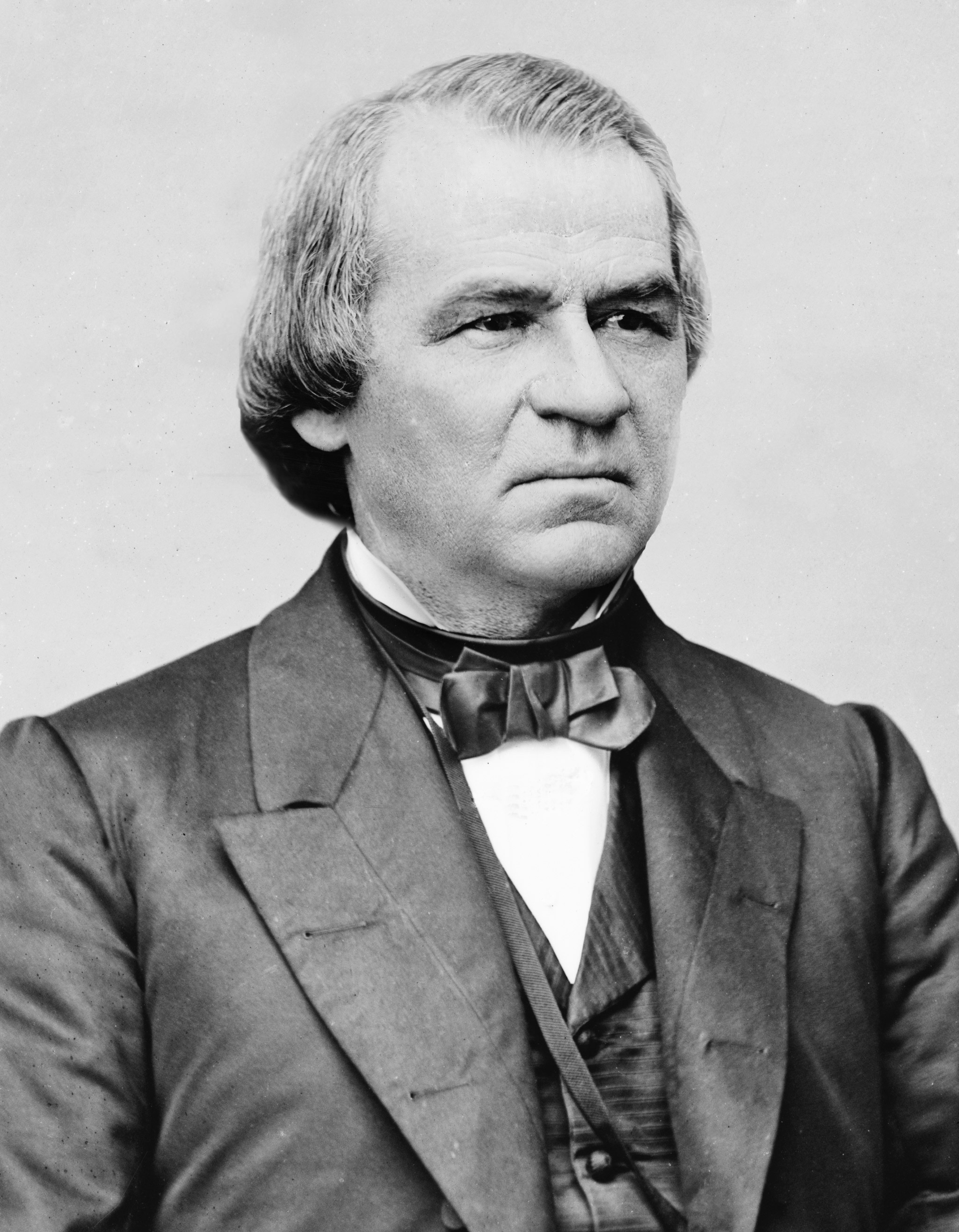
Andrew Johnson
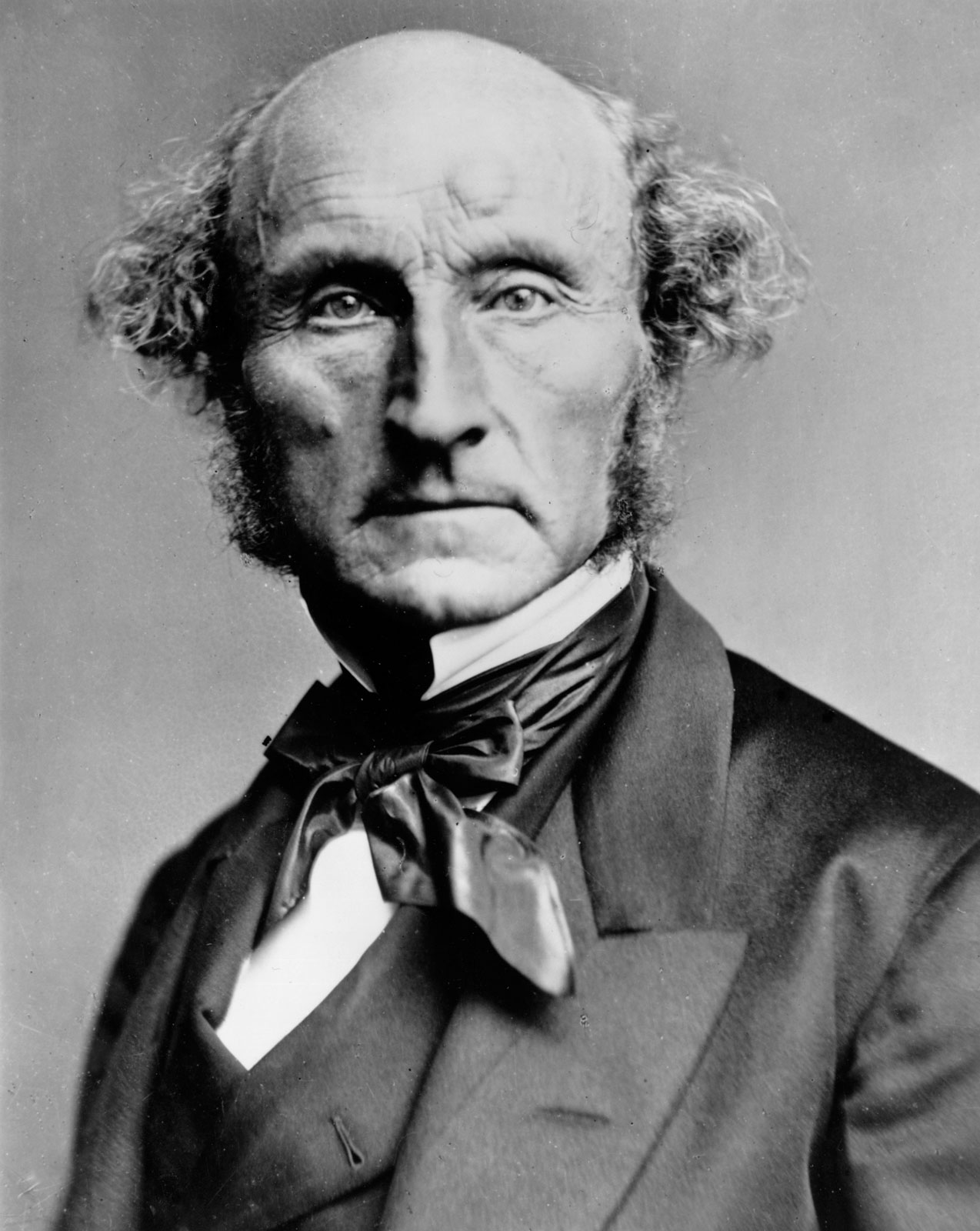
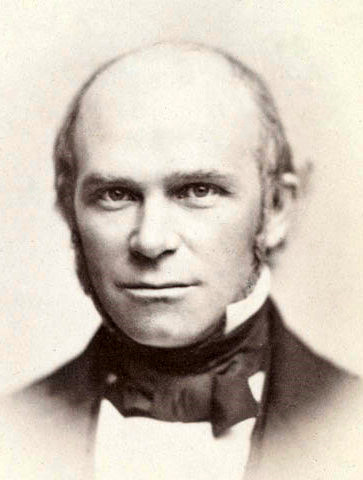
Andrew Johnson was the 17th president of the United States, serving from 1865 to 1869, after assuming the presidency following the assassination of Abraham Lincoln. Born into poverty in North Carolina, Johnson had no formal education and apprenticed as a tailor before entering politics. He rose through local and state offices in Tennessee, eventually becoming a U.S. senator. A War Democrat, he was chosen as Lincoln's vice president in 1864 to symbolize national unity at the close of the Civil War. However, his presidency was marked by significant conflict with Congress, particularly over his lenient policies towards the South and the newly freed African Americans, which led to his impeachment in 1868. He narrowly avoided removal from office by a single Senate vote. Johnson's approach to Reconstruction was controversial; he favored a quick restoration of the Southern states without protections for former slaves, which resulted in the implementation of Black Codes that restricted the rights of freedmen. His opposition to the Fourteenth Amendment and his attempts to dismiss key officials, including Secretary of War Edwin Stanton, further alienated him from the Republican majority. Despite his efforts to promote his policies through a national tour, he was unable to overcome the growing rift between the executive and legislative branches. After failing to secure the Democratic nomination for the presidency in 1868, Johnson left office in 1869, leaving a legacy marked by division and controversy in the aftermath of the Civil War.
Famous Quotes
View all 9 quotes“Kristy smiles at both of us, the kind of smile that makes Julie Andrews look like a jaded crack whore.””
“As a turning point, the Bay of Pigs deserves comparison with 9/11 - a moment that created an opening to pose first-order questions, but elicited instead an ill-conceived, reflexive response. As would Johnson, Carter, and George W. Bush, Kennedy in 1961 squandered an opportunity to rethink and reorient U.S. policy, with fateful implications.””
“God being willing and whether traitors be few or many I intend to fight them to the end.””
Books from the author



Link to this page
Add a free, dofollow link to Lex on your blog, forum, syllabus, or reading list.

<a href="https://lex-books.com/author/andrew-johnson"><img src="https://lex-books.com/badges/read-on-lex.svg" alt="Andrew Johnson on Lex" width="160" height="40"></a>[](https://lex-books.com/author/andrew-johnson)[url=https://lex-books.com/author/andrew-johnson][img]https://lex-books.com/badges/read-on-lex.svg[/img][/url]Andrew Johnson on Lex: https://lex-books.com/author/andrew-johnson